E-learning Platforms: What They Are and How They Work in India
When you hear e-learning platforms, digital systems that deliver education over the internet. Also known as online learning platforms, they are the backbone of modern education in India, helping students and teachers connect without being in the same room. These platforms aren’t just video calls or PDF downloads—they’re full systems built to manage lessons, track progress, and keep learners engaged. With schools and colleges shifting online, especially after 2020, e-learning platforms became the only way millions could keep studying. And at the heart of most of them is something called an Learning Management System, software that organizes, delivers, and tracks educational content. Also known as LMS, it’s what makes online courses work smoothly.
E-learning platforms don’t just host content—they connect people. Teachers use them to assign work, give feedback, and see who’s falling behind. Students log in to watch videos, take quizzes, and submit assignments. Parents get updates on progress. Even government programs like DIKSHA rely on these systems to reach rural students. The best platforms don’t just store lessons; they adapt to how people learn. Some track how long you spend on a topic. Others suggest extra practice if you struggle with a concept. This isn’t science fiction—it’s happening right now in classrooms across Uttar Pradesh, Tamil Nadu, and Maharashtra.
What makes these platforms different from old-school classrooms? They’re always available. You can study at 10 PM or 5 AM. You can replay a lecture until it clicks. You can take a test and get instant results. And because they’re digital, they scale. One teacher can reach 500 students instead of 50. But they’re not perfect. Poor internet, lack of devices, and no training still leave many behind. That’s why understanding how these systems work matters—not just for tech teams, but for every student, parent, and teacher trying to make sense of digital education.
Below, you’ll find clear, no-fluff explanations of how these tools actually function. From what LMS stands for to how real schools in India use them, you’ll get the facts without the jargon. No theory without practice. Just what works, what doesn’t, and why it all matters.

What is the problem of eLearning? Real Barriers in Online Education
Discover why most online courses fail. We break down the real problems with eLearning, from the digital divide to poor engagement strategies, and show you what actually works.

How Does eLearning Work? A Practical Guide to Online Learning Mechanics
Discover the mechanics behind eLearning, from LMS infrastructure to adaptive learning algorithms. Learn how data tracking, CDNs, and interactive tools create effective online education experiences.
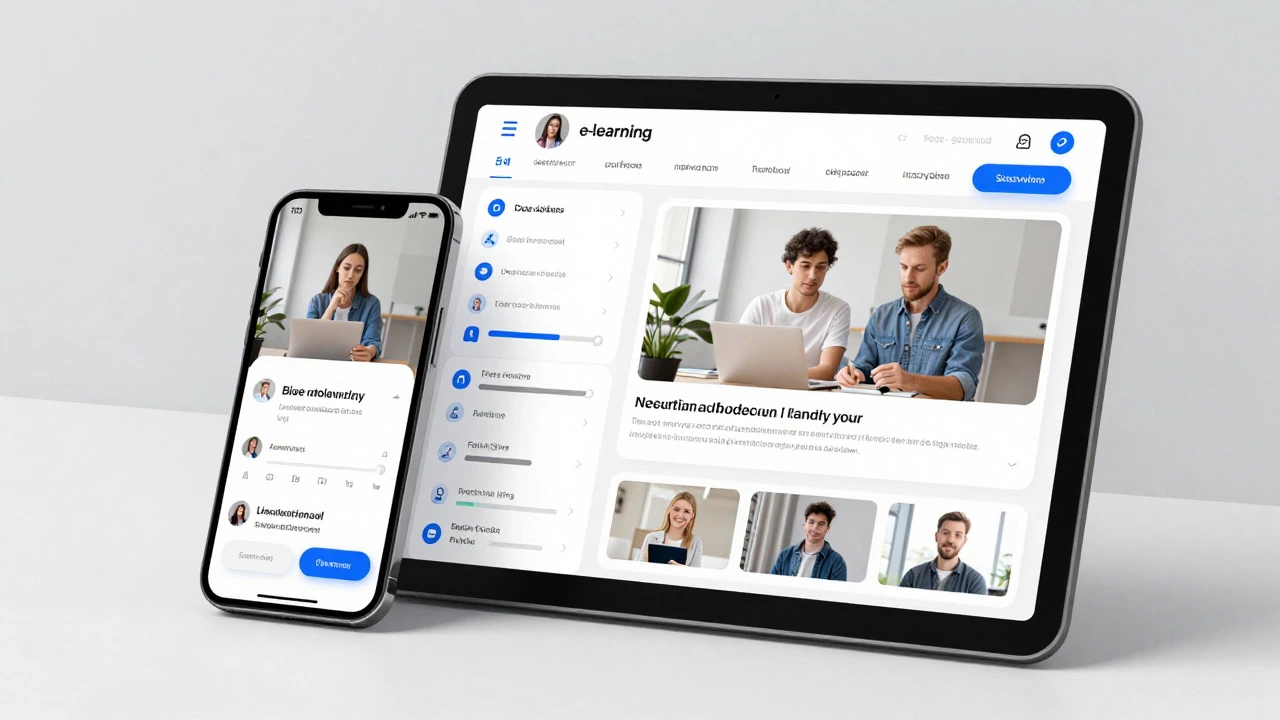
What Makes a Good Digital Platform? Essential Features for E-Learning Success
Discover the key features that define a high-quality e-learning platform in 2026. From UX and engagement to analytics and security, learn what truly drives student success.

Which Online Course Is Best for Beginners in 2026? A No-Nonsense Guide
Discover the best online courses for beginners in 2026. Compare top platforms like Coursera, Udemy, and Khan Academy to find the right fit for your learning style and budget.

Best Free Online Learning Platforms in 2026: A Practical Guide
Discover the best free online learning platforms in 2026. Compare Coursera, edX, Khan Academy, and more to find quality education without the cost.
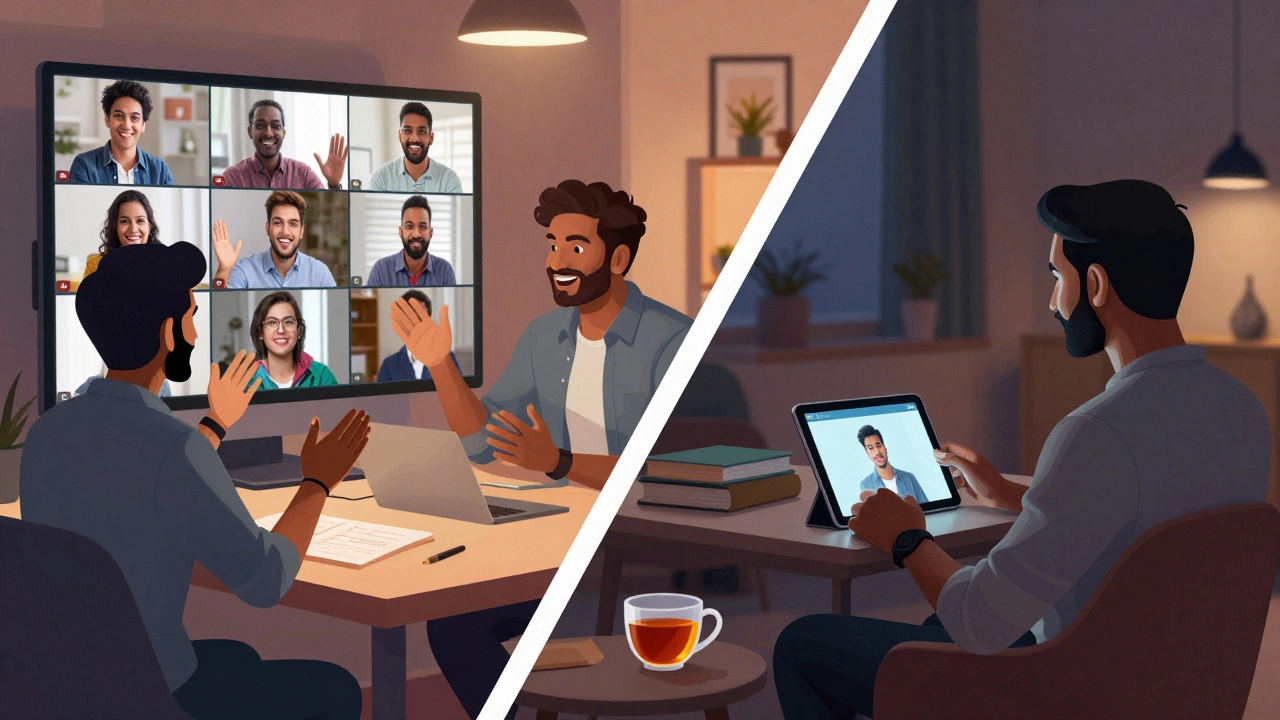
The Three Main Types of eLearning: Synchronous, Asynchronous, and Blended Explained
Explore the three main types of eLearning: synchronous, asynchronous, and blended. Understand how each format works, their pros and cons, and which one suits your learning style and schedule best.

Why Do Schools Not Use Google Classroom? The Hidden Costs and Privacy Concerns
Explore why many schools avoid Google Classroom despite its popularity. Learn about data privacy risks, lack of pedagogical flexibility, integration issues, and better LMS alternatives like Moodle and Canvas.
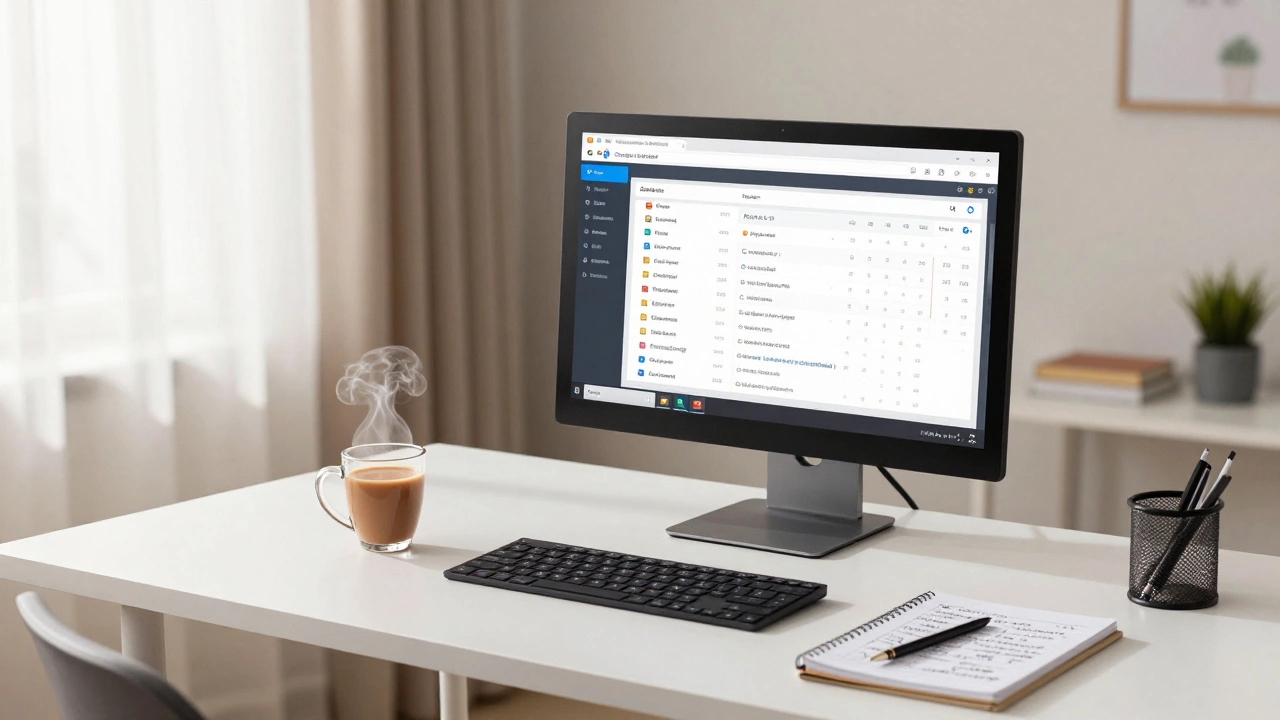
Best Free Apps for Online Teaching in 2026: A Complete Guide
Looking for the best free app for online teaching? We compare Google Classroom, Zoom, Microsoft Teams, and Canvas to help you build a professional virtual classroom.
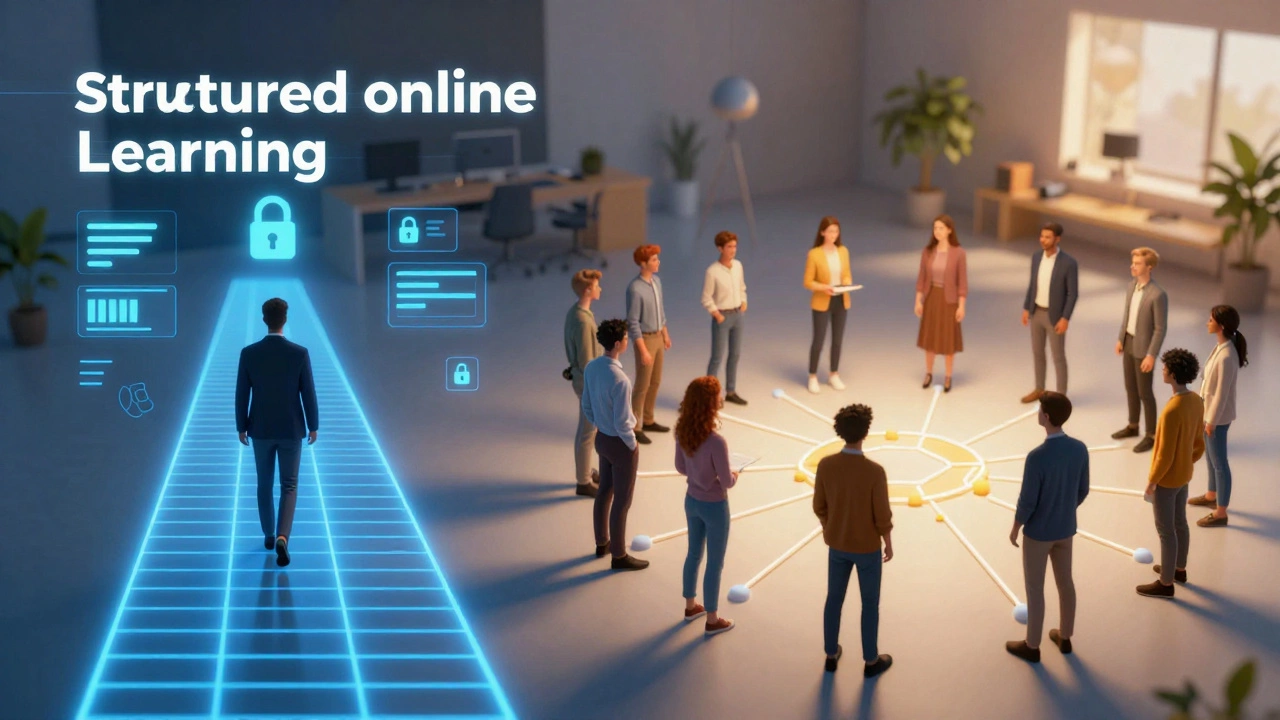
What is the difference between eLearning and online learning?
Clarify the confusion between eLearning and online learning by exploring structure, technology, and use cases. This guide compares tracking methods, platforms, and delivery styles.
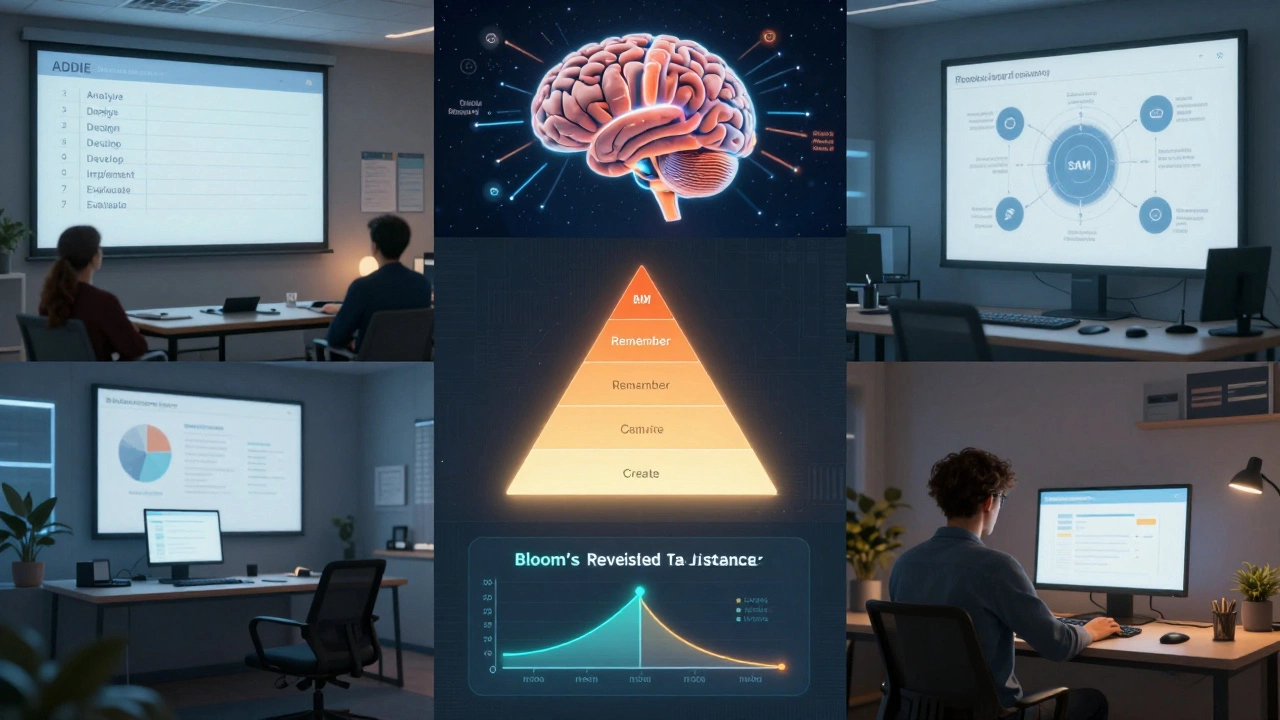
What Are the 5 eLearning Models Used Today?
Learn the five key eLearning models used today-ADDIE, SAM, Bloom’s Taxonomy, Gagne’s Events, and Moore’s Transactional Distance-and how to pick the right one for your learners. No fluff, just practical design insights.
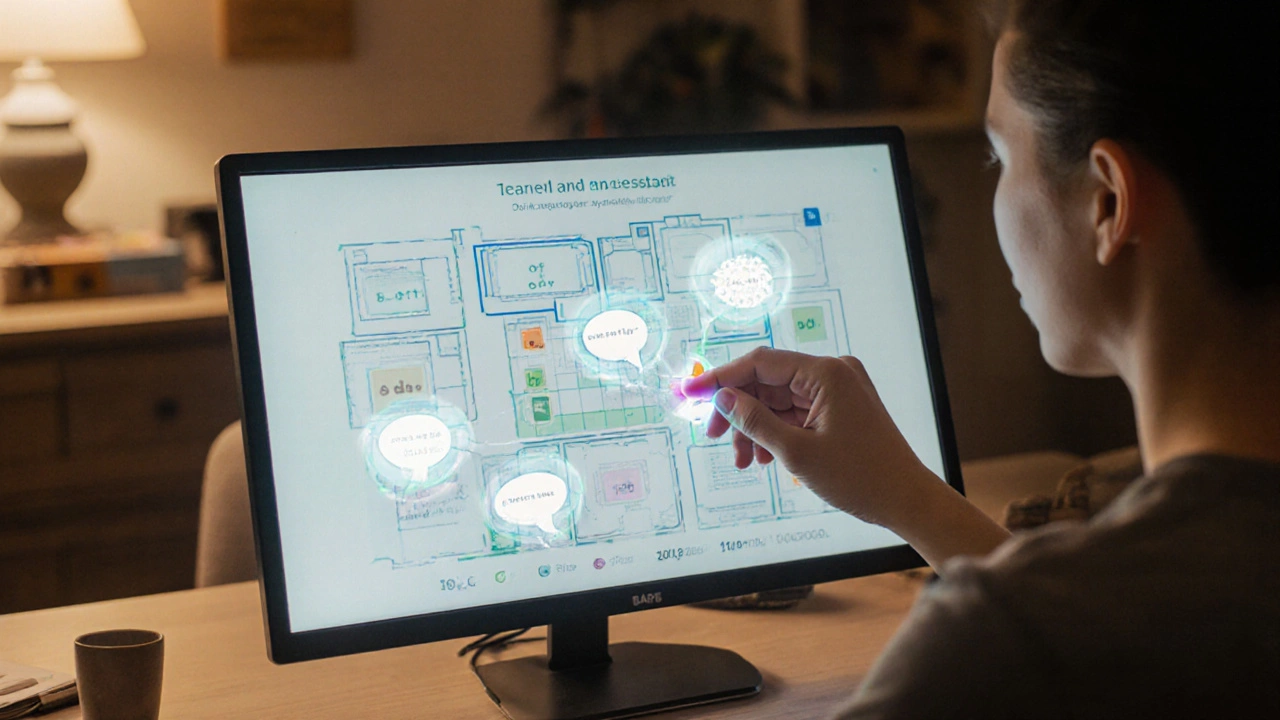
How to Create an Interactive eLearning Course That Actually Keeps Learners Engaged
Learn how to build interactive eLearning that actually engages learners using real choices, feedback, and micro-interactions-not just videos and quizzes. Start with simple tools and focus on what learners do, not just what they see.

What Are the 4 Stages of eLearning? A Simple Breakdown for Teachers and Learners
Learn the four essential stages of eLearning-Analysis, Design, Development, and Implementation-that turn ordinary online courses into effective learning experiences. No fluff, just what works.