Education in India: Understanding Schools, Degrees, and Learning Paths
When we talk about education, the system that shapes how people learn from school to career. Also known as learning systems, it includes everything from classroom teaching to online courses and high-stakes exams. In India, education isn’t one thing—it’s a mix of old traditions, modern tech, and intense competition. Whether you’re a parent choosing a school board, a student picking a degree, or someone learning online, the system affects your path every step of the way.
One big piece of this puzzle is the CBSE, the national school board that millions of Indian students follow. It’s known for structured syllabi and standardized exams, making it a go-to for families aiming for engineering or medical careers. But it’s not the only option—some parents compare it to the American syllabus, wondering which one is truly easier for kids. Then there’s eLearning, the process of learning through digital platforms. It’s not just about watching videos; it follows clear phases like analysis, design, and evaluation to make sure learning actually sticks. And when it comes to higher education, choices like an MBA, a business-focused graduate degree or a specialized Master’s, can change your career direction completely. Meanwhile, exams like the Bar Exam, a brutal licensing test for lawyers in the U.S.—though not in India—show how high stakes can make any test feel impossible. In India, competitive exams like JEE or NEET carry similar pressure, and they’re built on the same idea: one test deciding your future.
What really makes learning hard—or easy?
It’s not just about how much you study. It’s about structure, support, and what’s expected of you. CBSE pushes memorization and exam performance. The American system values critical thinking and flexibility. Online courses let you learn at your own pace, but only if you stay disciplined. An MBA teaches leadership through case studies, while a Master’s in physics dives deep into theory. And then there are the outliers—degrees that sound wild but are growing fast, or coders who start at 15 or 55. Age doesn’t lock you out. Difficulty isn’t fixed. What matters is matching the system to your goals. If you want low stress, some degrees are built for that. If you want to master the hardest math problems, you’ll need patience, not just talent. The tools are out there—online platforms, coaching, self-study guides—but knowing which one fits your life is the real challenge.
Below, you’ll find real comparisons, honest reviews, and straight answers about what works and what doesn’t in Indian education. No fluff. No hype. Just what you need to make smarter choices—whether you’re picking a school, a degree, or the best place to learn online.

Can Americans Get Free College in Europe? Here’s What Actually Works
Americans can study for free at public universities in Germany, Norway, Finland, and other European countries. Learn the real costs, how to apply, language requirements, and what degrees are available - without student debt.
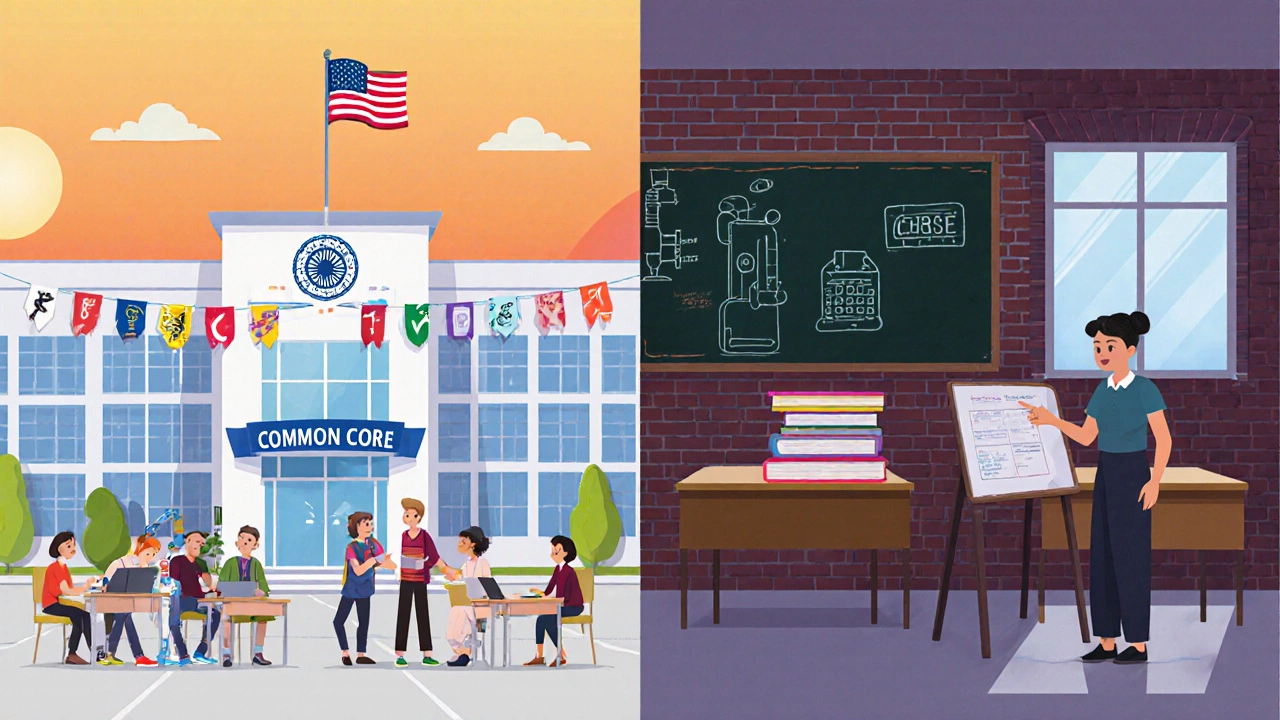
American syllabus vs CBSE: Which is easier?
Compare the American syllabus with CBSE: curriculum focus, assessments, flexibility, workload and which one feels easier for students.

Which Degree Is the Easiest? A Straightforward Guide for 2025
Discover which university degrees are considered the easiest in 2025, why they’re low‑stress, and how to pick one that fits your career goals and lifestyle.

The 5 Phases of eLearning Explained
Learn the five essential phases of eLearning-Analysis, Design, Development, Implementation, and Evaluation-and how they work together to create effective online courses.

What Is the Hardest Math? Unsolved Problems, Why They’re Hard, and How to Start (2025)
What counts as the hardest math? Clear answers on the toughest fields and problems, why they’re hard, and how you can actually start learning them in 2025.

Coolest Degrees: Unique and Exciting Paths in Higher Education
Explore the coolest degrees you can earn today, packed with wild facts, real-life stories, and practical tips for future-ready education adventures.

Best Online Course Sites for Learning in 2025: Top Platforms Reviewed
Discover the best site for online courses in 2025. Get personal tips, facts, detailed comparisons and honest insights to pick the top online learning platform.

What Makes the Bar Exam the Toughest in America?
The Bar Exam is widely regarded as one of the most challenging exams in America. Aspiring lawyers must pass this test to practice law, facing a grueling process filled with multiple-choice questions, essays, and performance tests. This article explores the elements that make it so tough and offers insights into how to succeed. We delve into exam structure, preparation strategies, and the high stakes involved. Whether you're considering law as a career or just curious, here's an in-depth look.

What Makes Some Exams Harder Than Others?
Understanding which exams are the toughest to pass can be daunting due to various factors like complexity, competition, and preparation required. This article delves into some of the world's most challenging competitive exams, highlighting their unique characteristics and why they are perceived as difficult. Readers will find insights and tips that could aid their preparation. If you've ever wondered what makes an exam particularly tough, this article provides some interesting perspectives.

Understanding the Age Spectrum of Coders: A Comprehensive Guide
Exploring the age demographics of the coding world, this article delves into how age influences the coding industry. From young prodigies to seasoned veterans, discover the varied age profiles within this dynamic field. Gain insights on how different age groups approach coding and what this means for aspiring learners. Whether it's a teenager embarking on their first coding project or a retiree seeking a new hobby, the world of coding offers opportunities for all.

MBA vs Masters: Choosing Your Path in Advanced Education
Aspiring to elevate your career? Understanding the differences between an MBA and a Masters degree can guide you toward the right choice. Explore how an MBA focuses on business and management skills, while a Masters provides specialization in a specific field. Discover which path aligns with your professional goals and personal interests. We'll delve into course structure, career opportunities, and investment in education.

Choosing the Best Educational Board for Children's Future: An Insight into CBSE
Selecting the right educational board for your children is a significant decision impacting their future. This article delves into the benefits of the CBSE syllabus, comparing it with other educational boards, and providing tips for parents to make an informed choice. By examining different facets of CBSE education, including curriculum structure, exam patterns, and university recognition, parents can better understand how it aligns with their child's learning style and future aspirations.