Coding Classes: Learn to Code with Real Skills, No Degree Needed
When you hear coding classes, structured learning environments where people build programming skills using real projects and feedback. Also known as programming courses, they’re no longer just for computer science majors—anyone with curiosity and persistence can join. You don’t need a degree, a fancy university, or even a background in math. What you need is access to the right tools, a clear goal, and the willingness to build something real.
Most coding classes, structured learning environments where people build programming skills using real projects and feedback. Also known as programming courses, they’re no longer just for computer science majors—anyone with curiosity and persistence can join. focus on Python, a beginner-friendly programming language used for web development, data analysis, and automation or JavaScript, the language that powers interactive websites and apps. These aren’t just theory—they’re tools you use to build websites, automate tasks, or create apps. Many people start in coding classes, structured learning environments where people build programming skills using real projects and feedback. Also known as programming courses, they’re no longer just for computer science majors—anyone with curiosity and persistence can join. at home, using free platforms like YouTube, freeCodeCamp, or Google’s Skillshop. The key isn’t where you learn—it’s what you build while you learn.
And it works. In 2025, companies hire self-taught coders, people who learned programming outside formal education, often through online resources and personal projects every day—not because they’re lucky, but because they show proof of skill. A portfolio with five real projects beats a diploma with no code behind it. coding jobs, paid roles where individuals write, test, and maintain software code pay well, with entry-level salaries starting above $65,000 in many countries. You don’t need to be a genius. You just need to solve one problem, then another, and keep going.
Age doesn’t matter either. People over 50 are learning to code, switching careers, and landing jobs—not because they’re trying to be cool, but because the skills are useful, in demand, and learnable on their own time. Whether you’re a parent, a retiree, or a student stuck in a subject you hate, coding gives you control. You can build tools for your small business. You can automate boring tasks at your job. You can create apps that solve problems you see every day.
What you’ll find below isn’t a list of random articles. It’s a collection of real stories, hard data, and practical guides from people who’ve been there. You’ll see how many students are in CBSE, whether self-taught coders get hired, what salaries look like in 2025, and why Python and JavaScript are the best places to start. You’ll also find out why learning at home works, how to stay motivated, and what employers actually look for. No fluff. No hype. Just what you need to move from "I want to learn" to "I can do this."
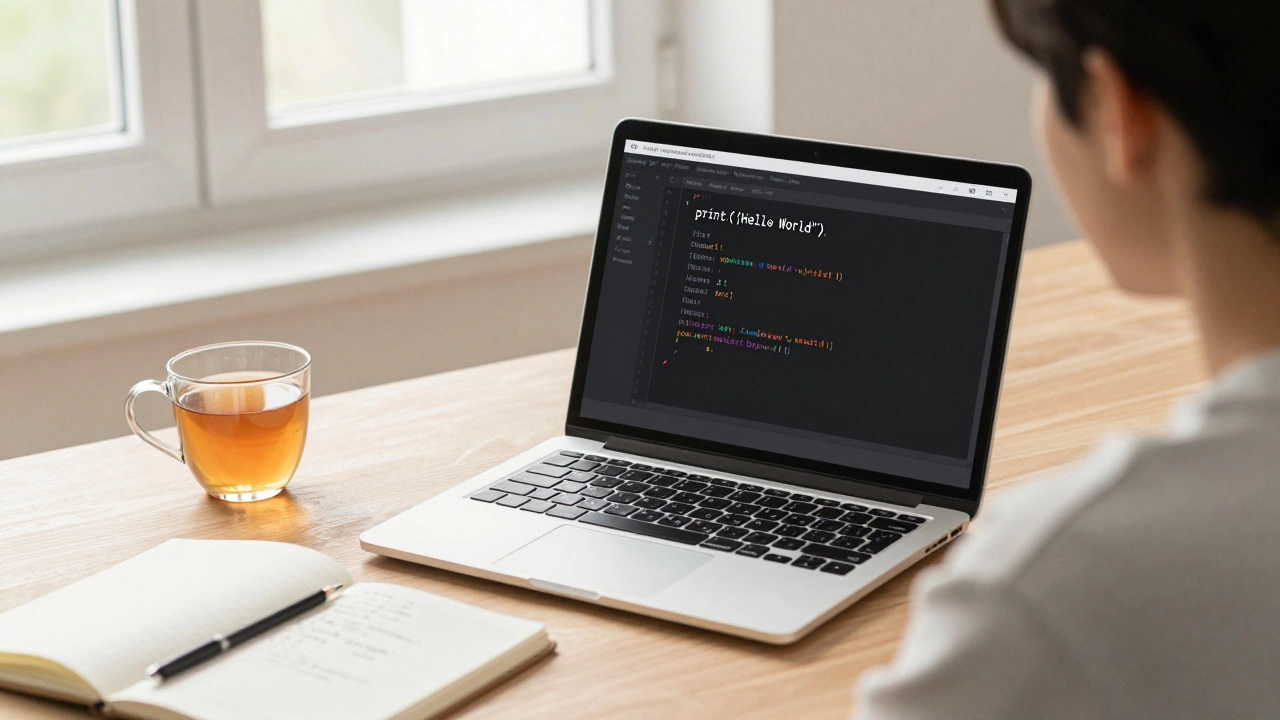
How to Start Coding for Beginners: A Simple Step-by-Step Guide
Learn how to start coding as a beginner with practical steps, free tools, and real projects. No experience needed-just curiosity and consistency.

Can Beginner Coders Make Money? The Real Deal in 2025
Beginner coders are entering a world full of opportunities, but many wonder if they can actually make cash with their limited skills. This article shares real ways new coders today score their first paid gigs, how much money to expect, and common mistakes to dodge. You'll also get practical tips on how to kickstart your income as a coding newbie. Expect straightforward examples, even if your only project is automating your dog's feeding schedule. Get the unfiltered truth about earning money as you learn to code.

Does Coding Require Math? Debunking the Myth for Beginners
A lot of people worry that coding involves loads of advanced math, but the truth is less scary than you'd think. This article looks at whether math is really a must for coding, and where it actually comes in handy. We'll break down what coding uses from math, what skills are more important, and how kids and adults can succeed in coding even if numbers aren't their favorite thing. If you're thinking about taking a coding class but worried about the math part, you'll get some real answers here.

Best Coding Platforms for Beginners: A Practical Guide
Choosing the right coding platform can be a game-changer for beginners eager to dive into the world of programming. This article explores the most beginner-friendly coding platforms, highlighting their unique offerings and tools. By comparing features, support systems, and user experiences, we aim to guide aspiring coders towards platforms that not only teach but inspire creativity. Embarking on this coding journey can be exciting, and having the right resources plays a crucial role. Let's explore which platforms make learning enjoyable and effective.

Decoding the Difference: Coding vs. Programming
Unraveling the mystery behind coding and programming, this article delves into their unique roles in technology. While often used interchangeably, coding and programming have distinct differences crucial for anyone keen on technology to understand. The article explains the fundamental tasks associated with each and offers practical insights, making it perfect for those embarking on a journey in the tech world.

Understanding the Age Spectrum of Coders: A Comprehensive Guide
Exploring the age demographics of the coding world, this article delves into how age influences the coding industry. From young prodigies to seasoned veterans, discover the varied age profiles within this dynamic field. Gain insights on how different age groups approach coding and what this means for aspiring learners. Whether it's a teenager embarking on their first coding project or a retiree seeking a new hobby, the world of coding offers opportunities for all.