Education Technology in India: Tools, Trends, and Real Classroom Impact
When we talk about education technology, the use of digital tools to improve teaching and learning. Also known as edtech, it’s no longer just about videos and quizzes—it’s about how students actually learn, engage, and succeed in a world where screens are part of daily life. In India, this isn’t theoretical. Millions of students are using apps, platforms, and digital resources to prepare for NEET, JEE, or even switch careers through coding. But not all tech works the same. Some tools keep learners hooked. Others leave them bored—or worse, left behind.
eLearning platforms, digital systems designed to deliver structured courses online like Google Classroom and Skillshop are everywhere now. But here’s the catch: just putting content online doesn’t mean it’s learned. The real winners? Platforms that let learners make choices, get instant feedback, and build real projects—not just watch lectures. That’s what makes interactive eLearning, courses built around learner action, not passive viewing so powerful. It’s not about flashy graphics. It’s about asking the learner to do something, then helping them improve. And that’s exactly what works for self-taught coders, NEET aspirants, and even professionals over 50 learning new skills.
But tech doesn’t fix everything. online learning, education delivered remotely through digital tools still struggles with isolation, uneven internet access, and exams that don’t match real skills. That’s why so many posts here dig into the hidden downsides—like employer skepticism or lack of hands-on training. The best edtech doesn’t pretend to replace teachers. It gives them better tools. It helps students build portfolios, not just certificates. It lets someone in a small town learn Python the same way someone in Delhi does—by doing, failing, and trying again.
What you’ll find below isn’t a list of shiny apps. It’s a real look at what’s happening on the ground. From how many CBSE students are using digital tools to whether coding bootcamps actually get people hired. You’ll see how the four stages of eLearning play out in Indian classrooms, why some students quit online courses, and how the fastest certifications are changing career paths. This isn’t about hype. It’s about what actually moves the needle—for students, teachers, and anyone trying to learn in a system that’s still catching up to the digital age.
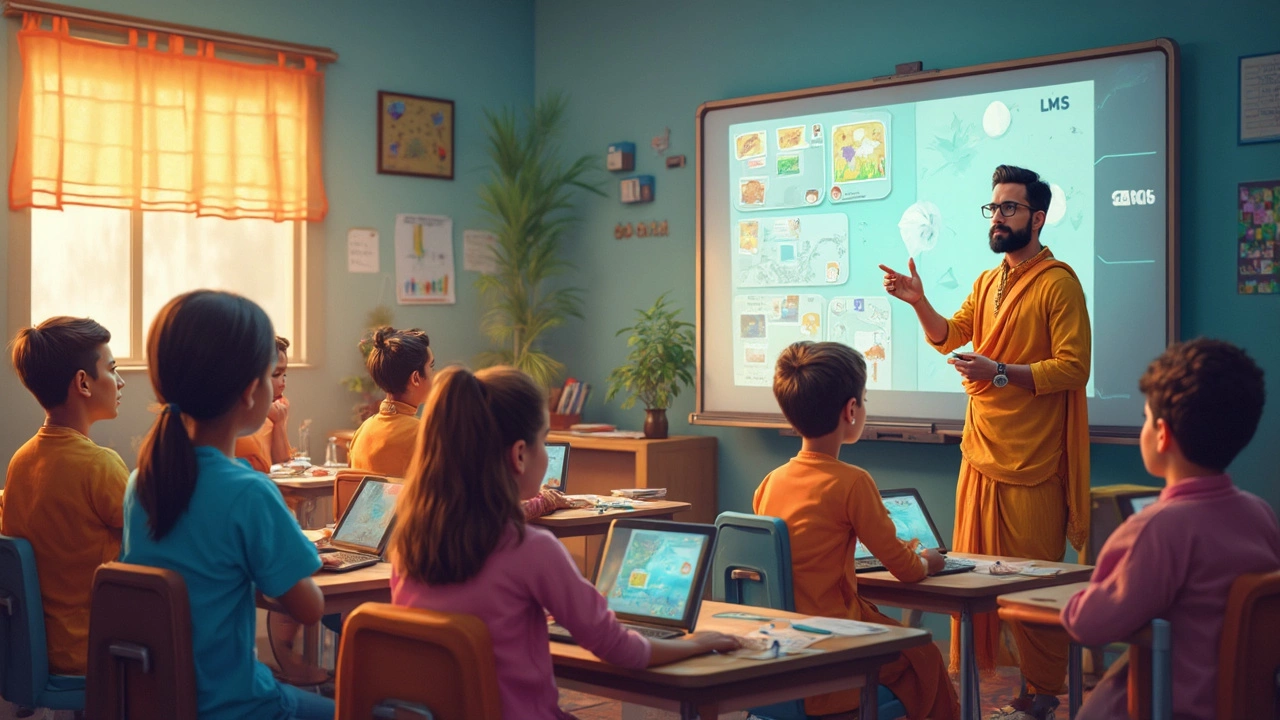
Understanding LMS and SCORM: What's the Difference?
LMS (Learning Management Systems) and SCORM (Sharable Content Object Reference Model) are key components in the e-learning ecosystem. Grasping the difference between them is crucial for anyone involved in online education. While an LMS manages the delivery and tracking of educational content, SCORM ensures the content can be reused across various platforms. This article explores how these technologies complement each other, enhancing learning experiences everywhere.