Exam Preparation: Strategies That Actually Work for Indian Students
When it comes to exam preparation, the systematic process of building knowledge, managing time, and reducing anxiety before a high-stakes test. Also known as test readiness, it’s not just about memorizing facts—it’s about building habits that stick under pressure. In India, where exams like NEET, IIT JEE, and CBSE board tests decide futures, preparation isn’t optional. It’s a full-time job that starts years before the actual exam day.
Successful NEET preparation, targeted study for the National Eligibility cum Entrance Test that opens doors to medical colleges isn’t about coaching institute fame. It’s about mastering high-yield topics like Human Physiology and Genetics, using active recall and spaced repetition to lock in facts. Meanwhile, IIT JEE coaching, structured training for India’s toughest engineering entrance exam doesn’t guarantee success—only consistent practice with real problems does. Top performers don’t just attend classes; they solve past papers until the patterns become second nature.
And it’s not just about the big exams. CBSE students, over 2.5 crore learners following the Central Board of Secondary Education curriculum face pressure too—just in different ways. Their exams are more about understanding than rote learning, and many are now turning to interactive eLearning tools to fill gaps left by traditional classrooms. The real shift? From passive listening to active doing. Whether you’re studying at home, in a coaching center, or online, what matters is how much you’re testing yourself, not how many hours you sit with a book.
What’s missing from most prep plans? Sleep, breaks, and mental health. No amount of flashcards fixes burnout. The best prep strategies include downtime—because your brain needs it to consolidate what you’ve learned. And if you’re preparing for multiple exams at once, like NEET and CBSE boards, you’re not studying two separate things—you’re building one skill: learning how to learn under pressure.
Below, you’ll find real stories, data-backed strategies, and no-fluff guides from students and teachers who’ve been there. Whether you’re starting from scratch or fine-tuning your last-month plan, there’s something here that’ll help you move past stress and into control.

Best Time to Read for Competitive Exams: What Actually Works?
This article breaks down the real best times to read for competitive exams, busting myths and revealing what truly helps you remember more. You’ll learn how your brain’s natural rhythms affect study sessions and get clear, actionable tips to make your hours actually count. Plus, find out why cramming late at night rarely works, and when to sneak in breaks for top results. If you want an edge that feels easy and natural, not forced, this is all you need. The advice is simple, research-backed, and ready to put to use today.

Unraveling the Competitive Spirit in Exam Personalities
Competitive exams demand a unique blend of traits, but which personality carries the strongest competitive spirit? This article delves into different personality types and their approach to competition, providing insights into how certain characteristics can enhance exam success. Understanding these traits can help individuals maximize their strengths and develop strategies to perform better. Learn about key personalities with a natural drive and how to channel their competitive edge effectively.
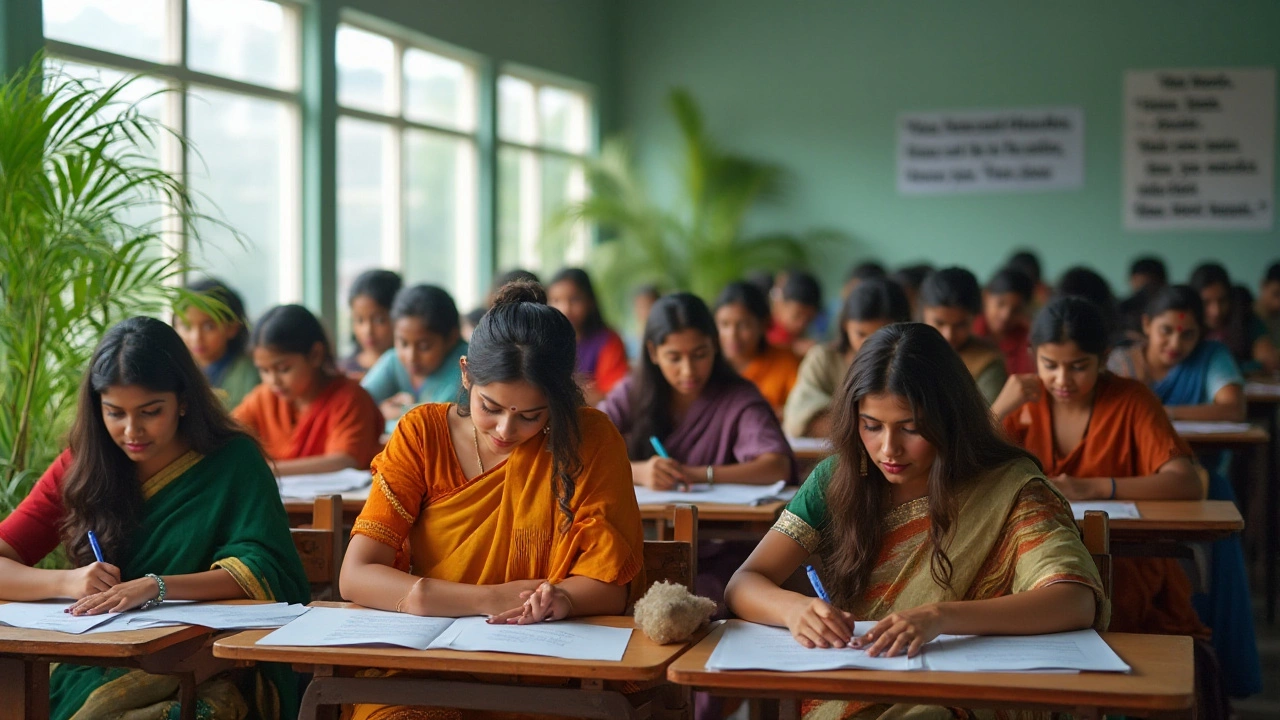
Understanding the Basics of Open Competitive Examinations: A Guide to Success
An open competitive examination is a process used to select candidates for a variety of positions based on merit. These exams assess the knowledge and skills of applicants in a fair and open manner, allowing all eligible individuals to participate. In this article, we explore what an open competitive exam entails, how candidates can best prepare, and the benefits of participating in such exams. We also provide insights into the structure of these exams and what candidates can expect during the examination process.