Online Education: What Works, What Doesn’t, and Who It’s Really For
When we talk about online education, a system of learning delivered through digital platforms without requiring physical classroom attendance. Also known as eLearning, it’s become the default choice for millions—from students in rural India preparing for NEET to professionals over 50 switching careers to code. But here’s the truth: not all online education is created equal. Some courses keep learners engaged for weeks. Others feel like watching a slideshow with background noise. The difference isn’t just the platform—it’s the design, the intent, and whether the learner actually gets to do something, not just watch.
What makes online education work? It’s not the fancy video production or the number of quizzes. It’s interactive eLearning, courses built around real choices, feedback loops, and hands-on practice. Think of it like learning to drive: watching a video about shifting gears won’t get you on the road. You need to practice, make mistakes, and get corrected. That’s what the best online courses do—they force you to act. And when it fails? It’s usually because of distance education, a broader term that includes any learning done remotely, often without structure or support. Isolation, tech issues, and lack of accountability turn good intentions into dropped courses.
Online education doesn’t replace teachers—it just changes their role. The best platforms don’t just deliver content; they build communities, give timely feedback, and let learners prove their skills through projects, not just exams. That’s why self-taught coders who build real portfolios get hired, while others who just watched videos don’t. It’s also why NEET toppers use online coaching not as a replacement for study, but as a tool to focus, track progress, and test themselves daily.
And yes, it works for people of all ages. A 60-year-old learning Python isn’t an anomaly—she’s part of a quiet revolution. Online education lets you learn at your pace, on your schedule, with tools that adapt to your needs. But it demands something most traditional schools don’t: discipline, curiosity, and the willingness to fail and try again.
Below, you’ll find real stories, hard data, and practical breakdowns of what online education actually looks like on the ground—in India, in homes, in coding bootcamps, and in exam prep centers. No theory. No fluff. Just what helps people learn, and what makes them quit.
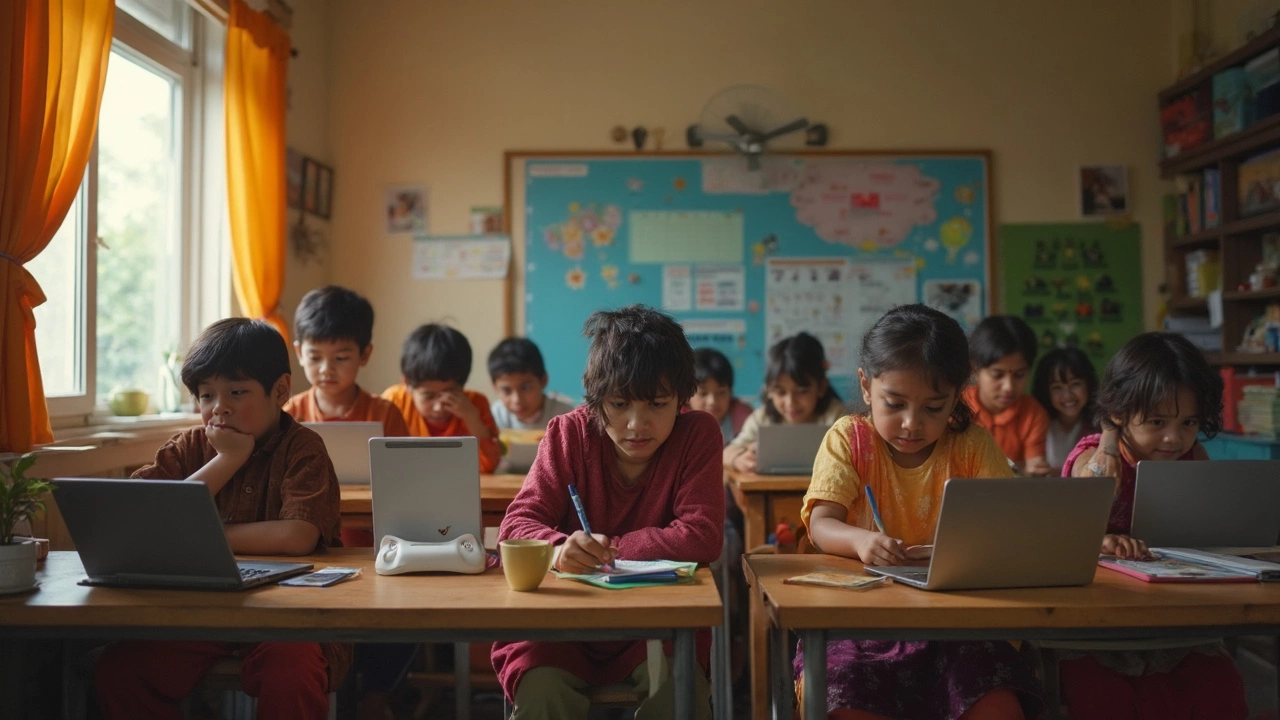
Biggest Problem with E-Learning: Why Engagement Takes the Hit
What's really holding e-learning back? This article looks past the usual tech complaints to zero in on the struggle to keep students engaged. You'll see how this engages (or bores) learners, why it’s more than just a screen issue, and what can actually make online learning stick. There are even some practical tips if you’re stuck staring at another Zoom class or online course. Get ready for honest insight with zero sugarcoating.
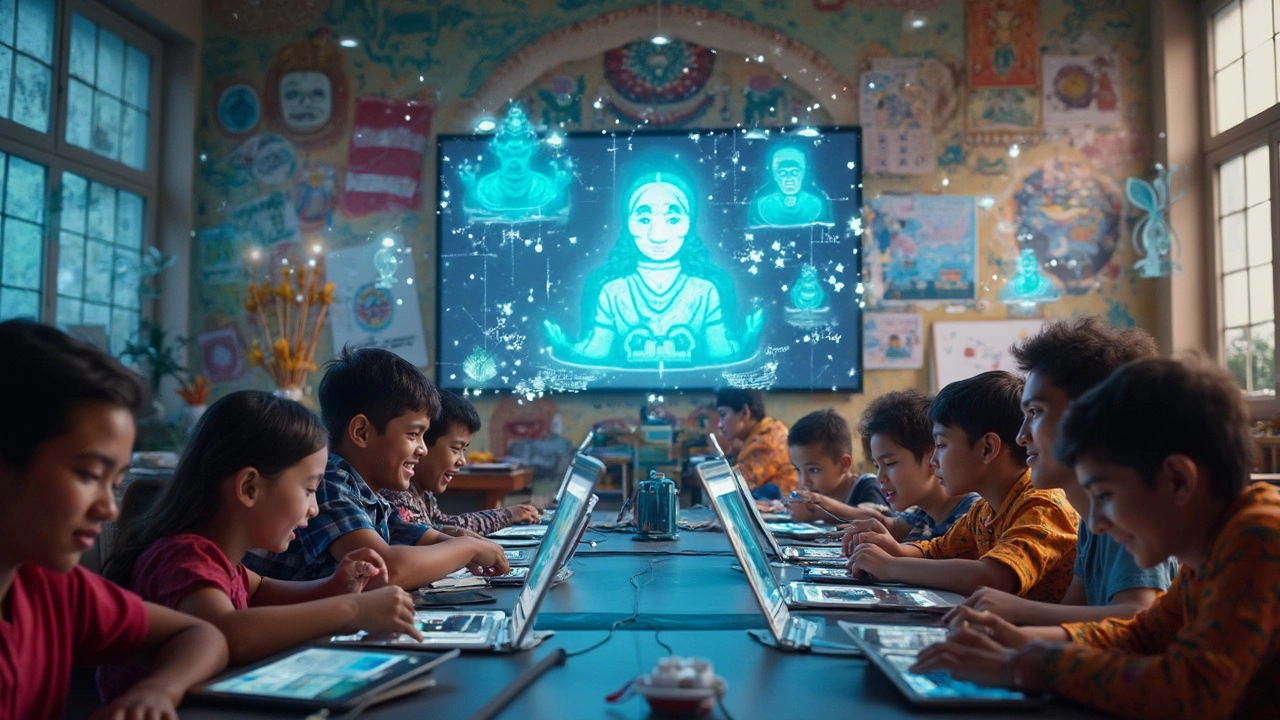
What Does LMS Stand For In E-Learning?
LMS stands for Learning Management System, a term crucial in online education. This powerful tool helps create, manage, and deliver content in a virtual learning environment. With e-learning growing, understanding LMS is essential for creating effective courses. Discover the functions, benefits, and real-world applications of LMS in modern education.
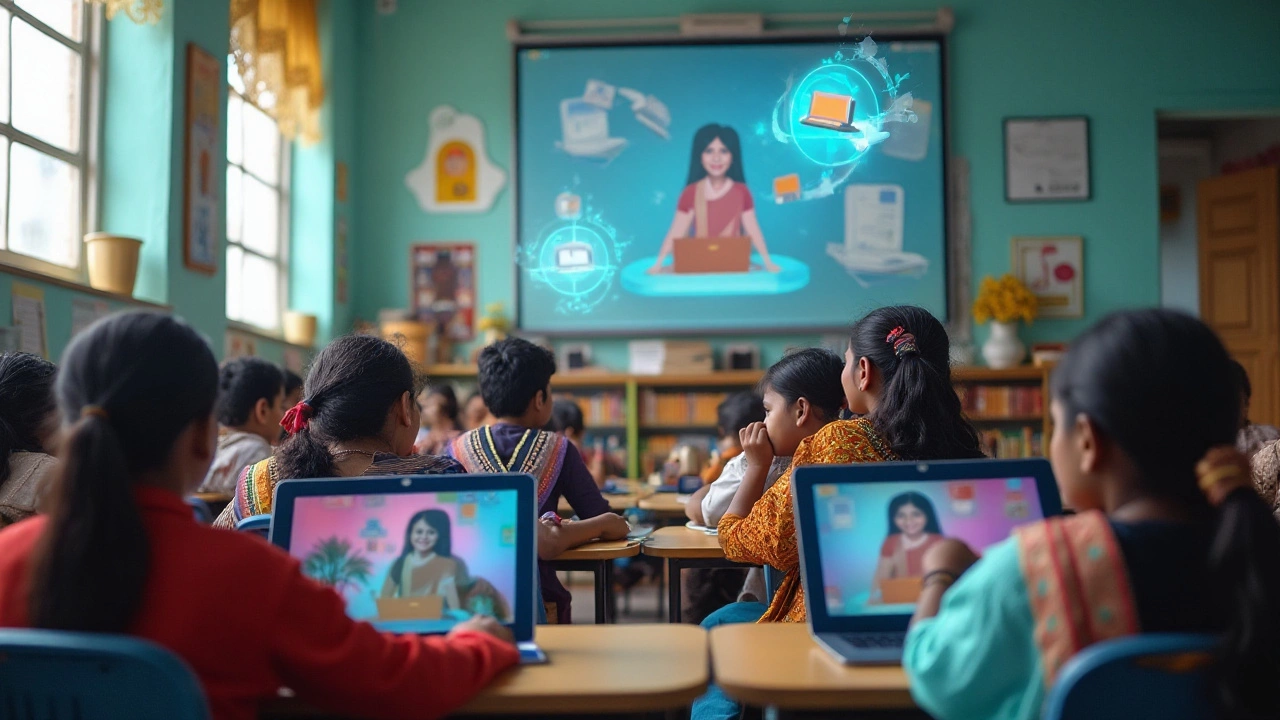
Exploring the Mechanics of Distance Learning in 2025
Distance learning has evolved rapidly and provides a flexible education solution for students worldwide in 2025. This article delves into the structure and functionality of distance education, presenting insights and tips on how students and educators can maximize the benefits. With interactive platforms and digital resources, distance learning has reshaped traditional education. Discover how technology is bridging the gap between learners and knowledge.

Understanding E-Learning Platforms: The Future of Education
An e-platform serves as a digital gateway to a world of learning opportunities. It enables learners from all around the globe to access educational resources, classes, and tools from the comfort of their own space. In 2025, these platforms have become integral to how students and educators interact, breaking geographical barriers and accommodating diverse learning styles. Beyond just traditional courses, e-learning platforms offer innovative features such as interactive simulations, live sessions, and personalized learning pathways. Whether you are a student or someone seeking personal development, understanding these platforms can open up myriad possibilities.