Virtual Classrooms: How Online Learning Works in India Today
When you think of a virtual classroom, a digital space where teachers and students interact in real time using video, chat, and shared tools. Also known as online learning environments, it’s become the default way millions of Indian students attend school or prep for exams—whether they’re in a Mumbai apartment or a village with spotty internet. It’s not just Zoom calls with a whiteboard. A real virtual classroom includes quizzes that auto-grade, breakout rooms for group work, interactive whiteboards, and assignments tracked in real time. It’s the backbone of everything from NEET prep to coding bootcamps to adult learners trying to switch careers.
What makes virtual classrooms work—or fail—in India? It’s not just the tech. It’s access. Many students still struggle with slow connections, shared devices, or no quiet space to log in. Teachers, meanwhile, are often thrown into these platforms without training. That’s why some virtual classrooms feel like recorded lectures with a chat box, while others feel alive—like a real class. The difference? eLearning platforms, digital systems designed to support structured, interactive learning outside physical classrooms like Google Classroom or Moodle matter, but only if they’re used well. The best ones let students make choices, get instant feedback, and build projects—not just watch videos. And it’s not just for kids. People over 50 are learning to code in virtual classrooms. Self-taught coders use them to build portfolios. NEET aspirants join live doubt sessions. Even government job applicants take mock interviews online.
Here’s the truth: virtual classrooms aren’t replacing schools. They’re exposing how broken parts of the system really are. If a student can’t join because their phone can’t handle video, that’s not a tech problem—it’s an equity problem. If a teacher has to record 10 hours of lectures because they can’t manage live interaction, that’s not innovation—it’s burnout. But when done right, virtual classrooms give students in small towns the same access to top coaches as those in Delhi. They let you learn at your own pace, revisit tough topics, and connect with peers across the country. That’s powerful. And that’s why the posts below dig into what actually works: how to design a course that keeps people engaged, why some platforms lock you in, how to study effectively without a physical classroom, and what’s changing in 2025 for learners across India.
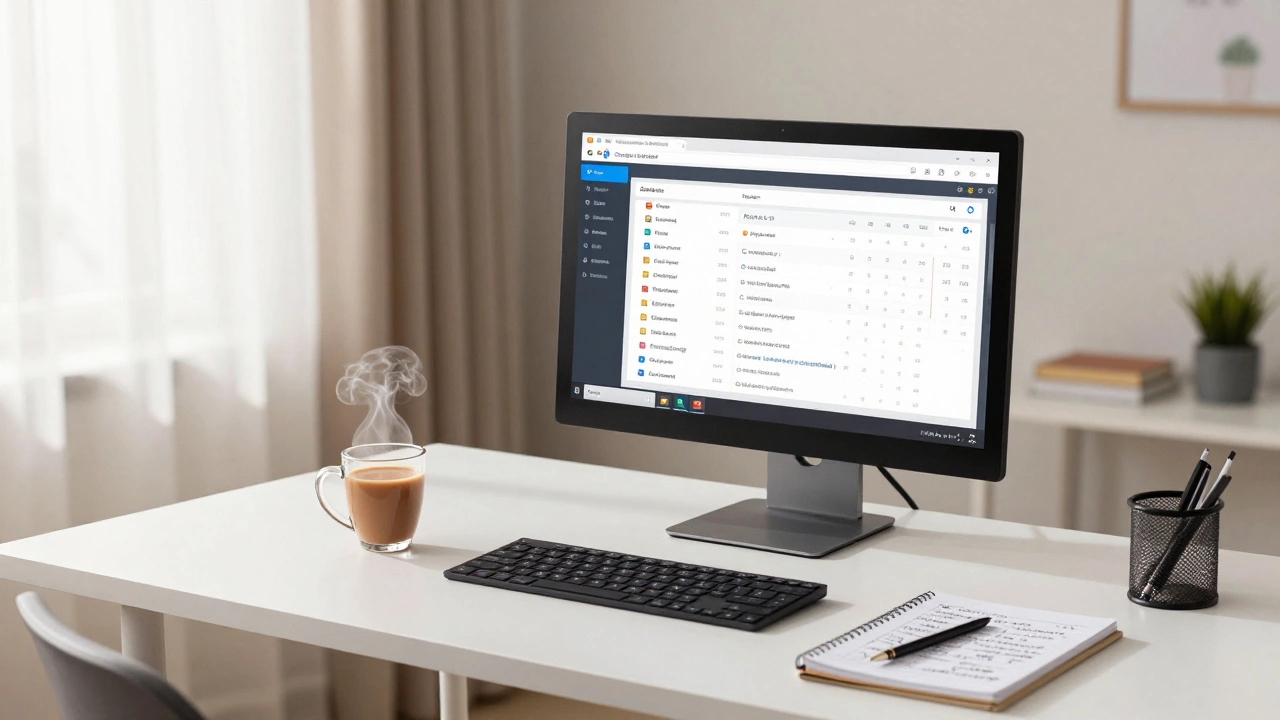
Best Free Apps for Online Teaching in 2026: A Complete Guide
Looking for the best free app for online teaching? We compare Google Classroom, Zoom, Microsoft Teams, and Canvas to help you build a professional virtual classroom.
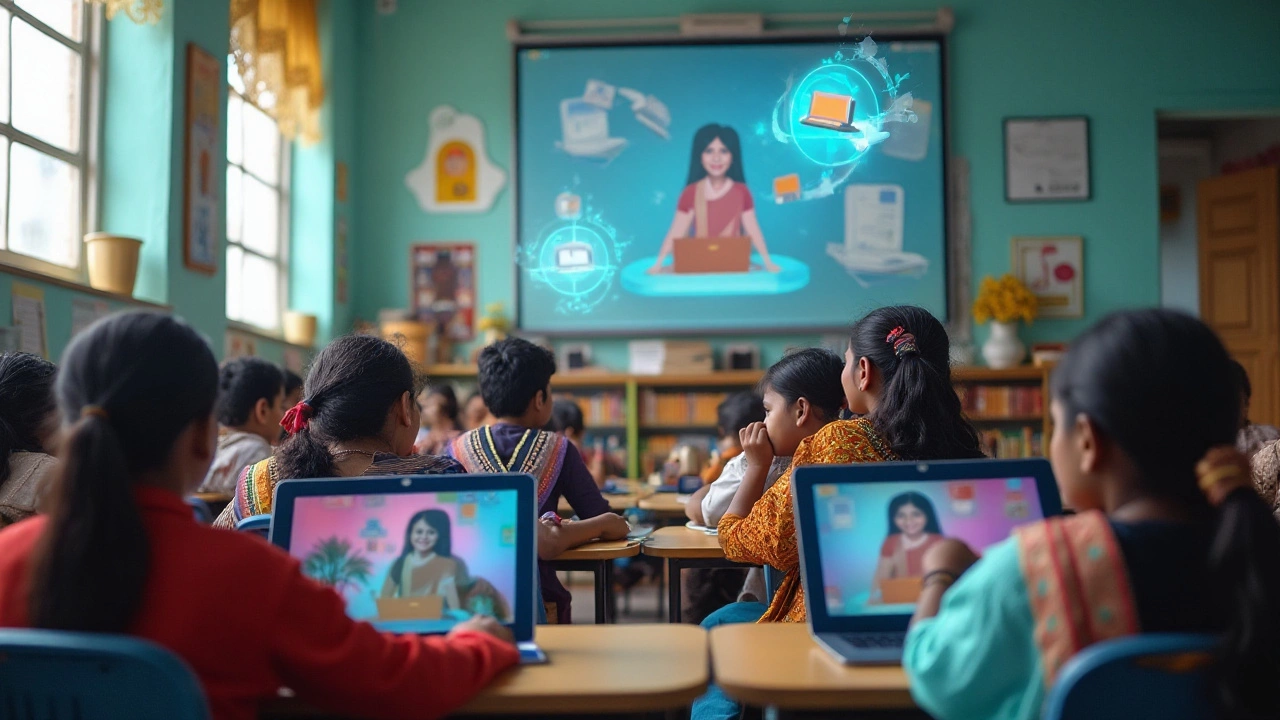
Exploring the Mechanics of Distance Learning in 2025
Distance learning has evolved rapidly and provides a flexible education solution for students worldwide in 2025. This article delves into the structure and functionality of distance education, presenting insights and tips on how students and educators can maximize the benefits. With interactive platforms and digital resources, distance learning has reshaped traditional education. Discover how technology is bridging the gap between learners and knowledge.