Coding Classes: What They Really Cover and Who They’re For
When you sign up for coding classes, structured learning programs designed to teach programming skills through guided lessons, projects, and feedback. Also known as programming courses, they range from free online modules to expensive bootcamps—but what they all share is the goal of turning beginners into capable coders. The biggest myth? You need a degree, a math background, or to be young to succeed. Real data shows people over 50, career changers with no tech experience, and self-taught learners are landing jobs because they built real things—not because they checked a box.
Not all coding classes, structured learning programs designed to teach programming skills through guided lessons, projects, and feedback. Also known as programming courses, they range from free online modules to expensive bootcamps—but what they all share is the goal of turning beginners into capable coders. are the same. Some focus on Python, a beginner-friendly programming language used for web development, automation, and data analysis. Others push JavaScript, the language that powers interactive websites and apps. Then there are bootcamps that promise job placement—but only if you finish the projects, build a portfolio, and practice explaining your code. The truth? Employers in 2025 care less about where you learned and more about what you can do. A self-taught coder with a working app has a better shot than someone with a certificate but no real code.
Cost is another big question. Some coding classes, structured learning programs designed to teach programming skills through guided lessons, projects, and feedback. Also known as programming courses, they range from free online modules to expensive bootcamps—but what they all share is the goal of turning beginners into capable coders. cost thousands. Others are completely free. But the hidden price isn’t the tuition—it’s your time. The most successful learners don’t just watch videos. They build something small every day: a calculator, a to-do list, a script that renames files. They ask for help in online communities. They get stuck, fix it, and keep going. That’s the real curriculum.
And yes, you can learn on your phone. You can code from home. You can start with zero experience and still land paid gigs—even as a beginner. The path isn’t about talent. It’s about consistency. The posts below show you exactly how people like you made it work: what they learned, how much they earned, which platforms actually helped, and what they wish they’d known before spending a dollar. Whether you’re worried about math, age, cost, or getting hired, you’ll find real answers here—not theory, not hype. Just what works.

Is Coding Hard for Beginners? The Truth About Learning to Code in 2026
Is coding hard for beginners? We break down the real challenges, debunk myths, and offer practical tips to start your programming journey confidently.
What Is the Hardest Thing to Learn in Coding? A Realistic Guide for Beginners
Discover what makes coding difficult for beginners. From logical thinking to debugging and system design, we break down the real challenges of learning to program and how to overcome them.
How Fast Can I Learn Coding? Realistic Timelines for 2026
Discover realistic timelines for learning to code in 2026. From basic syntax to job readiness, this guide breaks down how fast you can become a proficient developer with consistent practice.

Which Classes Are Best for Coding? A Practical Guide to Choosing the Right Course
Find the best coding classes for your goals. Compare bootcamps, online courses, and free resources to choose the right path for learning programming.

Does Coding Ever Get Easier? The Truth About Learning to Code
Discover if coding truly gets easier over time. Learn how pattern recognition, project building, and overcoming the beginner's wall transform programming from frustrating to intuitive.
Does Coding Involve Math? What You Actually Need to Know
Wondering if you need to be a math genius to code? Find out which parts of programming actually require math and where you can get by with just basic logic.

What is the golden rule of coding? Essential principles for beginners
Discover the true golden rule of coding. Learn about DRY, KISS, and YAGNI principles that every beginner in coding classes should master for cleaner, maintainable software.
Can I Learn Python at 50 and Get a Job?
Learn whether you can start coding in Python at 50 and land a real job. No degree needed. Just skills, projects, and persistence. Real examples from Australia in 2026.
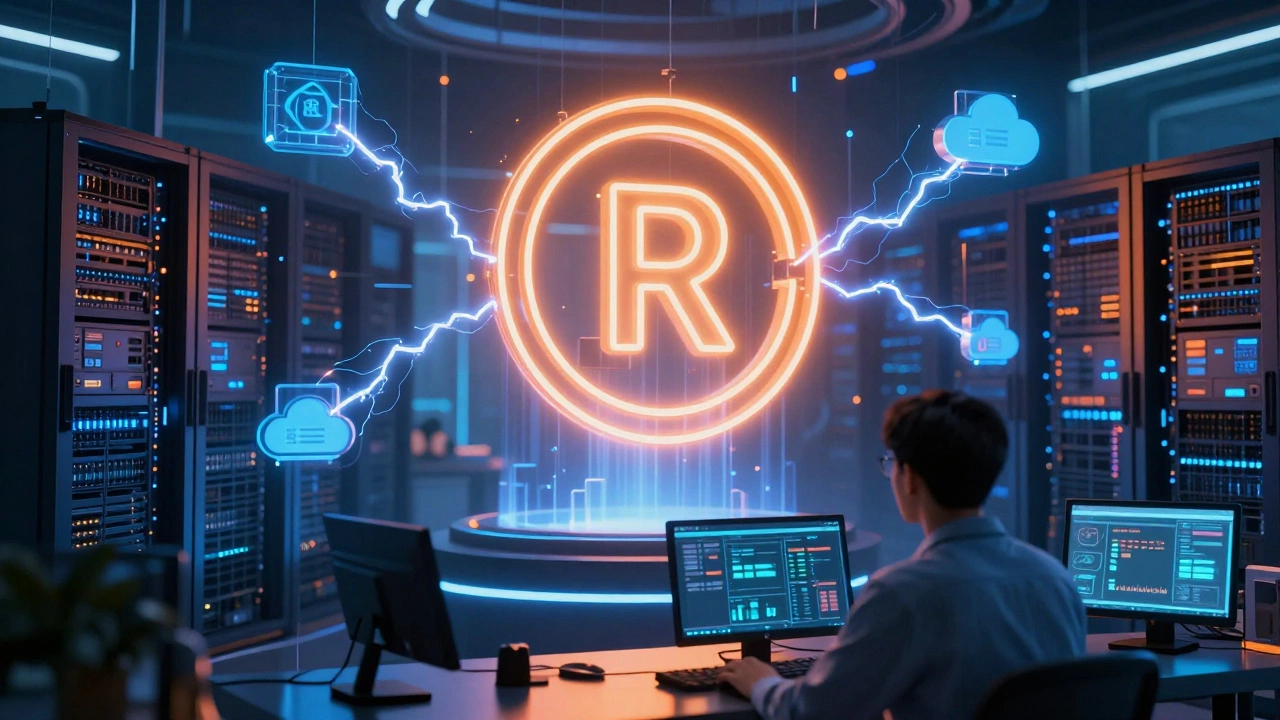
Which Coding Language Has the Highest Salary in 2026?
In 2026, Rust leads as the highest-paying coding language, with median salaries hitting $185,000. Go, Scala, Swift, and Python follow closely, each excelling in different high-demand fields like cloud infrastructure, AI, and mobile development. The key to high earnings? Mastering a language that solves hard problems-not just learning the trendiest one.
What Is the Salary of a Python Developer in 2026?
In 2026, Python developer salaries vary by experience, location, and specialization. Entry-level roles start around $65k in Australia, while seniors with cloud or data skills can earn over $180k. Learn what actually boosts pay and how to get there.
Best Coding Language for Beginners in 2026
Python is the best coding language for beginners in 2026 because it’s simple, powerful, and lets you build real projects fast. Learn how to start, what to avoid, and where to go next.

Which code to learn first? The best starting language for beginners in 2025
Python is the best programming language to learn first in 2025 for beginners. It’s simple, powerful, and opens doors to web dev, data science, and automation without overwhelming you.