
If you're trying to get better at speaking English, choosing the right site can make all the difference. Not all platforms are built the same. Some focus on grammar drills, others on vocabulary lists, but if you want to actually speak English confidently - not just pass a test - you need a site that gives you real conversation, feedback, and practice. So which ones actually work?
It’s not about the number of lessons, it’s about real speaking
Most people try Duolingo or Memrise first. They’re fun, they’re free, and they promise progress. But after a few weeks, you realize you can answer quiz questions about past tense verbs, yet still freeze when someone asks you, "How was your weekend?" That’s because memorizing phrases doesn’t train your mouth or your brain to respond in real time. Speaking English isn’t about knowing the right words - it’s about using them without thinking.
The best sites for English speaking courses don’t just teach you English. They force you to use it. They connect you with real people - native speakers, tutors, or even AI that mimics natural conversation. They give you immediate feedback. They create situations where silence isn’t an option.
Italki: Real tutors, real conversations
If you want to speak like a native, italki is the closest thing to having a personal English coach without paying private tutor rates. On italki, you book 30- or 60-minute sessions with professional teachers or community tutors. The difference? Teachers are certified. Community tutors are usually native speakers who want to help others in exchange for learning your language.
One user from Sydney started with two 30-minute sessions a week. After three months, she went from barely ordering coffee without hesitation to holding 20-minute talks about her job, travel plans, and even her favorite TV shows. The key? She picked tutors who spoke slowly, corrected her mid-sentence, and didn’t let her hide behind "I don’t know."
italki lets you filter tutors by price, availability, teaching style, and even accent. You can find American, British, Australian, or Indian English speakers - each with different rhythms and slang. That’s useful if you’re preparing to move, work, or study in a specific country.
Preply: Structured practice with measurable progress
Preply is similar to italki but adds a layer of structure. Every tutor creates a personalized learning plan. If you’re struggling with pronunciation, your tutor might use audio recordings to compare your speech with native models. If you keep mixing up "there," "their," and "they’re," you’ll get targeted exercises - not just grammar rules.
What makes Preply stand out is its progress tracker. After each lesson, you get a summary: "Improved fluency by 15%," "Reduced hesitation in questions," or "Mastered 8 new phrasal verbs." It’s not just "you did well." It shows you exactly where you’ve improved - and where you still need work.
Many users report noticeable changes in 6-8 weeks. One man from Melbourne, who used to avoid video calls at work, started leading weekly Zoom meetings after six weeks of Preply lessons. He didn’t become perfect. But he stopped apologizing for his English.
Speaky: Practice with native speakers for free
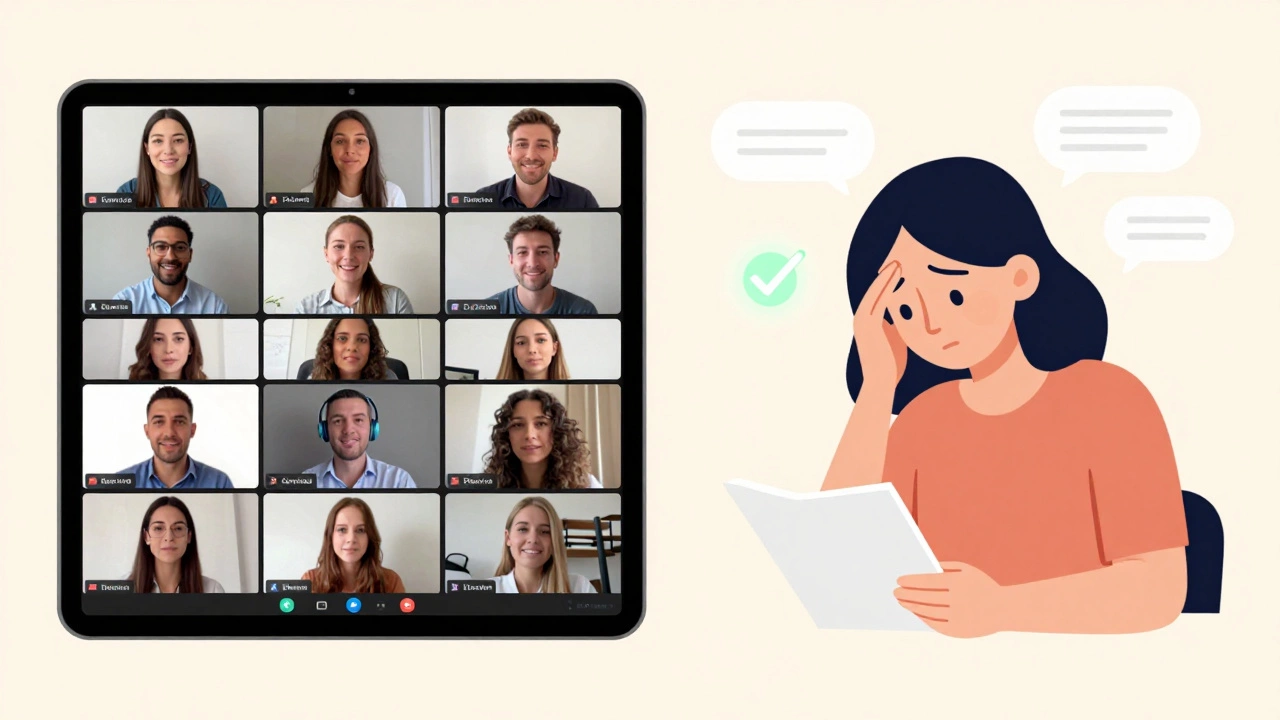
If money is tight, Speaky is one of the few platforms that lets you swap language practice without paying a cent. You teach someone your native language (say, Spanish or Mandarin), and they help you speak English. It’s a 1:1 exchange.
There’s no tutor. No structured lesson. Just real talk. You might start with "What’s your favorite food?" and end up debating whether pineapple belongs on pizza. That’s the point. Real conversations happen when you’re not trying to impress - you’re just connecting.
Some users struggle with inconsistency. If your partner disappears for two weeks, you’re stuck. But if you find a reliable match - say, a student in Canada who wants to learn Portuguese - you can build a weekly rhythm. One woman from Adelaide met her Speaky partner through a shared love of hiking. They now talk every Sunday about trail conditions, gear, and weather. She’s speaking English daily - and learning how to describe feelings, not just facts.
EF English Live: Live classes with structured curriculum
EF English Live is different. It’s not a marketplace of tutors. It’s a full online school. You get scheduled live classes with certified teachers, 24/7 access to self-study materials, and a curriculum designed by language experts.
Classes are small - usually 4-6 students - so everyone gets speaking time. Lessons follow real-life situations: job interviews, hotel check-ins, giving presentations. You don’t just learn "I would like to book a room." You practice it with a role-play where the teacher plays a rude front desk clerk. That’s the kind of muscle memory you need.
EF also tracks your speaking using AI. It listens to your recordings and gives instant feedback on pronunciation, rhythm, and intonation. It doesn’t judge. It just shows you: "You said ‘thirteen’ as ‘thir-teen’ - try blending the ‘th’ sound." That kind of detail matters.
It’s not cheap. But if you’re serious about speaking fluently - not just passing an IELTS test - EF gives you a full ecosystem. You’re not just practicing. You’re building a habit.
YouTube channels that actually help you speak
Don’t overlook free YouTube channels. Many are better than paid apps. "Speak English with Vanessa" and "Learn English with Emma" are two standout channels. They don’t just teach grammar. They show you how native speakers really talk.
Vanessa breaks down common phrases: "I’m good" vs. "I’m fine," "What’s up?" vs. "How are you?" She records herself speaking slowly, then speeds it up. You learn how words connect in real speech - not how they look in a textbook.
Emma teaches through storytelling. She’ll tell you about her day, then pause and ask you to repeat what she said. You’re not passive. You’re forced to listen, repeat, and mimic. That’s how accents and rhythm stick.

What most people get wrong
Here’s the truth: You don’t need to study more. You need to speak more. And not just when you’re ready. You need to speak when you’re nervous. When you’re tired. When you’re afraid of making mistakes.
One common mistake? Waiting until you "know enough." You’ll never know enough. Fluency isn’t a destination. It’s a habit. The best sites don’t wait for you to be perfect. They push you to start now.
Another mistake? Choosing based on price alone. A $5/hour tutor might seem smart. But if they don’t correct you, don’t challenge you, or vanish after two lessons - you’re wasting time. Quality matters more than cost.
Which site should you pick?
Here’s a quick guide:
- If you want personalized, one-on-one coaching → italki or Preply
- If you want free, peer-to-peer practice → Speaky
- If you want structured lessons with live classes → EF English Live
- If you want daily listening and speaking practice → YouTube (Vanessa, Emma)
Try one for two weeks. Don’t jump between five. Stick with one. Talk every day - even if it’s just 10 minutes. Record yourself. Listen back. Notice where you hesitate. Then go back and practice that part.
Progress isn’t linear - but it’s real
There’s no magic formula. No app that turns you fluent overnight. But people who stick with one solid platform for 60 days see real change. They stop translating in their head. They start thinking in English. They laugh at their own mistakes instead of hiding from them.
It’s not about being perfect. It’s about being heard.
What’s the cheapest way to practice speaking English?
The cheapest way is using Speaky or Tandem - both free platforms that connect you with native speakers who want to learn your language. You teach them your language, and they help you speak English. No payment needed. Just consistency. You can also use free YouTube channels like "Speak English with Vanessa" to mimic native speech patterns daily.
Can I become fluent just using apps like Duolingo?
No. Duolingo and similar apps are great for vocabulary and basic grammar, but they don’t train speaking. Fluency requires real-time conversation, feedback, and emotional practice - like making mistakes in front of someone else. Apps can’t replicate that. You need human interaction - or at least AI that simulates it - to truly speak English confidently.
How long does it take to speak English fluently?
It depends on how often you practice. Someone who speaks for 30 minutes every day, five days a week, typically sees noticeable improvement in 6-8 weeks. True fluency - where you think in English without translating - usually takes 6-12 months with consistent daily practice. The key isn’t intensity. It’s frequency.
Should I choose a tutor from the US, UK, or Australia?
Choose based on where you’ll use English. If you’re moving to Australia, work with an Australian tutor. If you’re applying to American universities, focus on American English. Accents and slang vary. You don’t need to sound like a native - but you should understand the version you’ll hear most often. All major platforms let you filter tutors by accent and region.
Is it worth paying for a professional tutor?
Yes - if you’re serious about improvement. A good tutor doesn’t just correct you. They push you, challenge you, and create a safe space to fail. For $5-$15/hour, you get personalized feedback you won’t find anywhere else. Free options help, but paid tutors accelerate progress dramatically. Look for tutors with reviews that mention "feedback," "correction," and "encouragement," not just "nice person."