Vocational Courses in India: What They Are and Why They Matter
When we talk about vocational courses, hands-on training programs that teach specific job skills instead of abstract theory. Also known as career-oriented education, they prepare students for work right after school—no degree required. These aren’t the same as traditional classroom learning. You won’t spend hours memorizing formulas or writing essays. Instead, you’ll learn how to fix engines, cook meals in a professional kitchen, design websites, or install electrical systems—all while still in school.
Vocational courses are part of a bigger idea called skill-based learning, an approach that values what you can do over what you can recite. In India, this shift is happening fast. The government pushes these programs because employers say graduates don’t have the skills they need. Companies aren’t looking for people who passed exams—they want people who can fix machines, manage inventory, or handle customer service without a six-month training period. That’s where career training, structured programs that link classroom learning directly to workplace tasks. comes in. These aren’t optional extras anymore. They’re built into the curriculum in many schools, especially after grade 10. You can pick courses in plumbing, tailoring, automotive repair, digital marketing, or even hospitality. Each one leads to a certificate that employers recognize.
What makes vocational courses different is how fast they turn knowledge into income. While others are studying for college entrance exams, students in vocational tracks are already earning money through internships or part-time jobs. Some even start their own small businesses after graduation. And it’s not just for students who don’t do well in school. Many high-achievers choose these paths because they want to work with their hands, solve real problems, or avoid student debt. The truth? A certificate in welding or solar panel installation can pay more than a degree in a field with no jobs.
India’s education system is slowly waking up to this. More schools are partnering with local businesses to make sure the training matches what’s actually needed on the ground. You’ll find vocational programs in towns and cities alike—not just big metros. And with digital tools becoming part of every job, even traditional trades now include tech skills like using apps for scheduling or tracking inventory.
Below, you’ll find real guides that break down how these courses work, what you can actually learn, and how they connect to jobs in India. Whether you’re a student deciding your next step, a parent wondering if this path makes sense, or a teacher trying to understand the options—there’s something here that’ll help you see vocational education for what it really is: not a backup plan, but a smart, direct route to a good job.
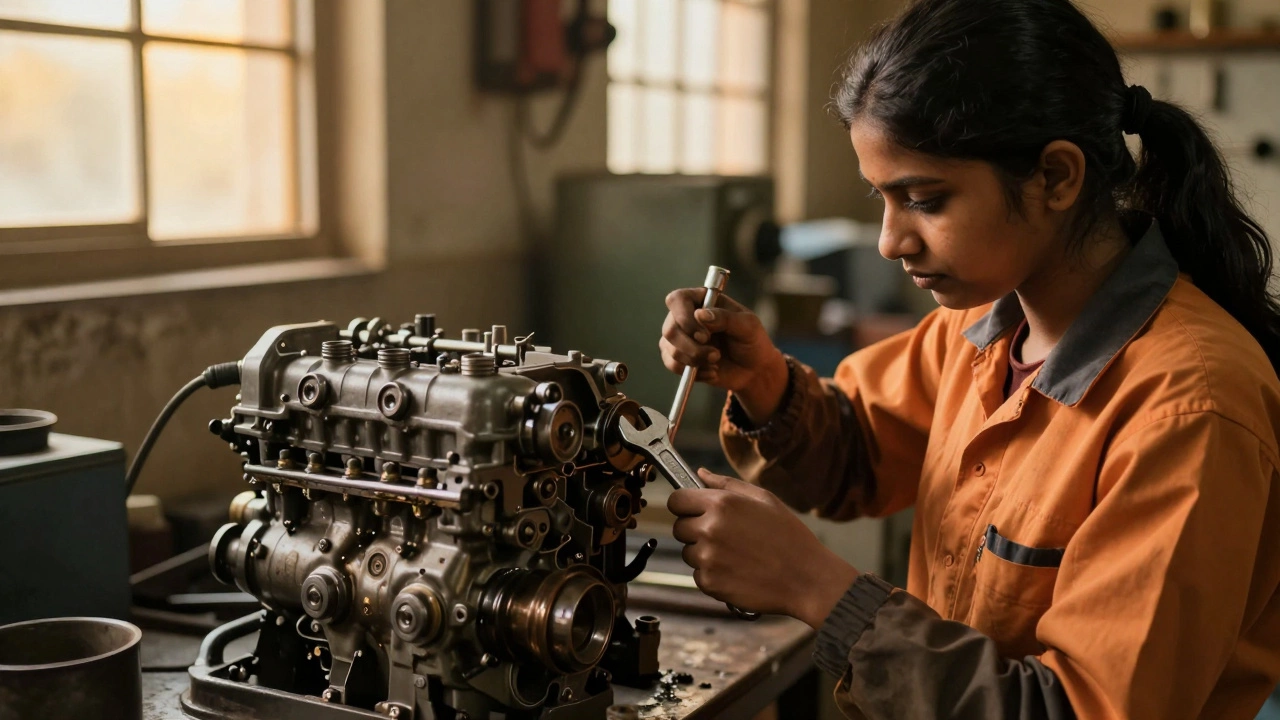
What's the Real Difference Between Vocational and Academic Education?
Vocational and academic education serve different purposes. This article explains how vocational training focuses on hands-on job skills for specific careers, while academic education builds theoretical knowledge for degrees. Learn which path suits your goals with real examples and clear comparisons.

What Does Vocational Mean in School? A Clear Guide to Vocational Courses
Wondering what 'vocational' means in school? This article explains how vocational courses shake up the typical classroom routine, prepping students with real-life skills. Dive into how these hands-on courses work, what jobs they can lead to, and why they’re so popular in Australia—even while you’re still at school. Get honest tips on picking the right course and what life looks like after choosing this path. It's a must-read guide for students, parents, and anyone considering a more practical approach to education.