
Where Are You on the Coding Journey?
Select the stage that best describes your current experience with coding to receive specific insights and tips.
The Beginner
I'm just starting out. Everything feels new, confusing, and I struggle with basic syntax errors.
The Intermediate
I know the basics but get stuck when combining concepts. I feel overwhelmed by larger projects.
The Advanced
I build things regularly. I focus on architecture and scalability rather than just making it work.
Current Reality:
Key Challenge:
Actionable Tips for This Stage:
You sit down at your keyboard, ready to build that simple website or app you’ve been dreaming about. You type out the first few lines of code, hit run, and immediately get a wall of red error messages. It feels like trying to read a language written by aliens. You wonder if you’re just not smart enough for this. But here is the real question: does coding ever actually get easier?
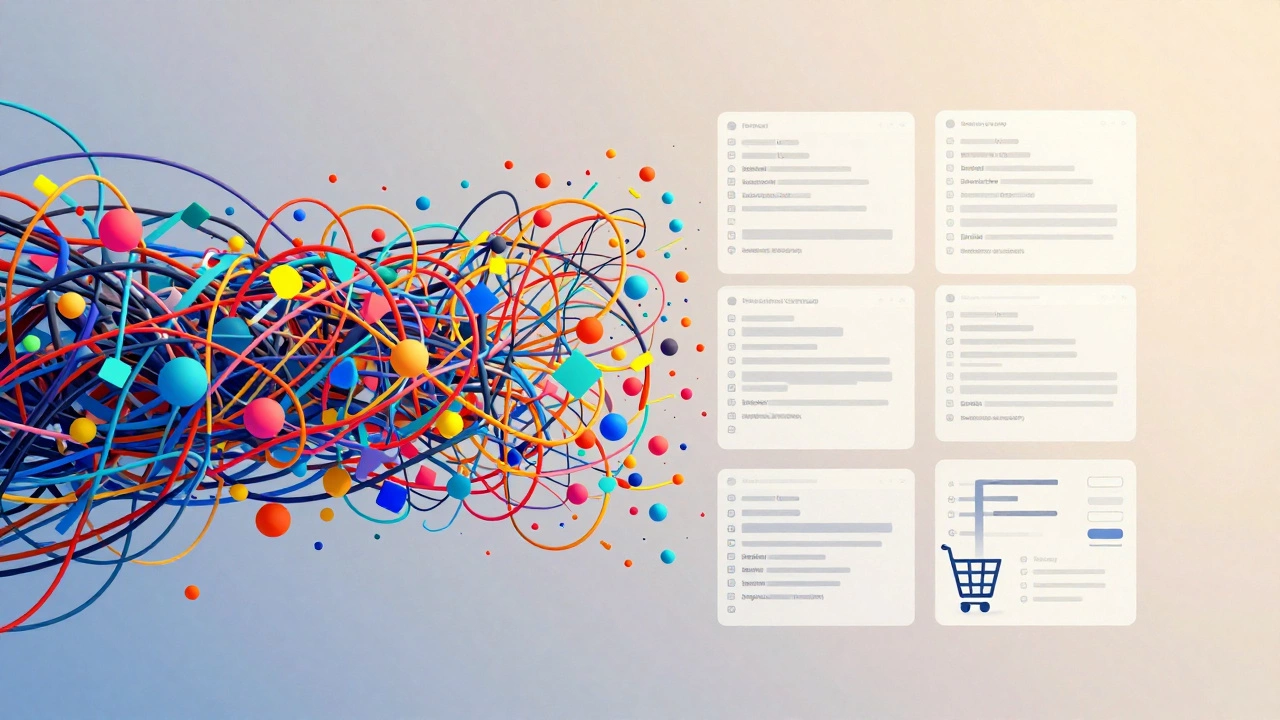
The short answer is yes. But it doesn’t happen the way most people expect. It doesn’t become easy because the problems stop being hard. It becomes easier because your brain starts recognizing patterns instead of seeing chaos.
When you start taking coding classes or self-study tutorials, everything looks new. Every line of code is a mystery. But as you progress, you move from memorizing syntax to understanding logic. That shift changes everything.
The "Wall" Every Beginner Hits
There is a specific moment in every learner’s journey where they feel like they are stuck in quicksand. This usually happens around week three or four of learning a language like Python or JavaScript. You know the basics. You can write a loop. You can define a variable. But when you try to combine them into something functional, nothing works.
This is called the "valley of despair." In educational psychology, this is part of the Dunning-Kruger effect curve. At first, you are happily ignorant-you don’t know what you don’t know. Then, you learn enough to realize how much you still have to figure out. Your confidence drops while your awareness rises. It feels harder because you are now aware of the complexity.
Many students quit here. They think the difficulty means they aren’t cut out for tech. In reality, this wall is a filter. It separates those who want a quick fix from those willing to build a skill. If you push through this phase, the fog begins to lift.
From Memorization to Pattern Recognition
Coding gets easier because your brain stops treating every problem as unique. Early on, you might spend hours trying to remember the exact syntax for fetching data from an API. Later, you won’t even need to look it up. You’ll just know that you need to make a request, handle the response, and parse the JSON.
This is pattern recognition. Professional developers don’t memorize every command. They recognize structures. A login form is always a combination of input fields, validation logic, and database queries. A shopping cart is always a list of items with quantities and prices. Once you see these patterns, you stop writing code from scratch and start assembling components.
Think of it like driving a car. When you first learned, you had to consciously think about checking mirrors, signaling, and braking. Now, you do it without thinking. Coding reaches the same level of muscle memory. The syntax fades into the background, and you focus on the solution.
Why Some Concepts Stay Hard (And That’s Okay)
Not everything gets easier. There will always be new concepts that stump you. When you move from front-end development to back-end systems, or from simple scripts to complex architectures, you will hit new walls. Recursion, Asynchronous Programming, and Memory Management are notorious for confusing even experienced developers.
But the difference is in your reaction. A beginner panics when they don’t understand recursion. An experienced developer reads a tutorial, writes a small test case, and accepts that it takes time to click. The difficulty hasn’t decreased; your tolerance for confusion has increased.
This resilience is the real skill. Coding isn’t about knowing all the answers. It’s about knowing how to find them efficiently. You learn to debug systematically. You learn to read documentation. You learn to ask better questions on forums like Stack Overflow. These meta-skills make the hard parts manageable.
The Role of Tools and Frameworks
Another reason coding feels easier over time is that you start using better tools. Beginners often write raw HTML, CSS, and JavaScript. They fight with browser inconsistencies and write repetitive code. Experienced developers use frameworks like React or Vue.js that handle the heavy lifting.
These frameworks provide structure. They enforce best practices and reduce the number of decisions you have to make. Instead of wondering how to manage state in your application, you use a library like Redux or Pinia. The framework handles the complexity, so you can focus on the features.
Integrated Development Environments (IDEs) also help. Tools like Visual Studio Code offer autocomplete, error checking, and debugging tools that catch mistakes before you run your code. This feedback loop speeds up learning and reduces frustration.
| Stage | Primary Challenge | Mental Model | Feeling |
|---|---|---|---|
| Beginner (0-3 months) | Syntax errors & basic logic | Memorization | Frustrated & confused |
| Intermediate (3-12 months) | Connecting concepts & debugging | Pattern recognition | Overwhelmed but capable |
| Advanced (1+ years) | Architecture & scalability | System design | Confident & curious |
The Importance of Building Projects
Tutorials give you a false sense of competence. Following along step-by-step feels productive, but it doesn’t teach you how to solve problems independently. Coding gets easier when you start building things from scratch. No instructions. No hints. Just you and the blank screen.
Start small. Build a to-do list. Create a weather app that fetches data from an API. Make a personal portfolio site. Each project forces you to confront gaps in your knowledge. You will get stuck. You will search for solutions. You will fail. And then you will succeed.
This cycle builds intuition. You start to anticipate where bugs might hide. You learn which libraries are reliable and which ones are abandoned. You develop a sense of code smell-when something looks wrong even if it runs correctly. This intuition is what makes coding feel effortless later on.

Common Mistakes That Keep Coding Hard
Some learners stay stuck in the beginner phase for years. This usually happens because of bad habits. Here are the most common traps:
- Tutorial Hell: Watching endless videos without writing code yourself. You consume information but never apply it.
- Copying Without Understanding: Pasting code from Stack Overflow without reading how it works. You create fragile applications that break easily.
- Perfectionism: Trying to write perfect code on the first try. Real coding is iterative. Write ugly code first, then refactor it.
- Isolation: Learning alone without feedback. Joining a community or taking structured coding classes provides accountability and guidance.
Breaking these habits requires discipline. Set aside time each day to code without video guides. Read other people’s code on GitHub. Ask for code reviews. These practices accelerate your growth and make the learning process smoother.
When Does It Actually Feel Easy?
Coding feels easy when you stop fighting the computer and start collaborating with it. This usually happens after you have built several complete projects. You no longer fear the empty file. You see it as a canvas.
You also feel more comfortable with ambiguity. Beginners need clear instructions. Experienced developers thrive in vague requirements. You can take a rough idea and break it down into technical steps. You know how to research unknown topics quickly. You trust your ability to figure things out.
This confidence is the true marker of progress. The code itself may still be complex, but your relationship with it has changed. You are no longer a victim of errors. You are a solver of problems.
How long does it take for coding to get easier?
For most people, coding starts to feel noticeably easier after 3 to 6 months of consistent practice. This is when you move past basic syntax and begin recognizing common patterns. However, full fluency typically takes 1 to 2 years of regular project building.
Do I need to be good at math to code?
No. Most web development and business application coding requires only basic arithmetic and logical thinking. Advanced fields like machine learning or game engine development require higher-level mathematics, but for general programming, algebra and logic are sufficient.
Is it better to learn coding alone or in a class?
Structured coding classes provide accountability, mentorship, and a curriculum that prevents gaps in knowledge. Self-learning offers flexibility but often leads to tutorial hell. For beginners, a hybrid approach-taking a class while building personal projects-is usually most effective.
Why do I keep getting stuck on the same errors?
Recurring errors often indicate a gap in foundational understanding. If you constantly struggle with loops or variables, revisit those basics. Use debugging tools to step through your code line by line. Understanding why an error occurs is more important than fixing it once.
Can I switch programming languages easily after learning one?
Yes. Once you understand core concepts like variables, functions, and control flow, switching languages becomes much faster. The syntax changes, but the logic remains similar. Many developers learn Python first, then move to JavaScript or TypeScript with relative ease.