
Career Path Estimator
Select a career path below to see estimated starting salaries, required preparation time, and job security ratings.
Civil Services
Government SectorSoftware Dev
Tech & ITHigh-Ticket Sales
Private SectorSkilled Trades
ApprenticeshipLaw Enforcement
Federal AgencySelected Career Path
Requirement details
Key Takeaways:
You just finished school or college. You have zero work history. Your bank account is looking thin. The standard advice says you need to start at the bottom, take a low-paying internship, and wait five years for a raise. But what if that’s not the only path? There are specific roles in 2026 where the starting salary hits six figures immediately, even if your resume is empty. These aren't magic tricks. They are structured careers with clear entry points, often through competitive exams or specialized training programs.
The biggest myth is that money follows experience. In reality, money follows scarcity and risk. If a job requires handling dangerous situations, working irregular hours, or passing difficult standardized tests, the market pays a premium upfront. For someone with no experience, this means bypassing the traditional corporate ladder and aiming for roles that value certification and aptitude over past employment.
The Public Sector Advantage: Stability Meets Salary
If you are looking for the most reliable high-paying entry-level jobs, look at the government sector. Unlike private companies that hire based on "cultural fit" and vague skill sets, government agencies hire based on meritocracy. You pass the test, you get the job, and you get the pay scale attached to it. This is why government jobs preparation is such a critical strategy for freshers.
In many countries, including India and the United States, entry-level administrative and law enforcement roles offer salaries that crush typical private-sector internships. Let's look at the specifics.
- Civil Services (e.g., UPSC in India): A successful candidate enters as an Assistant Secretary or similar rank. The basic pay starts around ₹56,100 per month, but when you add Dearness Allowance, House Rent Allowance, and Travel Allowance, the monthly take-home can exceed ₹80,000-₹90,000. That’s nearly $1,000-$1,100 USD before tax, with immense job security and perks like official housing and vehicles.
- Federal Law Enforcement (USA): Agencies like the FBI, DEA, or Secret Service recruit Special Agents directly from the public. While they prefer some experience, they have pathways for recent graduates. Starting salaries often begin at GS-12 or GS-13 levels, which translates to roughly $75,000-$90,000 annually depending on location.
- Public School Teaching (Specialized Subjects): In regions with teacher shortages, particularly for STEM (Science, Technology, Engineering, Math) or special education, new teachers can sign contracts worth $60,000-$80,000, especially in high-cost areas or through alternative certification programs that fast-track you into the classroom.
The key here is the exam. These jobs don't care who you know. They care if you can solve the problem. Preparing for these exams requires discipline, but the payoff is immediate financial stability.
Private Sector Roles That Hire Freshers
The private sector is faster moving. They will pay you well if you can generate revenue or solve technical problems quickly. Here are three sectors where "no experience" is acceptable if you have the right raw talent or willingness to train.
1. Software Development & Tech Support
You don’t need a Computer Science degree anymore. You need a portfolio. Companies like Google, Apple, and countless startups have removed degree requirements for many engineering roles. If you can code, you can earn. Entry-level software engineers in major tech hubs start at $80,000-$120,000. Even lower-tier tech support roles in cybersecurity or cloud infrastructure (like AWS or Azure certifications) can pay $50,000-$70,000 because the skills are rare.
2. High-Ticket Sales
Sales is the great equalizer. If you sell enterprise software, medical devices, or real estate, your base salary might be modest ($40,000-$60,000), but your On-Target Earnings (OTE) with commissions can double that. Companies hire sales development reps (SDRs) with no experience because they want raw hunger and communication skills. They will train you on the product. If you close deals, you make money. It’s performance-based, not tenure-based.
3. Skilled Trades with Licensing
This is the hidden gem of the job market. Electricians, plumbers, and HVAC technicians often start as apprentices. Apprenticeships are paid positions. While the starting pay isn't massive ($15-$25/hour), within two years, journeymen in these fields regularly earn $70,000-$100,000. Unlike office jobs, there is a severe shortage of skilled tradespeople. If you are willing to get dirty and get licensed, the demand guarantees high wages.
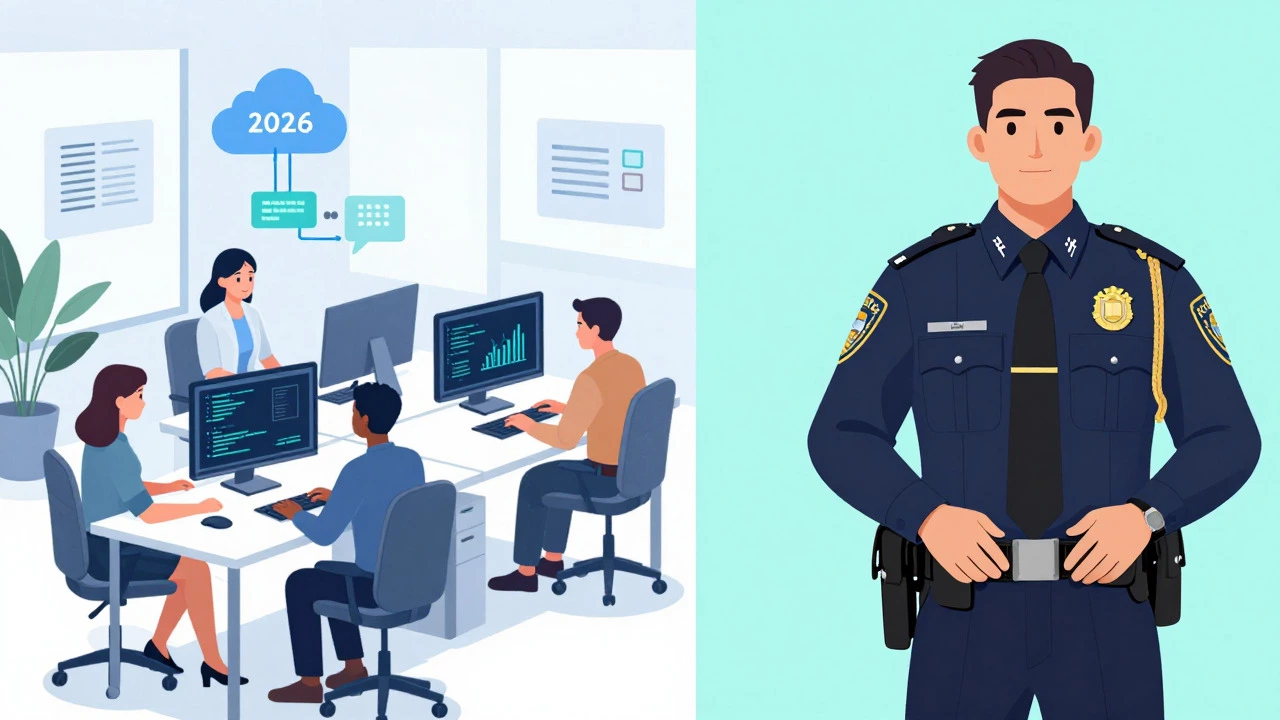
Comparison: Government vs. Private Entry-Level Paths
| Career Path | Entry Requirement | Starting Salary Range (USD) | Job Security | Preparation Time |
|---|---|---|---|---|
| Civil Services (Govt) | Pass Competitive Exam | $12,000 - $15,000 (varies by country) | Very High | 6-12 Months |
| Software Engineer | Portfolio/Coding Skills | $80,000 - $120,000 | Medium (Layoffs common) | 3-6 Months (Bootcamp/Self-study) |
| Enterprise Sales | Communication Skills | $60,000 - $100,000 (with commission) | Low (Performance based) | Immediate |
| Skilled Trade Apprentice | Physical Fitness/License | $30,000 - $50,000 | High | 1-4 Years (Apprenticeship) |
| Federal Law Enforcement | Background Check/Fitness Test | $75,000 - $90,000 | Very High | 6-12 Months (Training Academy) |
How to Prepare When You Have No Experience
Since you can't leverage past jobs, you must leverage proof of potential. Here is how to position yourself for these high-paying roles.
- For Government Jobs: Treat exam preparation like a full-time job. Buy standard study materials, join a coaching institute if necessary, and practice previous years' question papers. Consistency beats intensity. Study 6 hours a day for 6 months rather than 12 hours for 2 weeks.
- For Tech Roles: Build projects. Don't just watch tutorials. Build a website, automate a task with Python, or create a mobile app. Put it on GitHub. Recruiters want to see code, not certificates.
- For Sales: Work on your communication. Join Toastmasters or any public speaking group. Learn active listening. In interviews, demonstrate empathy and persuasion. Show them you can handle rejection.
- For Trades: Contact local unions or trade schools. Ask about apprenticeship programs. Show up early, work hard, and ask questions. Physical reliability is a huge asset.
Pitfalls to Avoid
When you are desperate for a high salary, you become vulnerable to scams. Be wary of any job that asks you to pay for training upfront, promises unrealistic earnings for minimal work, or lacks a verifiable company address. Legitimate high-paying jobs pay you; they don't charge you.
Also, avoid the "degree trap." If you are pursuing a generic bachelor's degree solely for the credential, you may graduate with debt and no specific skills. Instead, pair your education with certifications (like PMP, AWS Certified Cloud Practitioner, or CPA tracks) that have direct market value.
Next Steps for Your Career
Identify which path aligns with your personality. Do you prefer structure and stability? Look at government jobs. Do you thrive on chaos and rewards? Look at sales or tech. Once you choose, commit to the preparation phase. The first year is the hardest, but the financial gap between a low-skill job and a high-skill entry-level job widens significantly after five years. Start now.
What is the highest paying job with no experience in 2026?
In 2026, entry-level software engineering roles in major tech hubs offer the highest starting salaries, often ranging from $80,000 to $120,000. However, these require strong technical portfolios. For those preferring non-technical paths, federal law enforcement and specialized civil service roles offer high starting salaries ($75,000+) with greater job security, though they require passing rigorous competitive exams.
Can I get a government job with no experience?
Yes, absolutely. Most government jobs, especially at the entry-level (such as clerical, administrative, or junior officer roles), are open to fresh graduates. The primary requirement is passing a competitive examination. Experience is rarely a barrier; aptitude and knowledge are the deciding factors.
Do I need a degree for high-paying entry-level jobs?
Not always. While many government and corporate roles still list a bachelor's degree as a preference, many tech companies and sales organizations have moved to skills-based hiring. Certifications, portfolios, and demonstrated aptitude can substitute for a degree in fields like coding, digital marketing, and sales.
How long does it take to prepare for competitive government exams?
Preparation time varies by the difficulty of the exam. For highly competitive roles like Civil Services, candidates typically spend 6 to 12 months preparing full-time. Less competitive administrative roles may require 3 to 6 months of dedicated study. Consistency is more important than cramming.
Are sales jobs really high-paying for beginners?
Sales jobs have high earning potential, but they are variable. Beginners usually receive a base salary plus commission. Top performers in enterprise sales can easily earn $100,000+ in their first year, while average performers might earn $50,000-$70,000. It depends entirely on your ability to close deals and handle rejection.