Coding Difficulty & Language Selector
Based on your goals and learning style, this tool recommends the best starting point for your coding journey in 2026.
Recommended Language:
Why:
Expected Learning Curve:
Immediate Visual Feedback:
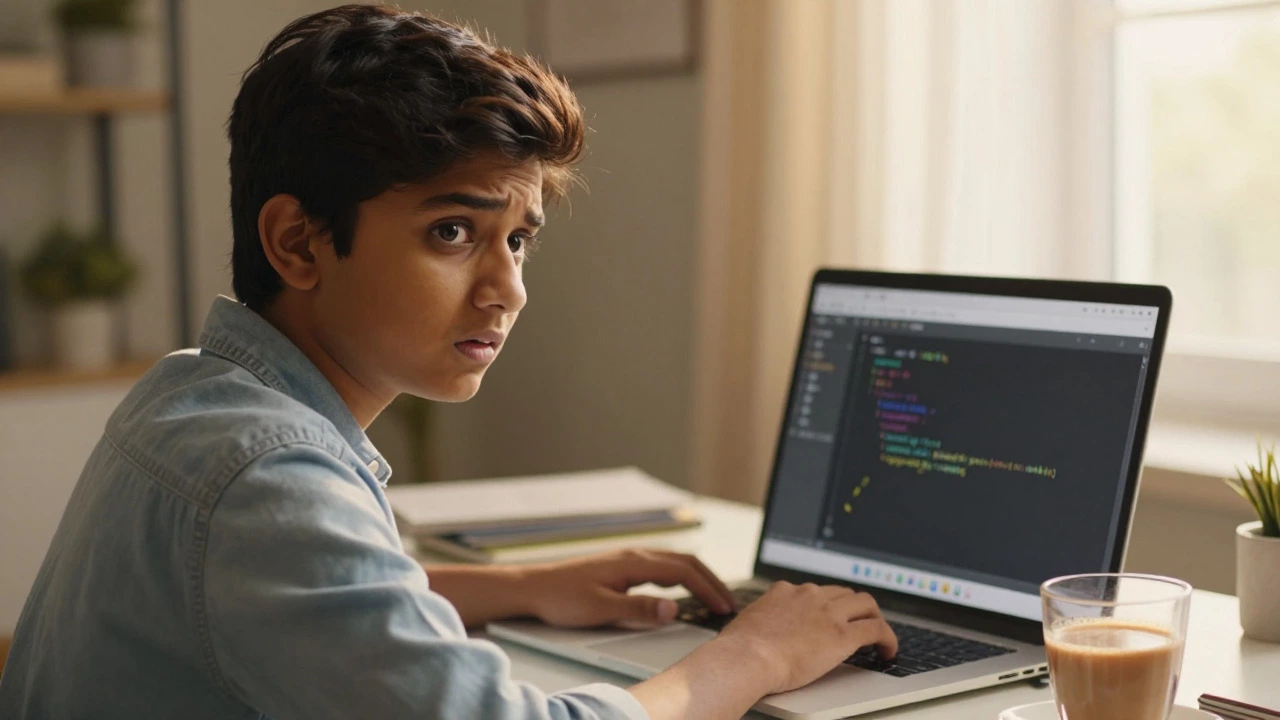
Picture this: you sit down at your computer, open a blank text editor, and stare at the cursor blinking back at you. You want to build an app, automate a boring task, or just understand how websites work. But the first line of code feels like reading ancient hieroglyphs. Is it supposed to be this confusing? The short answer is yes-at first. But here’s the twist: it gets easier faster than most people expect.
We’ve been sold a myth that coding is only for math geniuses with photographic memories. In reality, coding is just a way of giving instructions to a machine. If you can follow a recipe or give someone directions to your house, you already have the logical foundation needed to start. The difficulty isn’t in the logic; it’s in the syntax-the specific spelling and grammar computers demand.
The Real Hurdle: Syntax vs. Logic
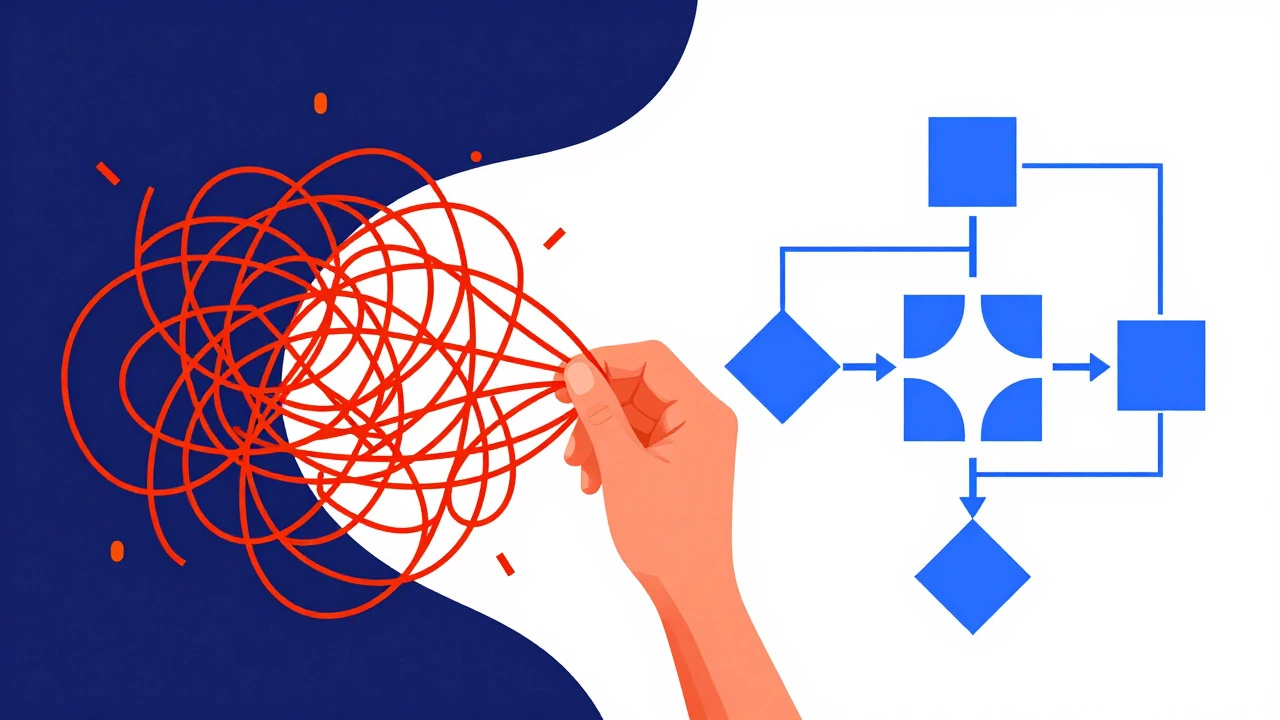
When beginners ask if coding is hard, they are usually mixing up two different challenges: learning the rules (syntax) and solving problems (logic). Think of syntax like learning the alphabet and basic sentence structure in a new language. You need to know where the periods go and how to spell words. In Python, a popular programming language known for its readability, this means remembering to put a colon after an 'if' statement or indenting your code correctly.
Logic, on the other hand, is the actual thinking part. It’s figuring out *what* you want the computer to do. "If the user clicks this button, show this message." That’s not hard. That’s common sense. The frustration comes when the computer doesn’t do what you said because you missed a single comma. This is where many beginners quit, not because they aren’t smart enough, but because they get tired of fighting tiny typos.
Why Your Brain Feels Stuck (And Why It’s Normal)
You might feel like you’re making no progress. You watch a tutorial, type along perfectly, and it works. Then you close the video and try to write something from scratch, and your mind goes blank. This is called the "illusion of competence." You understood the concept while watching, but you haven’t built the neural pathways to retrieve it yet.
This gap between understanding and doing is normal. It’s similar to learning to drive. You can read about parallel parking all day, but until you actually turn the wheel while backing up, it won’t click. In coding, this "click" happens when you make mistakes. Errors are not failures; they are the primary feedback mechanism. Every red error message is the computer telling you exactly where to look.
Choosing Your First Language Matters
Not all coding languages are created equal for beginners. Picking the wrong one can make the journey unnecessarily steep. For most newcomers in 2026, we recommend starting with either Python or JavaScript.
| Language | Best For | Learning Curve | Immediate Visual Feedback |
|---|---|---|---|
| Python | Data analysis, AI, backend web development | Low (reads like English) | Low (mostly text output initially) |
| JavaScript | Web development, interactive websites | Medium (quirky rules) | High (you see changes in the browser instantly) |
| HTML/CSS | Website structure and styling | Very Low | High (instant visual results) |
If you love seeing things change visually, start with HTML and CSS, then move to JavaScript. If you prefer logic puzzles and data, Python is the smoother entry point. Avoid C++ or Java as your very first language unless you have a specific reason. They require more boilerplate code, which adds noise before you even start building real features.
The Role of Coding Classes and Structured Learning
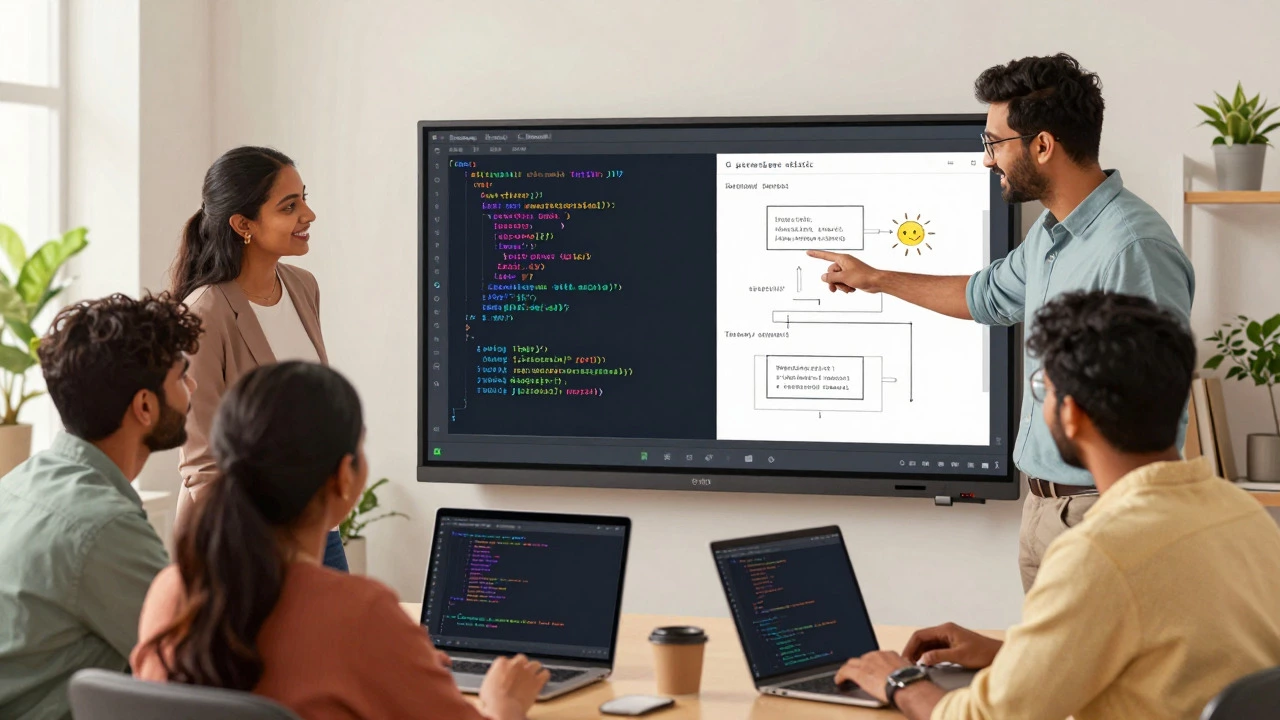
Self-teaching is possible, but it’s inefficient. Without a roadmap, beginners often spend weeks learning outdated tools or skipping fundamental concepts. This is where coding classes shine. A good course provides three things: a structured path, immediate feedback, and community support.
In a classroom setting-whether online or offline-you benefit from curated content. Instead of Googling "how to fix error X" for hours, you learn why error X happens in the first place. Furthermore, interacting with peers helps normalize the struggle. When you realize everyone else is also stuck on loops, the pressure drops significantly.
Look for classes that emphasize projects over theory. You don’t learn to swim by reading about hydrodynamics; you learn by getting wet. Similarly, you learn to code by building things. Even a simple calculator or a to-do list app teaches more than ten hours of passive video watching.
Common Pitfalls That Make Coding Feel Harder
There are specific habits that artificially increase the difficulty of learning to code. Avoiding these will save you months of frustration.
- Tutorial Hell: Watching endless videos without typing code yourself. Break the cycle by pausing every five minutes and trying to rewrite what you just saw without looking.
- Perfectionism: Trying to write perfect code on the first try. Write ugly, messy code first. Make it work. Then clean it up. Working bad code is better than non-working perfect code.
- Copying Without Understanding: Copy-pasting solutions from forums. Always force yourself to read each line and explain it aloud before pasting.
- Ignoring Fundamentals: Jumping into complex frameworks like React or Django before understanding variables, functions, and loops. Frameworks change; fundamentals stay the same.
How to Actually Get Good at Coding
So, how do you move from "this is impossible" to "I built this"? Consistency beats intensity. Coding for thirty minutes every day is far more effective than cramming for ten hours once a week. Your brain needs sleep to consolidate the new patterns you’re forming.
Start small. Build a project that interests you personally. Want to track your expenses? Build a budget tracker. Love cats? Build a site that displays random cat facts. Personal relevance keeps motivation high when the bugs get tough.
Embrace the search engine. Professional developers Google constantly. Knowing how to ask the right questions is a skill in itself. Instead of asking "why isn’t my code working," ask "Python TypeError unsupported operand type for +." Specificity yields answers.
Is It Too Late to Start?
Absolutely not. The stereotype of the teenage coding prodigy is misleading. Many successful developers started in their thirties, forties, or even later. Life experience actually helps with coding because it improves problem-solving skills and patience. You bring context to the problems you solve, which makes your code more practical and robust.
The technology landscape in 2026 is more accessible than ever. Tools like AI assistants can help explain errors and suggest improvements, acting as a patient tutor available 24/7. However, use them as helpers, not crutches. Always ensure you understand the solution before accepting it.
Do I need to be good at math to learn coding?
For most types of coding, basic arithmetic is sufficient. You don’t need calculus or advanced algebra to build websites, apps, or automate tasks. Math becomes important primarily in specialized fields like game development, data science, or artificial intelligence. For general programming, logical thinking is far more valuable than mathematical prowess.
How long does it take to learn to code?
It depends on your goals. You can learn the basics of a language like Python in a few weeks of consistent practice. To become job-ready as a junior developer, it typically takes six to twelve months of dedicated study and project building. Mastery is a lifelong process, but you can be productive much sooner.
Should I take a coding class or teach myself?
Self-teaching works for highly disciplined individuals who can find resources and stay motivated. However, coding classes provide structure, accountability, and direct access to mentors. If you find yourself procrastinating or confused by conflicting online advice, investing in a structured course is often worth the cost to accelerate your learning.
What is the easiest programming language for beginners?
Python is widely considered the easiest due to its clean, readable syntax that resembles plain English. JavaScript is also a strong contender because it runs directly in web browsers, allowing for immediate visual feedback. Both languages have massive communities and abundant learning resources.
Can I learn to code without a computer science degree?
Yes. The tech industry values skills and portfolios over degrees. Many successful developers are self-taught or graduated from coding bootcamps. What matters most is your ability to solve problems and build functional applications, not your academic credentials.