12th Class Degree: What It Means, Why It Matters, and What Comes Next
When you finish your 12th class degree, the final year of secondary education in India that qualifies students for higher education and competitive exams. Also known as Higher Secondary Certificate, it’s not just a piece of paper—it’s the gatekeeper to engineering, medicine, law, and thousands of other paths. This isn’t like high school in the U.S. or the UK. In India, your 12th class results directly shape your options. If you’re aiming for CBSE board, the largest school board in India, serving over 2.5 crore students with standardized exams that influence college admissions nationwide, your marks are weighed heavily by top colleges. And if you’re targeting NEET preparation, the national medical entrance exam that determines who gets into medical colleges across India, your 12th class biology and chemistry scores aren’t just background info—they’re the foundation.
Many students think passing 12th class is the finish line. It’s not. It’s the starting line. The same year you finish your 12th class degree, you’re already preparing for IIT JEE coaching, the intensive, high-pressure training system that prepares students for India’s toughest engineering entrance exam. If you’re not in a coaching institute, you’re probably using online resources, self-study plans, or YouTube tutorials—just like the self-taught coders who land jobs without degrees. Your 12th class isn’t about memorizing formulas. It’s about building discipline, managing time, and learning how to study under pressure—all skills that matter more than your final percentage.
What happens after 12th? That depends on your stream. Science students chase NEET or JEE. Commerce students look at CA, CS, or BBA. Arts students go into law, teaching, or civil services. But no matter your path, your 12th class results open or close doors. A low score doesn’t end your future—but it does force you to work harder later. That’s why so many students in India treat 12th class like a final exam for life. And honestly? They’re not wrong. The pressure is real. The stakes are high. But the system also gives you clear rules. Know them. Use them. Build from them.
Below, you’ll find real stories and data about what comes after 12th class—how many students take the CBSE board, who succeeds in NEET, what coaching actually delivers, and how to turn your results into real opportunities. No fluff. Just what works.
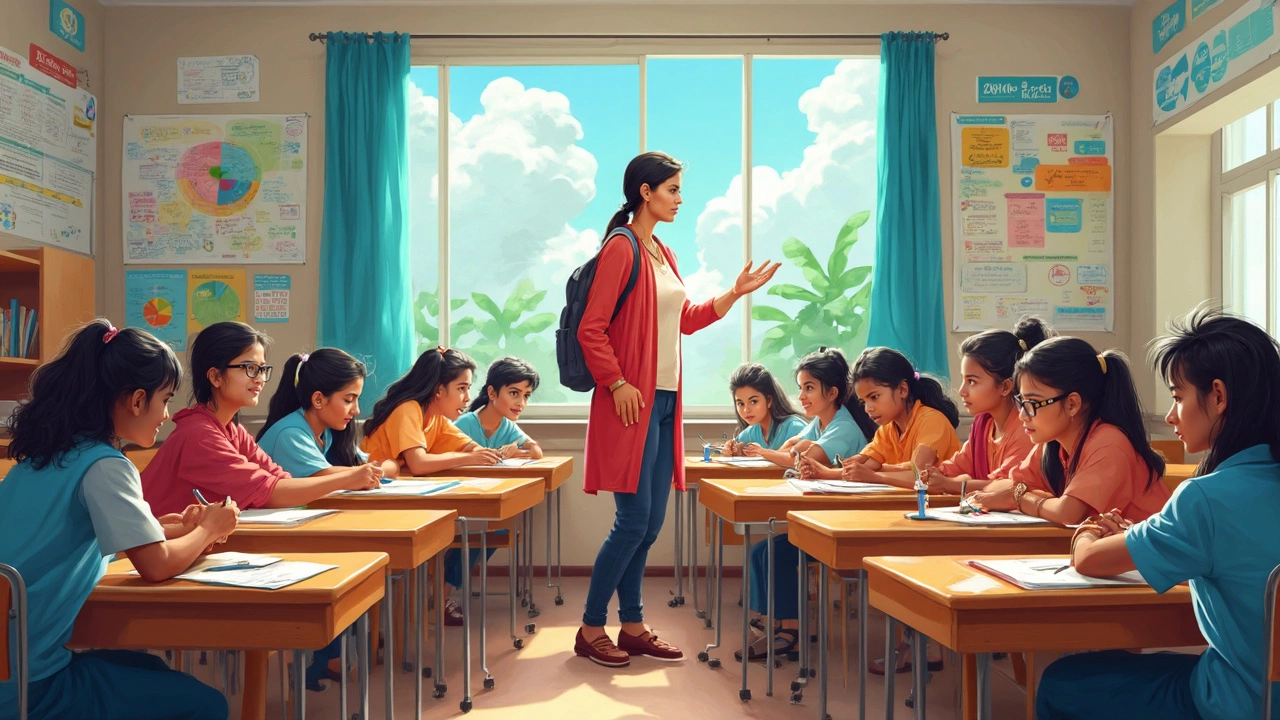
Understanding the 12th Class Degree in India
In India, completing the 12th class is a significant educational milestone, commonly referred to as a Senior Secondary Certificate. This certification opens doors to higher education and various career opportunities. It's crucial to understand how it's structured under the CBSE syllabus and its recognition compared to other educational boards. Knowing the pathways available post-certification can guide students and parents in planning future academic pursuits.