CBSE Enrollment: How It Works and What You Need to Know
When you think about CBSE enrollment, the official process through which students register for schools affiliated with the Central Board of Secondary Education in India. It's not just paperwork—it's the first step in a system that affects over 20 million students every year. Whether you're a parent starting kindergarten, a student switching schools, or a teacher helping with admissions, understanding how CBSE enrollment works saves time, stress, and confusion.
CBSE, a national education board that sets curriculum standards and conducts exams for schools across India and abroad. Also known as the Central Board of Secondary Education, it doesn’t run schools directly but certifies and oversees them. This means every school that wants to offer CBSE curriculum must follow strict enrollment rules set by the board. These rules cover everything from age eligibility for Class I to transfer certificates for students moving between states. Schools must submit enrollment data through the CBSE Affiliation Portal, the official online system where schools register new students and update records each academic year. Missing deadlines or submitting incomplete forms can delay admission or even affect exam eligibility later on.
CBSE enrollment isn’t just about filling forms—it’s tied to bigger things like school affiliation, the legal status a school earns to offer CBSE curriculum and conduct board exams. Without proper affiliation, a school can’t legally enroll students under CBSE. Parents often don’t realize this: if a school claims to be "CBSE" but isn’t officially affiliated, your child won’t be eligible for Class X or XII board exams. Always check the CBSE website for the current list of affiliated schools before enrolling.
Enrollment timelines vary by state and school type, but most schools open admissions between January and March for the next academic year. Private schools often have earlier deadlines than government-aided ones. For students transferring mid-year, the process requires a valid Transfer Certificate from the previous school and proof of prior enrollment—something many families overlook until it’s too late.
CBSE enrollment also connects to digital systems like the National Education Policy 2020, India’s major education reform that pushes for digitized student records and seamless transitions between school levels. While full implementation is still rolling out, more schools are moving toward online enrollment portals, reducing paperwork and making it easier to track student progress across grades.
What you’ll find in the posts below are real stories and practical guides—from parents who navigated CBSE enrollment for the first time, to teachers who’ve seen the same mistakes happen year after year. You’ll learn how to avoid common enrollment errors, what documents actually matter, and how to prepare for the transition from one grade to the next under CBSE rules. No theory. No fluff. Just what works when you’re trying to get your child into the right school at the right time.
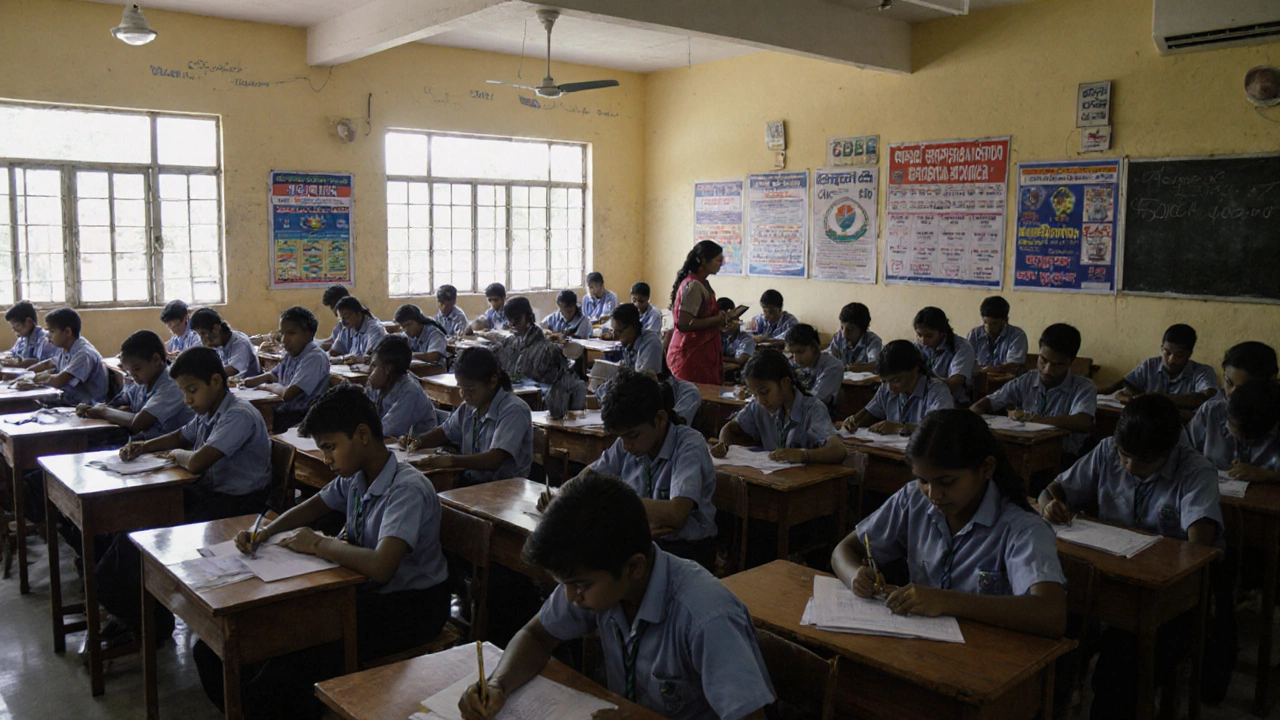
How Many Students Are There in CBSE Board in India?
CBSE serves over 2.5 crore students in India and abroad, making it the largest school board in the country. Learn why enrollment is growing, how it compares to other boards, and what’s changing in 2025.