Civil Service in India: How to Get Hired, What It Takes, and Real Paths to Success
When you think of civil service, the system of government jobs that run India’s administration, from district offices to central ministries. Also known as public service, it’s not just a job—it’s a role that shapes how laws are enforced, schools are run, and villages get electricity. Every year, over 10 lakh people apply for the UPSC Civil Services Exam, but only about 800 get selected. That’s less than 0.1%. It’s not about luck. It’s about strategy, persistence, and knowing what actually matters.
The UPSC, India’s Union Public Service Commission, the body that designs and runs the civil service exam. Also known as Union Public Service Commission, it doesn’t just test memory. It tests how you think—about economics, ethics, governance, and current events. The exam has three stages: Prelims, Mains, and the Interview. Most people fail not because they’re not smart, but because they study the wrong things. You don’t need to read every book. You need to know which chapters show up every year, which topics are easy marks, and how to write answers that stand out.
And it’s not just about the exam. The real challenge starts after you clear it. Your first posting could be in a remote district with no internet, or a busy city office with 14-hour days. You’ll deal with corruption, public anger, and bureaucratic red tape. But you’ll also be the one who fixes a broken water pump, approves a scholarship, or stops a land grab. That’s the power—and the weight—of civil service.
People who make it don’t all come from elite colleges. Some are farmers’ kids who studied by candlelight. Others are former engineers or teachers who quit their jobs after years of preparation. One woman in Bihar cleared the exam after her husband died, studying while raising two kids. Another man in Rajasthan passed on his third try, working as a tutor during the day and writing answers at night. Their stories aren’t rare. They’re the norm.
The public service jobs, roles in government that serve the public directly, from block development officers to tax collectors. Also known as government service, they aren’t just about the IAS. There’s IPS, IFS, IRS, and dozens of state-level services. Each has different demands. Some need fieldwork. Others need policy analysis. Some pay better. Others give more freedom. Knowing the difference matters before you start preparing.
What you’ll find in the posts below are real stories and practical guides: how to pick the right coaching (or skip it entirely), what to study first in a 12-month plan, how to handle the interview without sounding rehearsed, and why some people succeed even when they’re not the top scorers. You’ll see how local government jobs in India are different from UPSC posts, and how someone with no background in politics can still rise through the system. There’s no magic formula. But there are proven steps—and people who’ve walked them.
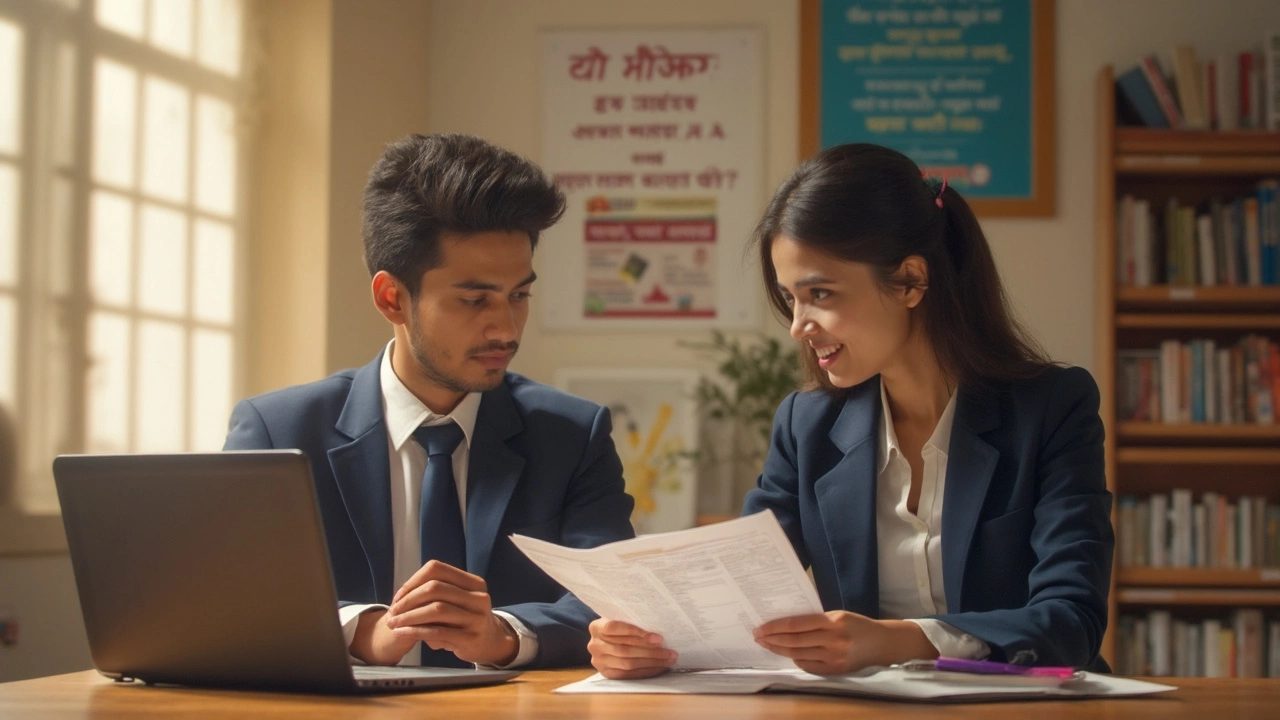
Government Jobs: How to Get Started Fast
Thinking about working in government? This article explains how to kick off your journey into public sector jobs, from finding the right fit to surviving the application process. Get real advice on essential documents, prepping for tests and interviews, and what to expect on the job. It covers tips for first-timers and those switching careers alike. Whether you’re after stability or want to make a difference, you’ll find steps to help you land your first government gig.