Distance Education Disadvantages: What No One Tells You About Online Learning in India
When you think of distance education, a system where learners study remotely without regular in-person classes, often using digital platforms. Also known as online learning, it’s become the default for millions of students across India—from rural villages to metro cities. But behind the convenience and flexibility lies a set of problems most guides ignore. It’s not just about poor internet or lack of devices. The real issues are deeper: isolation, inconsistent quality, and systems designed for scale, not for real learning.
One major eLearning platform, a digital environment used to deliver courses remotely, often without human interaction beyond videos and quizzes might look polished, but if it doesn’t adapt to how students actually learn, it fails. Think of a student in a small town trying to follow a course designed for urban classrooms. No one checks if they can even open the files. No one asks if they have a quiet space to study. The remote education, learning that happens outside a physical classroom, relying on technology to bridge the gap system assumes motivation and access are universal. They’re not. In India, where over 60% of households in rural areas still struggle with stable electricity, calling this "education" feels like a stretch.
Then there’s the lack of feedback. In a traditional classroom, a teacher notices a student zoning out. They ask a question. They adjust. In distance education, that’s rare. A student watches a 45-minute video on NEET preparation, the process of studying for India’s national medical entrance exam, often done through online coaching or self-paced modules and never gets a single reply to their confusion. The system treats learners like data points, not people. That’s why so many students who start online courses never finish. It’s not laziness—it’s design.
And what about the teachers? Many are stretched thin, forced to manage hundreds of students across multiple platforms. They don’t have time to personalize lessons or offer real support. This isn’t innovation—it’s burnout dressed up as progress. Even the best interactive eLearning, courses designed with real engagement tools like choices, feedback loops, and micro-interactions to keep learners involved can’t fix a system built on speed, not substance.
Yes, distance education made learning possible during lockdowns. But now that it’s here to stay, we can’t pretend it works the same for everyone. The gaps aren’t technical—they’re human. And until we fix those, no app, no video, no quiz will make up for the silence in the learning process.
Below, you’ll find real stories and data from students, teachers, and experts who’ve seen these problems up close. No theory. No fluff. Just what’s actually happening in India’s online classrooms—and how to spot the warning signs before it’s too late.
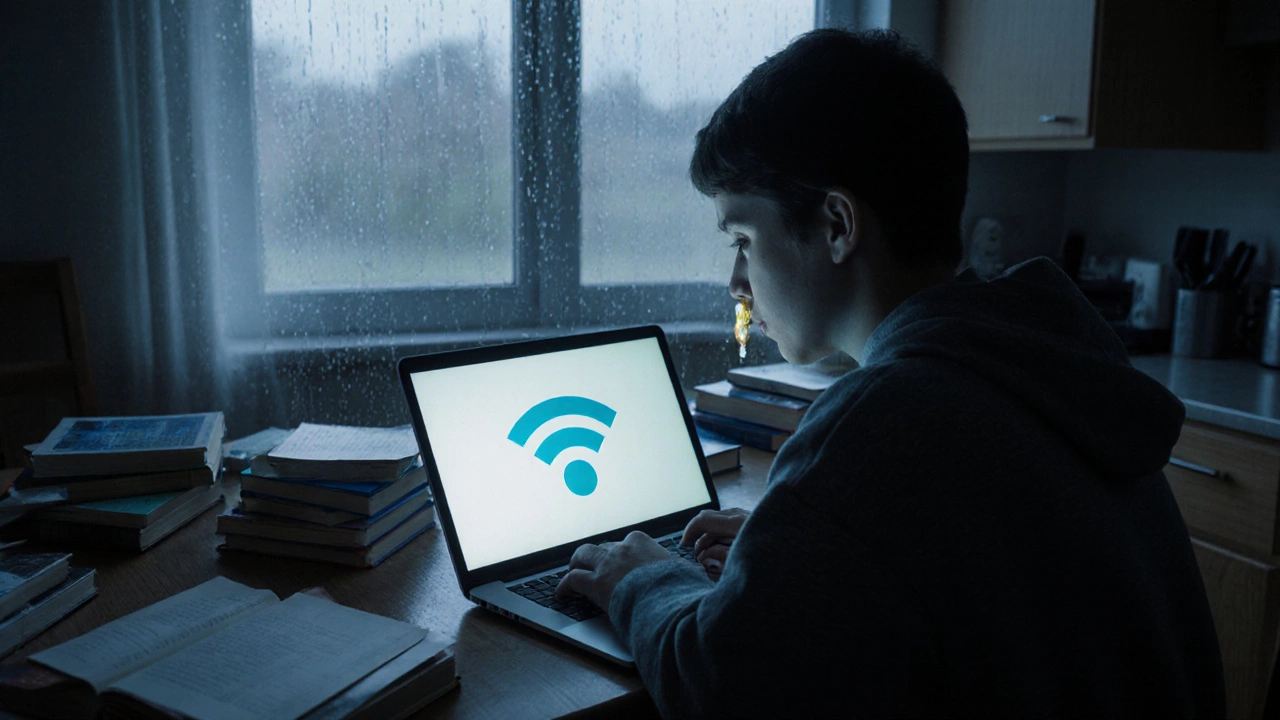
What Are the Real Disadvantages of Distance Education?
Distance education offers flexibility but comes with real challenges: isolation, tech barriers, lack of hands-on training, employer skepticism, and unfair assessments. Learn the hidden downsides before enrolling.