e-learning downsides: What No One Tells You About Online Learning
When you think of e-learning, a method of delivering education through digital platforms, often without physical classrooms. Also known as online learning, it digital education, it promises flexibility, low cost, and access to anything you want to learn. But behind the polished interfaces and endless course listings, there’s a quieter truth: e-learning downsides are real, and they hit harder than most admit.
Many people assume that if you have a laptop and an internet connection, learning just happens. It doesn’t. The biggest problem isn’t the tech—it’s the lack of structure. Without a teacher walking around, a classroom bell, or classmates around you, motivation crumbles fast. A study from Stanford found that over 70% of online learners drop out within the first month—not because the material was too hard, but because they felt alone. This isn’t just about willpower. It’s about human nature. We learn better when we’re watched, questioned, and pushed. Online courses rarely offer that. And when you’re stuck on a concept with no one to ask, frustration builds. That’s why so many learners end up watching videos without taking notes, or finishing modules without retaining a single thing.
Then there’s the engagement gap. Interactive eLearning isn’t just adding quizzes to a video. Real engagement means feedback loops, real choices, and consequences that matter. Most platforms skip this. They offer drag-and-drop exercises that feel like games, but don’t connect to real skills. You finish a module, get a badge, and move on—without ever applying what you learned. This is why self-taught coders often struggle to get hired: they’ve taken ten courses but never built anything real. The same goes for NEET aspirants who rely only on online lectures. Without practice tests, peer discussions, or mentor feedback, they’re just memorizing, not understanding.
And let’s not forget the hidden costs. Time. Mental energy. The pressure to be self-disciplined when your home is also your office, your classroom, and your escape. People over 50 learning to code, or students preparing for CBSE exams from their bedrooms, aren’t just fighting bad Wi-Fi—they’re fighting burnout. The myth that online learning is easier? It’s the opposite. It demands more from you because no one’s holding your hand.
What you’ll find below isn’t a list of complaints. It’s a collection of real experiences—from people who’ve been through it, failed at it, and figured out how to make it work. You’ll see how some learners beat the isolation, how others turned boring modules into active practice, and why some gave up—and came back stronger. These aren’t theory pieces. They’re maps drawn by people who walked the same path.
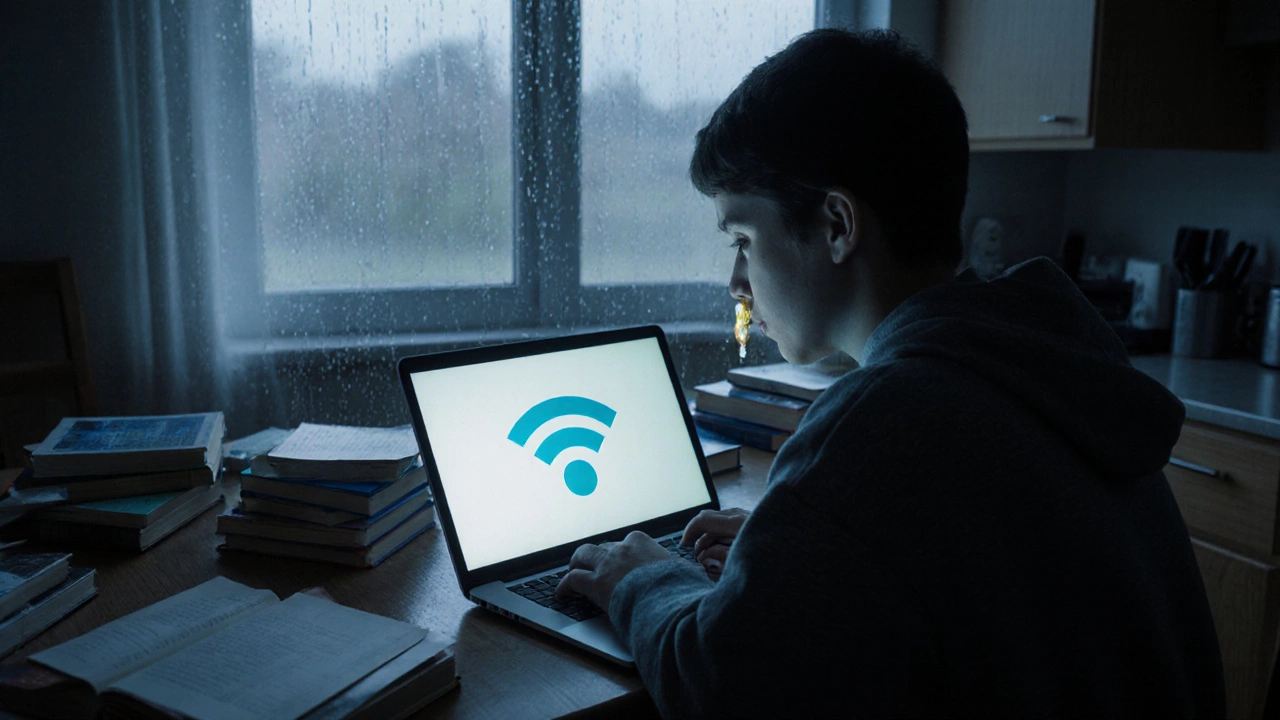
What Are the Real Disadvantages of Distance Education?
Distance education offers flexibility but comes with real challenges: isolation, tech barriers, lack of hands-on training, employer skepticism, and unfair assessments. Learn the hidden downsides before enrolling.