eLearning platforms in India: What works, what doesn’t, and who’s using them
When you think of eLearning platforms, digital systems that deliver education over the internet, often without live teachers. Also known as online learning platforms, they’re no longer optional—they’re the backbone of how millions in India study today. Whether you’re a 16-year-old preparing for NEET, a 50-year-old learning to code, or a teacher trying to keep up with digital tools, eLearning platforms are where the action is. But not all platforms are built the same. Some feel like digital classrooms with real support. Others? Just video recordings with no feedback, no interaction, and no real learning.
What makes one platform work and another fail? It’s not just the tech. It’s the design. The best ones follow the four stages of eLearning, Analysis, Design, Development, and Implementation—the real process behind effective online courses. Most Indian platforms skip the first two. They record lectures and call it a day. But the ones that succeed? They analyze what students struggle with, design lessons around those gaps, build interactive quizzes, and then actually implement support—like forums, live doubt sessions, or progress tracking. That’s why Google Classroom, Skillshop, and top NEET coaching platforms are growing fast. They don’t just deliver content. They create learning experiences.
And who’s using these platforms? Not just students. Parents are buying subscriptions. Teachers are switching from chalkboards to LMS dashboards. Even government schools are testing them. But here’s the catch: access isn’t equal. In rural India, slow internet kills the experience. In cities, the problem is choice overload. Too many platforms. Too many promises. The real winners? Those that focus on one thing: helping you finish something. A certification. A chapter. A project. That’s why self-taught coders are thriving on platforms that give them real projects to build—not just theory. And why NEET toppers rely on platforms that track their weak topics and push targeted practice.
Distance education has downsides—loneliness, tech issues, lack of hands-on training—but the best eLearning platforms don’t ignore them. They fix them. They add peer groups. They offer offline downloads. They design for low bandwidth. They make assessments fair. The posts below show you exactly which platforms deliver on these promises—and which ones just look good on a brochure. You’ll see real data on what’s working in 2025, from Google’s free tools to the coaching giants dominating NEET prep. No fluff. Just what helps you learn, stick with it, and actually get results.
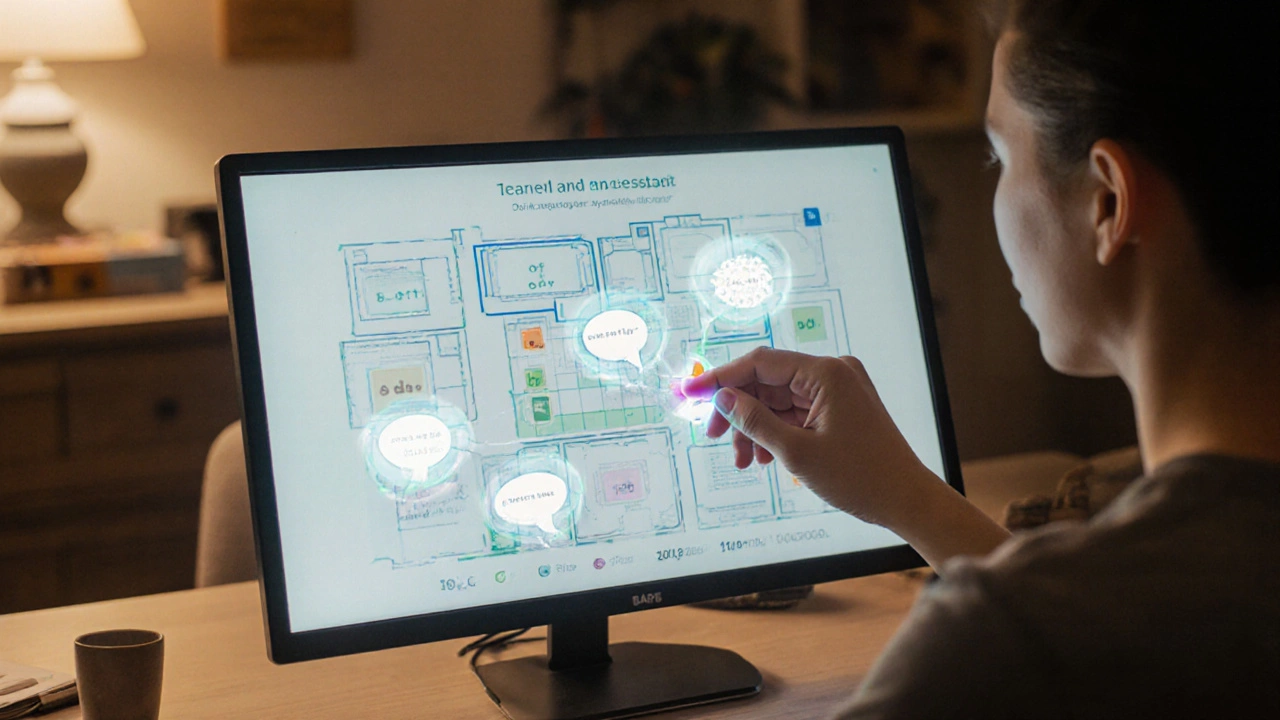
How to Create an Interactive eLearning Course That Actually Keeps Learners Engaged
Learn how to build interactive eLearning that actually engages learners using real choices, feedback, and micro-interactions-not just videos and quizzes. Start with simple tools and focus on what learners do, not just what they see.