Home Coding Resources: Free Tools, Learning Paths, and Real Success Stories
When you're learning to code at home, you're not just picking up a skill—you're building a new way to solve problems, earn income, or even change careers. Home coding resources, free or low-cost tools and guides that let you learn programming outside a classroom. Also known as self-directed coding learning, these resources are what make it possible for someone with no degree to land a job in 2025. The best ones don’t overwhelm you with theory. They give you something to build, right away—like a simple website, a calculator app, or a script that organizes your files. That’s how real learning starts.
What makes home coding work isn’t the platform—it’s the self-taught coder, someone who learns programming through practice, not lectures. Also known as independent learner, this person doesn’t wait for permission. They use free tools like Google Digital Garage, a free platform offering beginner-friendly coding and digital skills courses, or Python, a simple, readable programming language often recommended for first-time coders. They follow YouTube tutorials, join Reddit communities, and build small projects until something clicks. And it does—because over 50% of developers hired in 2025 didn’t graduate with a computer science degree. They built portfolios. They showed their work. And that’s what matters. You don’t need a fancy laptop, a paid course, or a mentor with a PhD. You need consistency. A quiet corner. And the willingness to get stuck, then figure it out.
Some people think coding is for kids or tech grads. But real stories show otherwise. People over 50 are learning JavaScript to build websites. Parents are using free platforms to teach themselves Python while their kids sleep. Others quit jobs to become freelancers after spending just six months on home coding resources. The path isn’t linear. It’s messy. You’ll hit walls. You’ll copy code you don’t fully understand. That’s normal. What separates those who succeed is not talent—it’s the habit of showing up, even when it’s frustrating.
Below, you’ll find real guides on what to learn first, how to build a portfolio without a degree, what salaries you can expect, and how to stay motivated when no one is watching. These aren’t theory-heavy articles. They’re maps drawn by people who’ve walked the same path. Whether you’re 16 or 60, whether you’ve never typed a line of code or you’ve tried and failed before—this collection is for you. Start where you are. Use what you have. Do what you can.
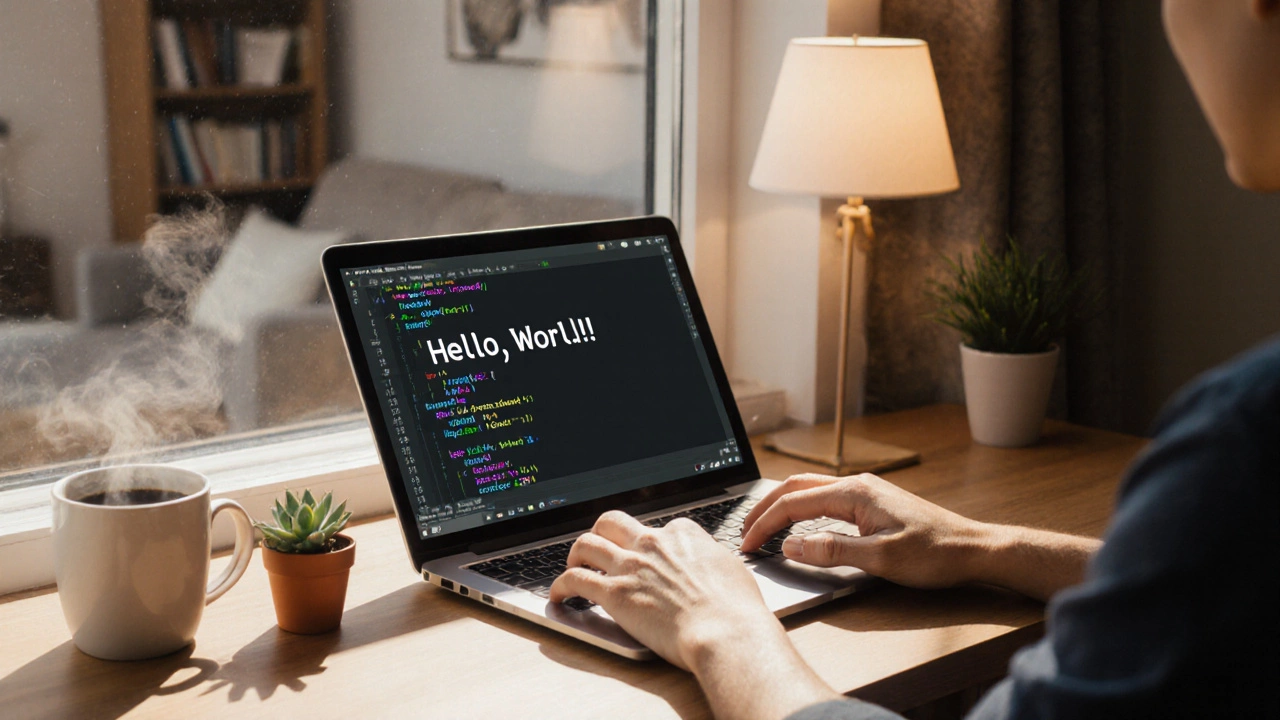
Can I Learn Programming at Home? A Complete Guide to Self‑Taught Coding
Learn how to teach yourself programming at home with a step‑by‑step guide, resource comparison, routine tips, and ways to stay motivated.