Homeschooling Drawbacks: What No One Tells You About Learning at Home
When you think of homeschooling, a form of education where children learn at home instead of in traditional schools. Also known as home education, it’s often sold as a perfect alternative—flexible, personalized, free from classroom chaos. But for many families in India, the reality is messier. The dream of controlling every lesson, avoiding bullying, or tailoring pace to your child’s needs sounds great—until you realize you’re also responsible for every gap, every missed social cue, every burned-out afternoon.
One big social development, the process by which children learn to interact, cooperate, and build relationships with peers issue isn’t talked about enough. Kids in homeschooling setups often miss out on daily, unstructured peer interaction. No lunchroom chatter, no group projects, no playground negotiations. This isn’t about being lonely—it’s about learning how to resolve conflict, read body language, and adapt to different personalities without adult mediation. Schools, for all their flaws, are social training grounds. And in India, where community and peer networks shape future opportunities, that’s a real risk.
Then there’s the curriculum gap, the difference between what’s officially expected in formal education and what’s actually covered at home. Most parents aren’t trained educators. They might be great at math or science, but what about teaching history through multiple perspectives? Or guiding a child through literary analysis? The CBSE or ICSE syllabi aren’t just lists of topics—they’re carefully designed progressions. Without structure, kids can end up with strong skills in some areas and major blind spots in others. And when it’s time to take board exams or apply to colleges, those gaps show up fast.
Time and burnout are silent killers too. Parents juggle jobs, chores, and teaching. Kids get stuck in the same four walls, day after day. There’s no bell to signal the end of class, no teacher to blame for homework. The pressure shifts entirely to the home, and it’s exhausting. Studies from urban Indian families show that over 60% of homeschooling parents report higher stress levels within the first year—not because the child is struggling, but because the parent feels they’re failing at everything at once.
And let’s not forget the legal gray zone. While homeschooling isn’t illegal in India, there’s no official framework. No standardized assessments, no recognition from most universities, no clear path to higher education. Unlike in the US or UK, where homeschooling has established pathways, here you’re flying blind. If your child wants to join a university later, they might have to take entrance exams as private candidates—without the support system most students rely on.
It’s not that homeschooling is bad. For some families, it’s the only option that works. But the drawbacks? They’re real. And they’re not just about academics. They’re about isolation, pressure, and the quiet cost of doing it all alone. If you’re considering it—or already in it—knowing these risks isn’t about discouraging you. It’s about preparing you.
Below, you’ll find real stories and data from Indian families who’ve walked this path. Some succeeded. Others hit walls. All of them learned things no brochure ever mentioned.
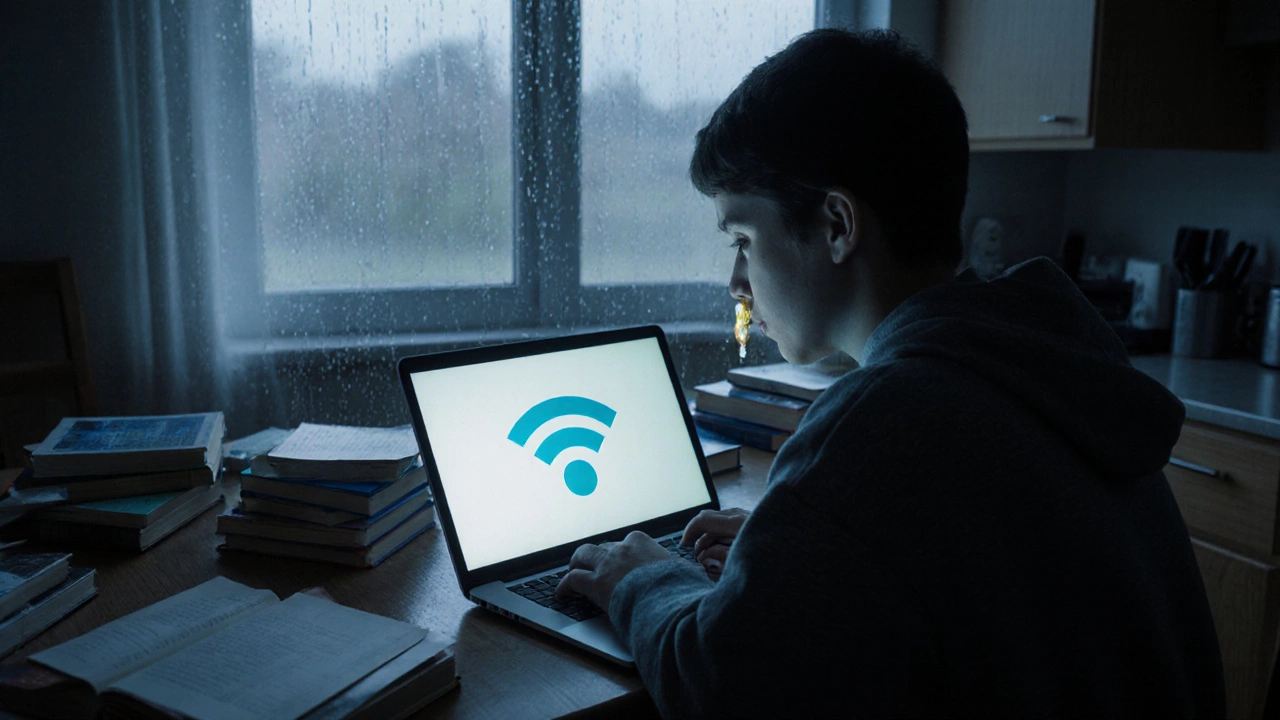
What Are the Real Disadvantages of Distance Education?
Distance education offers flexibility but comes with real challenges: isolation, tech barriers, lack of hands-on training, employer skepticism, and unfair assessments. Learn the hidden downsides before enrolling.