ICSE Board: What Makes It Different from CBSE and Other Indian School Systems
When it comes to school education in India, the ICSE board, a national-level board of education governed by the Council for the Indian School Certificate Examinations, known for its comprehensive curriculum and focus on English language proficiency. Also known as CISCE, it’s one of the most respected and rigorous boards in the country, especially for families prioritizing strong communication skills and conceptual understanding over rote memorization. Unlike CBSE, which leans heavily toward science and engineering prep for competitive exams, the ICSE board spreads its focus across languages, arts, sciences, and practical subjects—giving students a broader academic foundation.
The ICSE syllabus, a detailed, year-long curriculum that includes mandatory English literature, a second language, and a wide range of electives like environmental science and computer applications is noticeably more extensive than CBSE’s. Students under ICSE often study more chapters, write longer answers, and face exams that test analytical writing—not just recall. This makes it a natural fit for those aiming for international universities or careers in law, media, or humanities. Meanwhile, the CBSE board, the largest school board in India, designed with a streamlined structure to support JEE and NEET preparation prioritizes efficiency and exam-focused learning. The contrast isn’t about which is better—it’s about which aligns with your child’s goals. ICSE doesn’t push for IIT JEE as aggressively; instead, it builds thinkers. IB, on the other hand, mirrors ICSE’s global outlook but with even more project-based learning and international assessment standards.
Parents often ask: Is ICSE harder? The answer isn’t simple. It’s not necessarily harder in content depth, but it’s heavier in workload. A single ICSE English paper can include poetry analysis, prose comprehension, grammar, and creative writing—all in one go. Science subjects demand detailed explanations, not multiple-choice shortcuts. And while CBSE students might spend hours solving 50 MCQs, ICSE students are writing paragraphs on photosynthesis or the structure of a sonnet. This difference shapes how students think, how they study, and ultimately, how they perform beyond school.
What you’ll find in this collection are real comparisons, student experiences, and practical insights into how the ICSE board fits into India’s larger education landscape. From how it stacks up against CBSE in college admissions, to why some families switch boards after Class 8, to what skills ICSE students actually carry into university—these posts cut through the noise. No fluff. Just what matters for students, teachers, and parents trying to make sense of India’s school system.
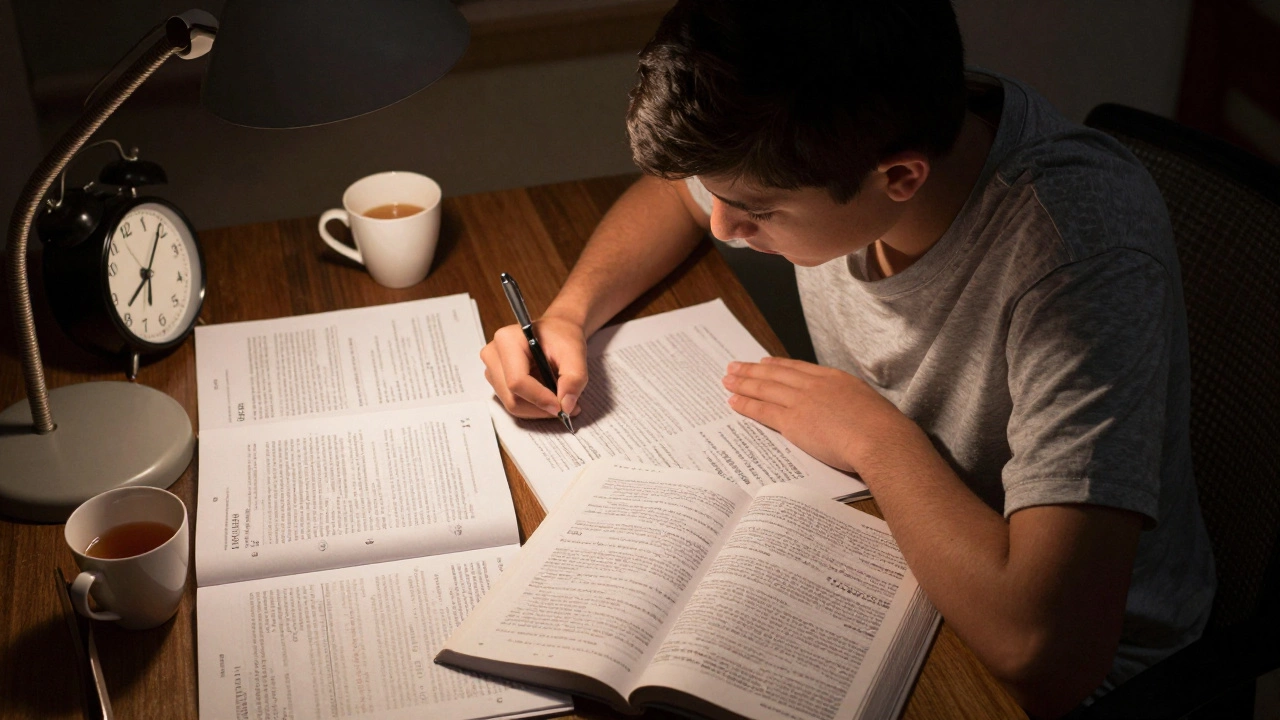
Which Are the Two Toughest School Boards in India?
ICSE and ISC are widely regarded as the two toughest school boards in India due to their in-depth syllabi, emphasis on English, and analytical exam patterns. Unlike CBSE, they demand critical thinking over rote learning.