India education: What really shapes learning in Indian schools and colleges
When we talk about India education, the complex, layered system that guides how over 250 million students learn across urban classrooms and rural schools. Also known as Indian schooling system, it’s not one system—it’s dozens of boards, thousands of coaching centers, and millions of families making high-stakes choices every year. This isn’t just about textbooks and exams. It’s about who gets access, who gets left behind, and what ‘success’ really means in a country where a single exam can change a life.
The CBSE, the largest school board in India, serving over 2.5 crore students sets the pace for millions. But CBSE isn’t the whole story. In cities like Kota, the real battleground is the IIT JEE, the brutal entrance exam that determines who gets into India’s top engineering schools. Meanwhile, in homes across Tamil Nadu, Bihar, and Uttar Pradesh, parents are prepping kids for the NEET, the medical entrance exam where biology carries half the weight and competition is fiercer than ever. These aren’t just tests—they’re filters that decide futures.
And then there’s the quiet side of India education—the one that doesn’t make headlines. It’s the student learning Python from a phone in a village, the 50-year-old switching careers into coding, the parent choosing between offline coaching and online classes because they can’t afford the fees. It’s the person stuck in a distance education program because local colleges don’t offer the course, or the one wondering if their self-taught skills will ever be taken seriously. These stories aren’t exceptions. They’re the new normal.
What you’ll find here isn’t theory. It’s the real data, the raw experiences, and the practical breakdowns of what actually works in India’s education landscape. Whether you’re a student weighing your next move, a parent trying to make sense of coaching options, or someone wondering if it’s too late to start over—this collection gives you the facts without the fluff.
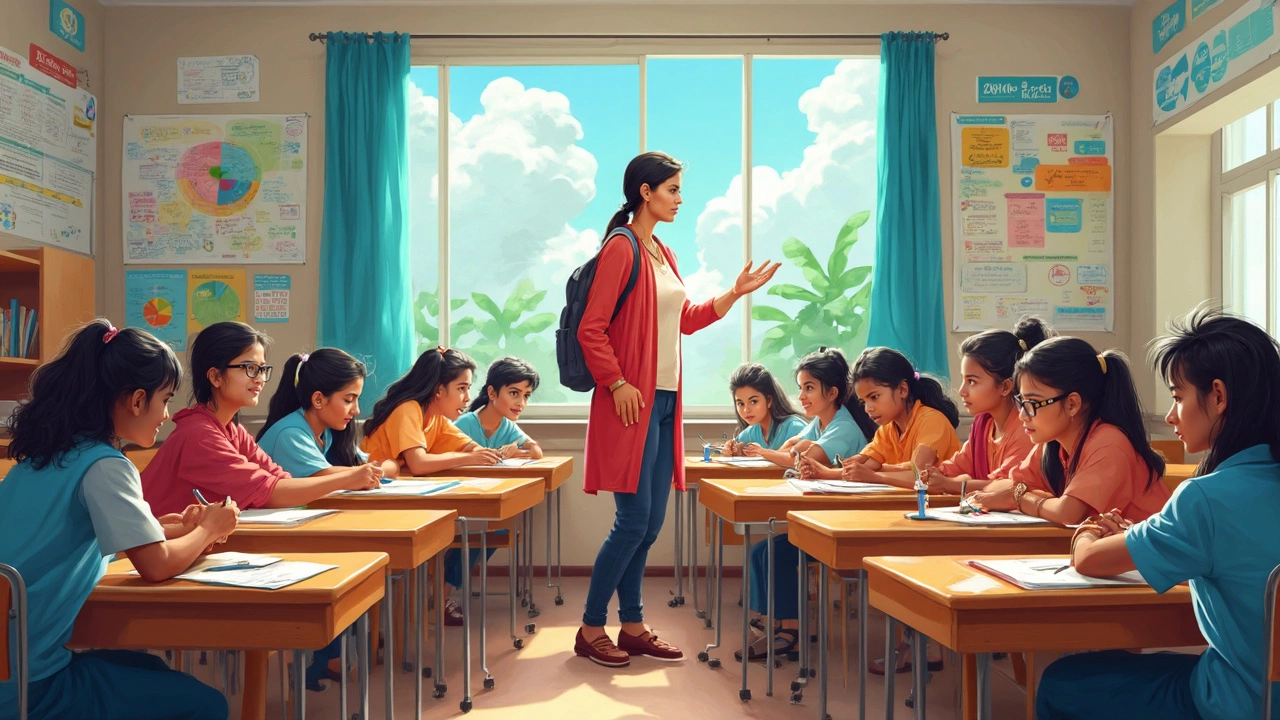
Understanding the 12th Class Degree in India
In India, completing the 12th class is a significant educational milestone, commonly referred to as a Senior Secondary Certificate. This certification opens doors to higher education and various career opportunities. It's crucial to understand how it's structured under the CBSE syllabus and its recognition compared to other educational boards. Knowing the pathways available post-certification can guide students and parents in planning future academic pursuits.