Indian school students: What they face, how they learn, and what works
When we talk about Indian school students, millions of children enrolled in India’s public and private school systems, from rural villages to metro cities. Also known as school-going children in India, they’re part of one of the largest education systems in the world—facing pressures, expectations, and structural challenges that shape their entire future. Many of them are preparing for exams like NEET, the National Eligibility cum Entrance Test for medical admissions or IIT JEE, the joint entrance exam for India’s top engineering institutes, often starting as early as class 8. These aren’t just tests—they’re life-defining milestones that dictate which coaching institute they join, how many hours they study daily, and whether they’ll even get to choose their own path.
The system they’re in isn’t one-size-fits-all. A student in a government school in Bihar might be learning from a single teacher handling five grades at once, while a peer in Delhi could be attending daily coaching sessions for IIT JEE after school. CBSE, the Central Board of Secondary Education, which governs curriculum for millions of students across India sets the baseline, but real learning often happens outside the classroom. Coaching centers, YouTube tutors, and online platforms have become unofficial extensions of the school system. At the same time, distance education is growing—not because it’s preferred, but because many students have no other option. The disadvantages? Isolation, lack of hands-on labs, and teachers who never see their faces. Yet, for some, it’s the only way to keep studying.
What do Indian school students really need? Not just more books or longer hours. They need clarity on what matters most—like knowing that biology makes up half of NEET, or that coding jobs don’t require a degree, just proof you can build something. They need to know who the top NEET teachers are, which coaching institutes actually produce results, and how to memorize faster without burning out. They need to understand if the American syllabus is easier than CBSE, or if switching to online learning helps or hurts. And they need to know they’re not alone—thousands of others are grinding through the same system, trying to find their way.
Below, you’ll find real stories, data-driven breakdowns, and practical guides written by people who’ve been through it. Whether you’re a student trying to survive class 12, a parent wondering how to help, or a teacher looking for better ways to teach, these posts cut through the noise. No fluff. No theory. Just what works—for Indian school students, right now.
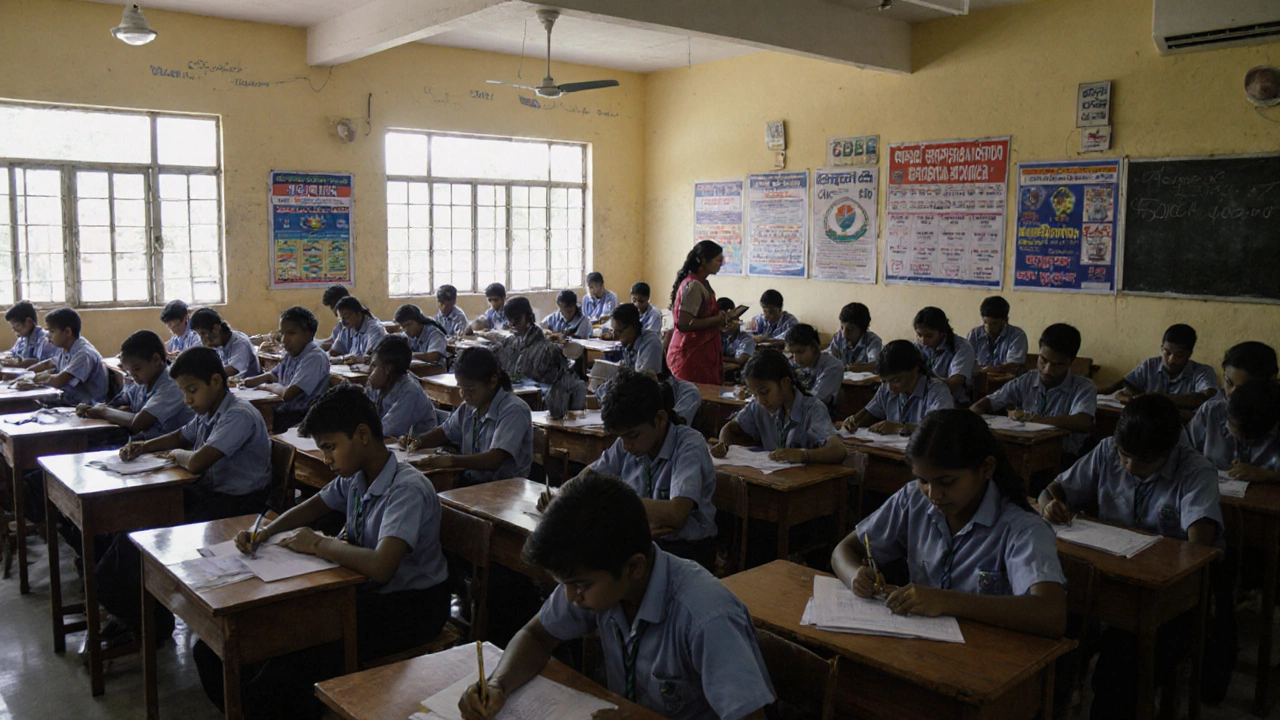
How Many Students Are There in CBSE Board in India?
CBSE serves over 2.5 crore students in India and abroad, making it the largest school board in the country. Learn why enrollment is growing, how it compares to other boards, and what’s changing in 2025.