Indian schooling: What really shapes how students learn in India
When we talk about Indian schooling, the system of primary and secondary education across India, shaped by national boards, regional policies, and intense competition. Also known as school education in India, it’s not a single path—it’s a network of choices that define a student’s future before they even turn 18. From the classrooms of rural Uttar Pradesh to the coaching centers of Kota, the experience varies wildly. But one thing stays the same: the pressure to perform. Whether it’s cracking the CBSE board, India’s largest school examination board serving over 2.5 crore students or preparing for the NEET, the national medical entrance exam that determines who gets into medical college, the stakes are high. And for those aiming for engineering, the IIT JEE coaching, the intense, year-long preparation system that feeds India’s top engineering institutes becomes a second home.
Indian schooling isn’t just about textbooks. It’s about survival in a system where one exam can rewrite your life. Many students spend years in coaching centers, skipping vacations, trading hobbies for practice papers. Others rely on online learning, struggling with slow internet or no access to tutors. Distance education is growing, but it’s not a smooth ride—many drop out because they’re alone, unsupported, or don’t trust online assessments. Meanwhile, the CBSE board keeps evolving, trying to reduce rote learning, but in practice, students still memorize to survive. The system rewards consistency over creativity, and scores over curiosity. Yet, it’s not all rigid. Some schools are experimenting with project-based learning. Some parents are choosing alternative paths. And more students are proving you don’t need a top rank to build a meaningful career.
What you’ll find here aren’t abstract theories. These are real stories, hard numbers, and practical breakdowns from the front lines of Indian schooling. You’ll see how many students are actually in CBSE, why NEET biology is the make-or-break subject, how coaching institutes track success rates, and what happens when someone tries to learn coding at home without a degree. This isn’t about what the system should be. It’s about what it is—and how real people navigate it every day.
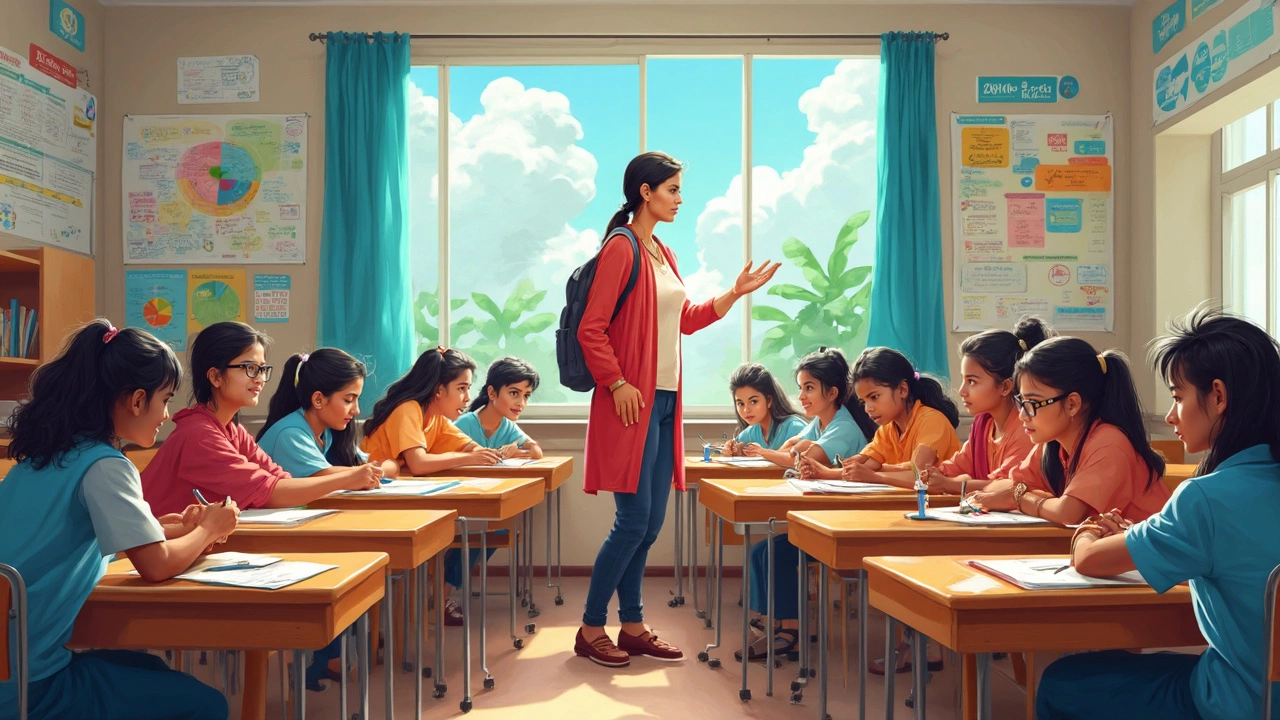
Understanding the 12th Class Degree in India
In India, completing the 12th class is a significant educational milestone, commonly referred to as a Senior Secondary Certificate. This certification opens doors to higher education and various career opportunities. It's crucial to understand how it's structured under the CBSE syllabus and its recognition compared to other educational boards. Knowing the pathways available post-certification can guide students and parents in planning future academic pursuits.