Interactive eLearning: What It Is and How It Works in India
When we talk about interactive eLearning, a form of digital education where learners actively engage with content through quizzes, simulations, discussions, and real-time feedback. It’s not just watching videos or reading PDFs—it’s doing, responding, and learning by doing. This is the kind of learning that sticks. Unlike passive online courses, interactive eLearning pulls you in. You click, you answer, you try again. It’s how kids learn to code by building a game, how medical students practice surgeries in virtual labs, and how teachers track who’s falling behind before the next lesson.
Interactive eLearning eLearning stages, the structured process of designing online courses that actually work—Analysis, Design, Development, Implementation—aren’t just theory. They’re what separate a boring online module from one that keeps you hooked. And it’s not just about tools. It’s about digital education, the broader shift from traditional classrooms to tech-powered learning environments. In India, where internet access is growing fast but teacher shortages remain, this isn’t a luxury—it’s a necessity. Schools and coaching centers are turning to interactive platforms because they scale. One teacher can reach thousands, and students can learn at their own pace, revisit hard topics, and get instant help.
But it’s not magic. Interactive eLearning only works when it’s designed right. If the quiz feels random, the simulation is clunky, or the feedback is vague, learners tune out. That’s why the best platforms focus on real-world tasks: solving problems, not memorizing facts. You’ll find examples of this in posts about how self-taught coders build portfolios, how NEET aspirants use spaced repetition to memorize biology, or how Google Classroom settings can make or break student engagement. Some of these tools are free. Others cost money. But the ones that work? They make you feel like you’re part of the lesson, not just watching it.
What you’ll find below isn’t a list of tools or apps. It’s a collection of real stories and data about how interactive eLearning is being used—sometimes well, sometimes poorly—across India. From students learning to code at home to teachers struggling with remote assessments, these posts show the truth behind the hype. You’ll see what’s working, what’s broken, and what you can do about it.
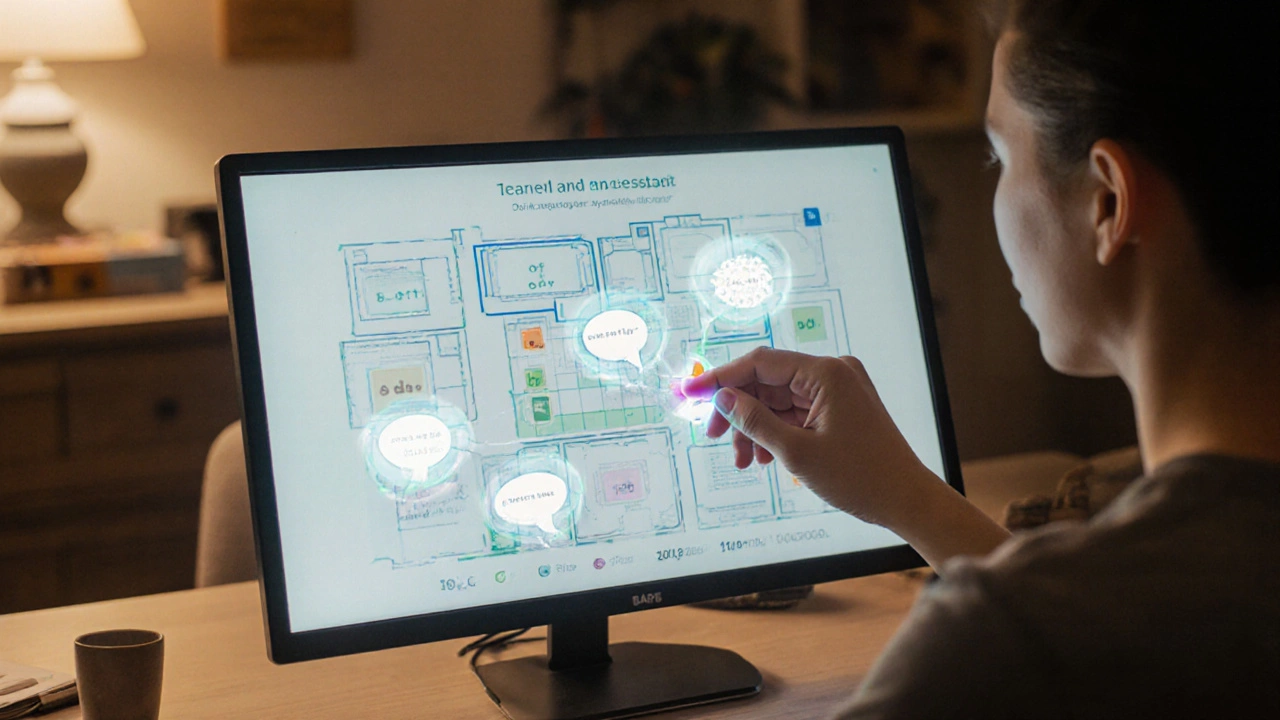
How to Create an Interactive eLearning Course That Actually Keeps Learners Engaged
Learn how to build interactive eLearning that actually engages learners using real choices, feedback, and micro-interactions-not just videos and quizzes. Start with simple tools and focus on what learners do, not just what they see.