ISC Board: What It Is, How It Compares, and What You Need to Know
When you hear ISC board, the Indian School Certificate board, a national-level examination body for Class 11 and 12 under the Council for the Indian School Certificate Examinations (CISCE). Also known as ICSE board, it’s the same organization that runs the ICSE exam in Class 10—but the ISC is where things get serious. Unlike CBSE, which pushes a standardized national curriculum, ISC gives schools more freedom to design courses with deeper focus on critical thinking, literature, and practical applications. This isn’t just another board. It’s the choice for families who want their kids to think before they memorize, write before they recite, and question before they copy.
Most people confuse ISC with CBSE or ICSE, but they’re not the same. ICSE, the Indian Certificate of Secondary Education, is the Class 10 version of the same system. ISC is the Class 12 upgrade—longer papers, tougher grading, and a heavier emphasis on English and humanities. Students taking ISC often end up in liberal arts, law, journalism, or design programs because the syllabus trains them to analyze, not just answer. Meanwhile, CBSE, the Central Board of Secondary Education, dominates India with over 2.5 crore students, but its structure is built for scale, not depth. CBSE leans into rote learning to handle massive numbers; ISC doesn’t have that luxury—and it shows in the results.
There’s a reason why top universities abroad prefer ISC transcripts. The board’s exams don’t just test memory—they test understanding. A biology paper might ask you to compare plant and animal cell mechanisms across ecosystems. A history question could demand you link colonial policies to modern economic gaps. You won’t find 100 multiple-choice questions here. You’ll find essays, case studies, and open-ended problems that force you to think like a student, not a machine.
Is it harder? Yes. Is it worth it? For many, absolutely. If you’re aiming for foreign universities, competitive humanities programs, or careers that value communication over calculation, ISC gives you a real edge. But it’s not for everyone. It demands discipline, strong reading habits, and the ability to handle long-term projects. If you’re planning to chase IIT JEE or NEET, you’ll quickly realize ISC doesn’t align with those exam patterns—those are CBSE’s playgrounds.
What you’ll find in this collection are real stories from ISC students who cracked top colleges, parents who switched boards after seeing the difference, and teachers who explain why ISC still matters in a world obsessed with quick results. You’ll see how it stacks up against IB, how it affects career paths, and why some students thrive here while others burn out. This isn’t about which board is better—it’s about which one fits your goals. And if you’re on the ISC path, you deserve to know exactly what you’re signing up for.
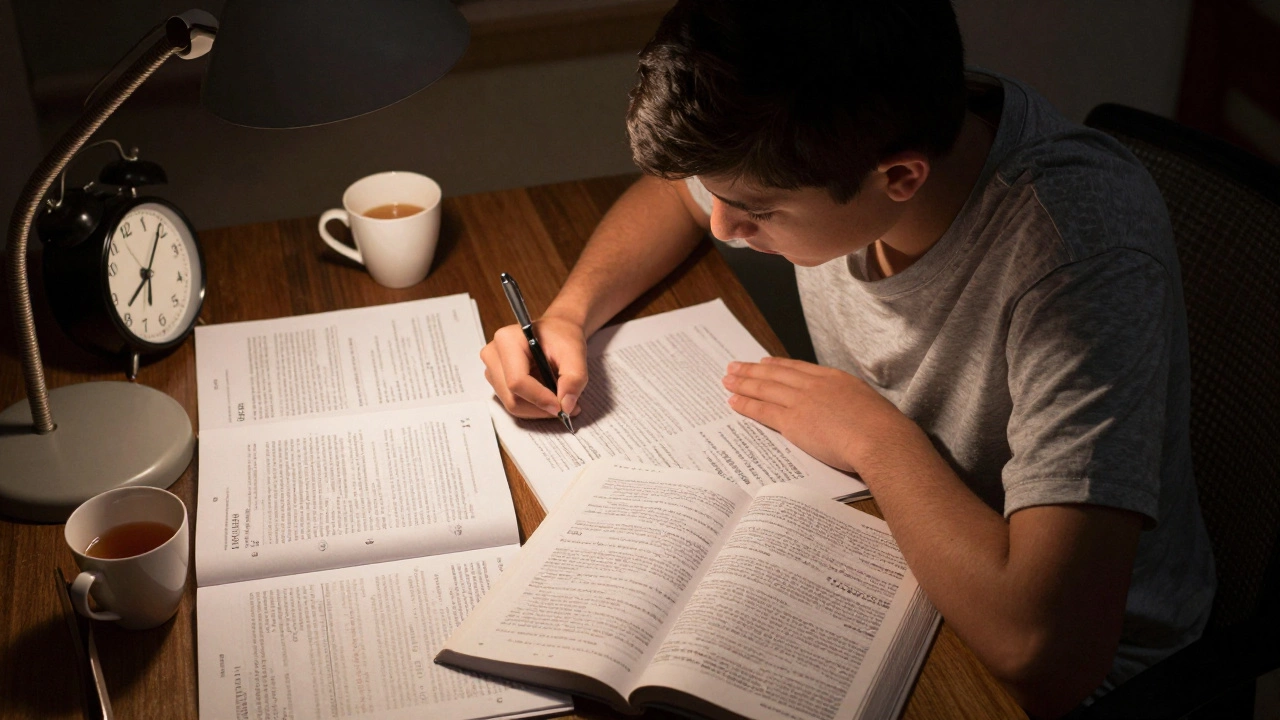
Which Are the Two Toughest School Boards in India?
ICSE and ISC are widely regarded as the two toughest school boards in India due to their in-depth syllabi, emphasis on English, and analytical exam patterns. Unlike CBSE, they demand critical thinking over rote learning.