Learn Programming at Home
When you learn programming at home, the process of acquiring coding skills independently, often using online resources and personal projects. Also known as self-taught coding, it’s no longer a backup plan—it’s the main path for thousands getting hired in 2025. You don’t need a campus, a tuition fee, or a four-year degree. All you need is a computer, internet, and the will to build something real.
People who learn programming at home, the process of acquiring coding skills independently, often using online resources and personal projects. Also known as self-taught coding, it’s no longer a backup plan—it’s the main path for thousands getting hired in 2025. You don’t need a campus, a tuition fee, or a four-year degree. All you need is a computer, internet, and the will to build something real.
Most who succeed start with Python, a beginner-friendly programming language known for simple syntax and wide use in web development, automation, and data. It’s the top pick because you can write a working script in under an hour. Or they pick JavaScript, the language that powers interactive websites and apps, used by nearly every company online. It’s the only language that runs directly in browsers, so you see results instantly. These aren’t just popular—they’re practical. You don’t study theory for months. You build a to-do list, then a weather app, then a small website. That’s how you learn.
Age doesn’t matter. One person started at 52, learned Python, built a tool to track his garden’s water usage, and got hired as a junior developer. Another dropped out of college, taught herself JavaScript from YouTube, and now earns more than her former boss. The common thread? They didn’t wait for permission. They didn’t wait for a certificate. They built something people could use.
Companies don’t ask for your diploma anymore—they ask for your GitHub. They want to see what you’ve made. That’s why coding jobs, roles that require writing, testing, and maintaining software code, often in web, mobile, or cloud environments. Also known as software development positions, they’re open to anyone who can show real work pay well and are growing fast. Entry-level roles start at $65,000 in places like Australia, and top skills like cloud engineering or AI can push salaries past $150,000. No degree needed. Just proof you can code.
There are no magic tricks. No secret curriculum. Just consistent action. You’ll hit walls. You’ll feel stuck. But every person who made it through did it one small project at a time. Below, you’ll find real stories, practical guides, and hard data on what actually works when you learn programming at home. No fluff. Just what helps you get from zero to hired.
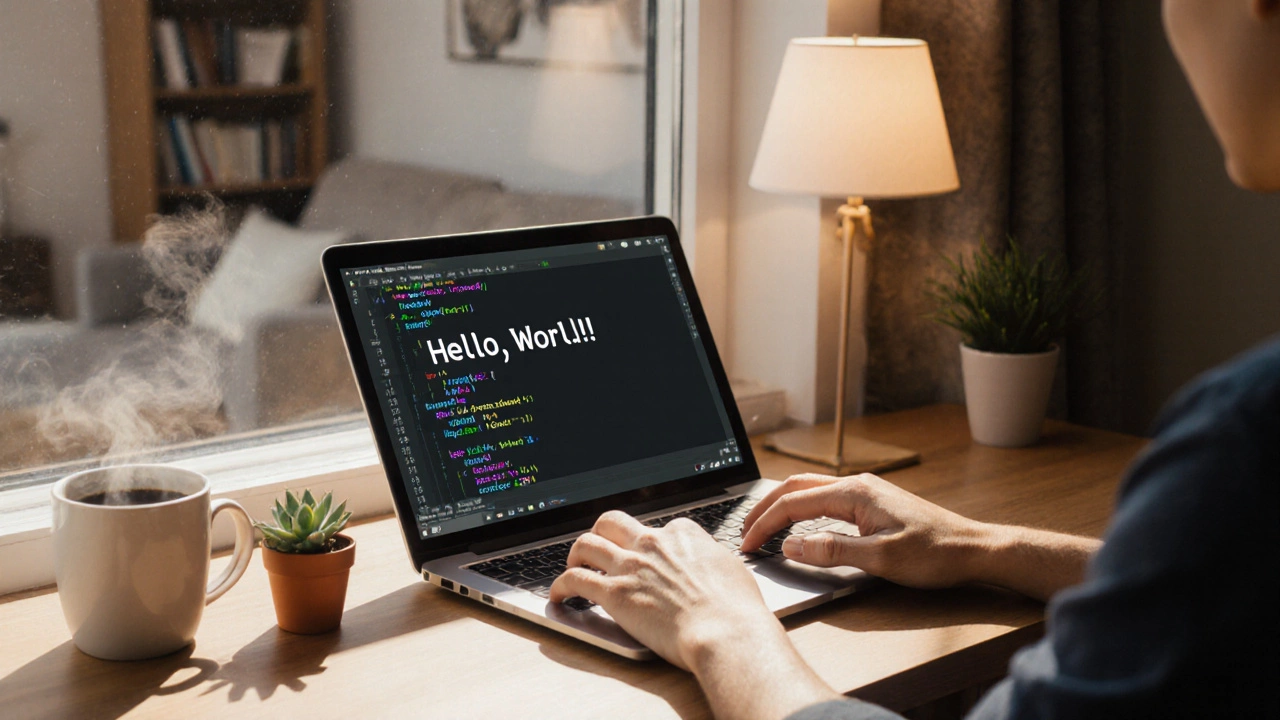
Can I Learn Programming at Home? A Complete Guide to Self‑Taught Coding
Learn how to teach yourself programming at home with a step‑by‑step guide, resource comparison, routine tips, and ways to stay motivated.