Online Course Design: How to Build Learning That Actually Works
When you think of online course design, the process of planning and building structured digital learning experiences. Also known as eLearning development, it's not just uploading videos and calling it a day. It’s about understanding how people learn, what breaks their focus, and how to keep them engaged without burnout. Too many courses fail because they treat learning like a checklist—cover the topics, hit publish, and hope for the best. But real online course design starts long before the first recording.
It requires knowing the eLearning stages, the four core phases that turn raw ideas into effective learning. Also known as the ADDIE model, they’re Analysis, Design, Development, and Implementation. Skip one, and the whole thing wobbles. For example, if you don’t properly analyze who your learners are—whether they’re NEET aspirants in small towns or professionals upskilling in Bangalore—you’ll design something that feels irrelevant. That’s why posts here break down what works in India: from teachers using spaced repetition for NEET memorization to coders building portfolios from home. Then there’s the eLearning process, the full lifecycle from idea to impact. It’s not linear. You test, you fail, you tweak. A course that works for IIT JEE prep might flop for someone learning coding at 50. One needs high-stakes structure; the other needs flexibility and community. And let’s not forget the tools. Google Classroom can lock you out. Skillshop gives free certifications. But none of that matters if the course design doesn’t match the learner’s reality.
What you’ll find below aren’t theory-heavy guides. These are real examples from India’s education landscape. Posts show how self-taught coders get hired without degrees, how NEET toppers use active recall, why distance learning fails for hands-on skills, and what the four stages of eLearning actually look like in practice. You’ll see how course design changes when the learner is a 50-year-old switching careers versus a teenager cramming for CBSE. No jargon. No buzzwords. Just what works—and what doesn’t—when real people are trying to learn.
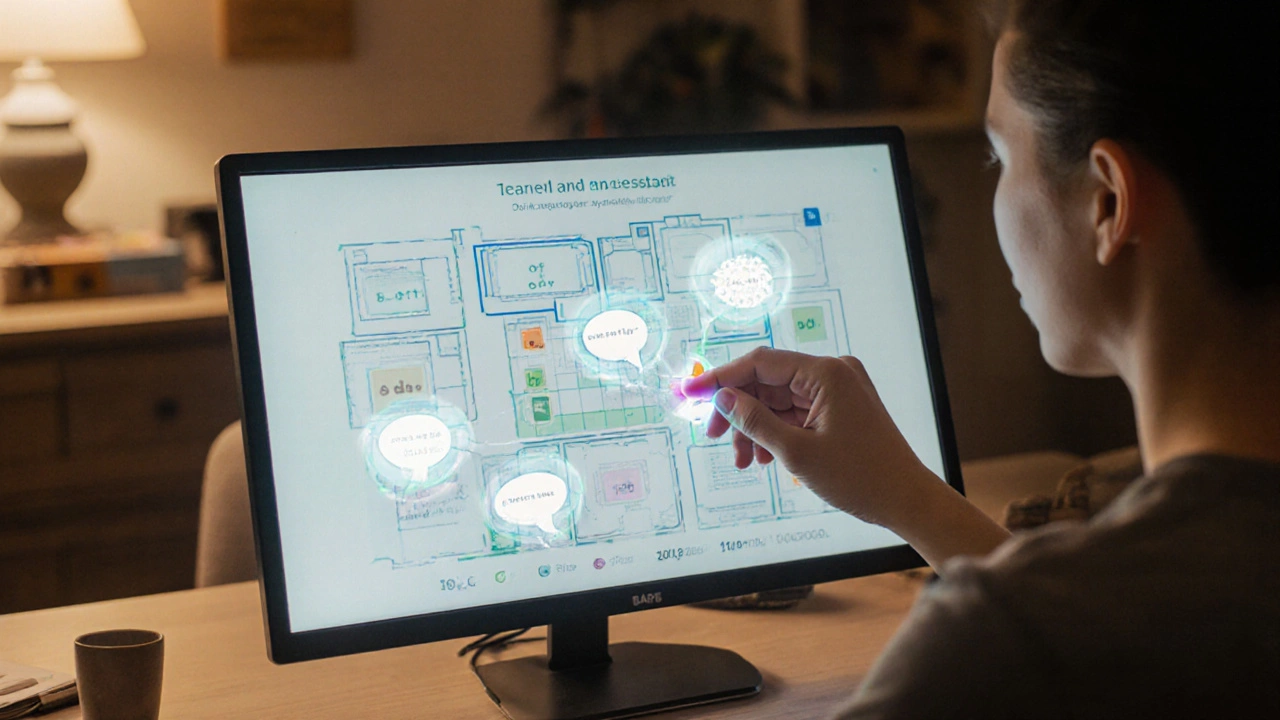
How to Create an Interactive eLearning Course That Actually Keeps Learners Engaged
Learn how to build interactive eLearning that actually engages learners using real choices, feedback, and micro-interactions-not just videos and quizzes. Start with simple tools and focus on what learners do, not just what they see.