Online Learning Problems: Why It Fails and How to Fix It
When you think of online learning, a flexible way to study using digital tools and platforms, often without needing to be in a physical classroom. Also known as eLearning, it digital education, it sounds perfect—learn anytime, anywhere, at your own pace. But for millions in India, it’s not working. Many start with hope, then disappear. Why? Because online learning problems aren’t about tech—they’re about design, motivation, and isolation.
One big issue is eLearning engagement, how well learners stay involved and active in digital courses. Too many courses are just videos and quizzes—boring, passive, and forgettable. People don’t learn by watching. They learn by doing. Think of it like learning to ride a bike. No one learns by staring at a manual. You need to get on the bike, fall, try again. That’s what real engagement looks like. The best online courses give learners choices, feedback, and small wins. Without those, even the smartest student checks out.
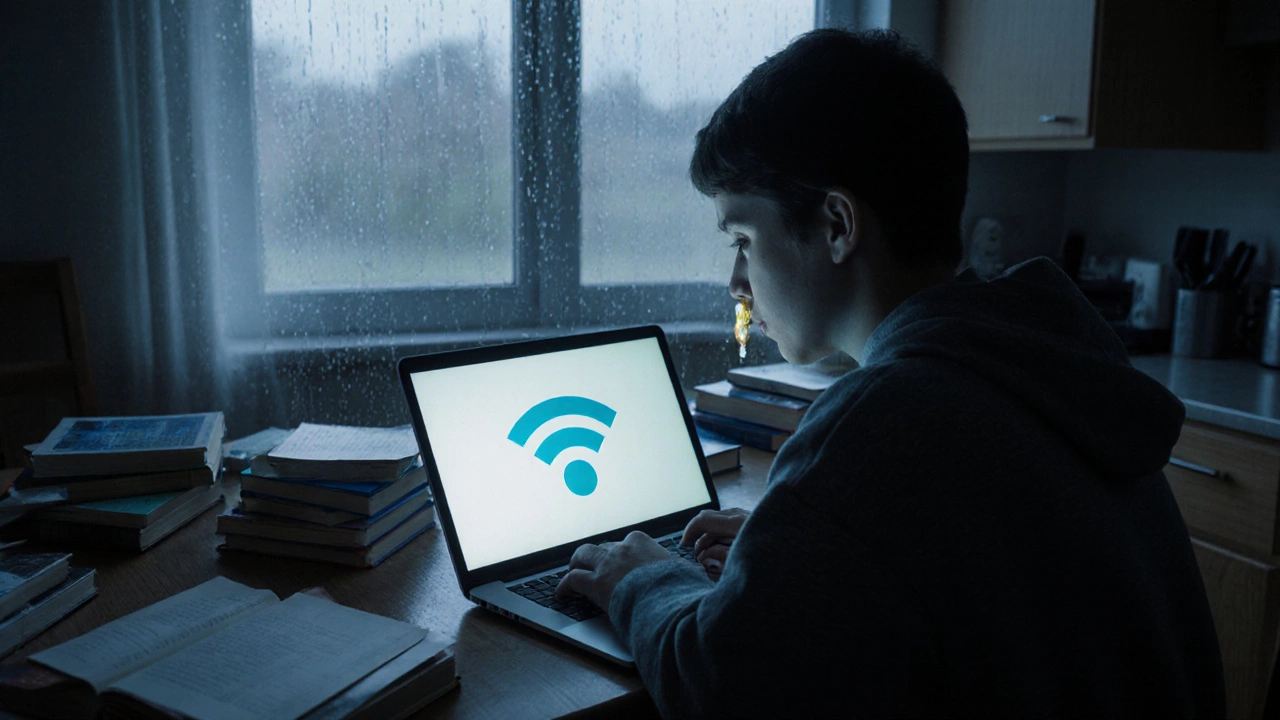
Then there’s remote learning challenges, the hidden struggles of studying from home without structure, peer support, or a clear routine. In India, many students study in crowded homes, with poor internet, or no quiet space. A 10-year-old trying to join a live class while siblings scream in the background isn’t failing—they’re stuck. Teachers and platforms often ignore this. They assume everyone has a laptop, a stable connection, and a parent who can help. That’s not reality for most. The problem isn’t the learner. It’s the system that doesn’t adapt.
And let’s talk about dropout rates. Studies show over 70% of people who start an online course never finish. Why? Not because they’re lazy. It’s because they feel alone. No one asks how they’re doing. No one celebrates their progress. Online learning needs community. It needs accountability. That’s why platforms that offer peer groups, live Q&As, or mentor check-ins see way better results. The tech is fine. The human part is broken.
What’s missing isn’t more videos. It’s more connection. More structure. More realism. The best online courses don’t try to replace classrooms—they fix what classrooms can’t do. They let you learn at your speed. They let you retry. They let you fail without shame. They give you projects that matter, not just tests that don’t.
Below, you’ll find real stories and practical fixes from people who’ve been through this. From students in small towns struggling with slow internet, to professionals over 50 learning to code from their kitchen tables. You’ll see what works—and what doesn’t—when the screen is your only teacher. No fluff. Just what helps people actually learn.
What Are the Real Disadvantages of Distance Education?
Distance education offers flexibility but comes with real challenges: isolation, tech barriers, lack of hands-on training, employer skepticism, and unfair assessments. Learn the hidden downsides before enrolling.