Open Competitive Examination: What It Is and How It Shapes Careers in India
When people talk about getting a stable, respected job in India, they’re often talking about the open competitive examination, a public, merit-based selection process used to hire candidates for government roles. Also known as civil service exams, it’s how India picks its bureaucrats, officers, and public servants—not by connections, but by performance. This isn’t just a test. It’s a system that shapes careers, rewards discipline, and gives anyone, no matter their background, a real shot at a top job.
The UPSC, India’s top civil service recruiting body runs the most famous of these exams—the one for IAS, IPS, and IFS. But it’s not just UPSC. The SSC, the Staff Selection Commission that hires for lower-level government posts runs its own versions. These exams cover everything from accounting to engineering to law. They’re open to anyone who meets the basic age and education rules. That’s what makes them "open"—no quotas for coaching centers, no insider lists, no favoritism. Just your knowledge, your preparation, and your will to keep going.
What makes these exams so powerful is how they connect to real life. If you’ve ever wondered why so many students in India study for years just to crack one test, it’s because these positions offer security, respect, and real influence. A district collector, a tax officer, a customs inspector—these aren’t just jobs. They’re roles that impact how schools run, how taxes are collected, how laws are enforced. And the path to them? It’s long, tough, and often lonely. But thousands still take it every year because the reward isn’t just a salary—it’s a chance to serve.
You’ll find posts here about what it takes to prepare for these exams. Some break down the most important topics in NEET, which is another high-stakes competitive test, but the same principles apply: focus on high-yield areas, use active recall, and build stamina. Others talk about how self-taught coders get hired without degrees—showing that in today’s world, proof of skill matters more than paper credentials. That’s the same truth behind open competitive examinations. It’s not about where you studied. It’s about what you know, how well you can apply it, and whether you can stay focused under pressure.
Whether you’re thinking about taking the UPSC, preparing for SSC CGL, or just trying to understand why these exams dominate so many Indian households, this collection gives you real insights—not theory, not hype, but what actually works. You’ll see how people balance work and study, what resources they actually use, and how they handle failure. No fluff. Just the facts, the struggles, and the strategies that lead to success.
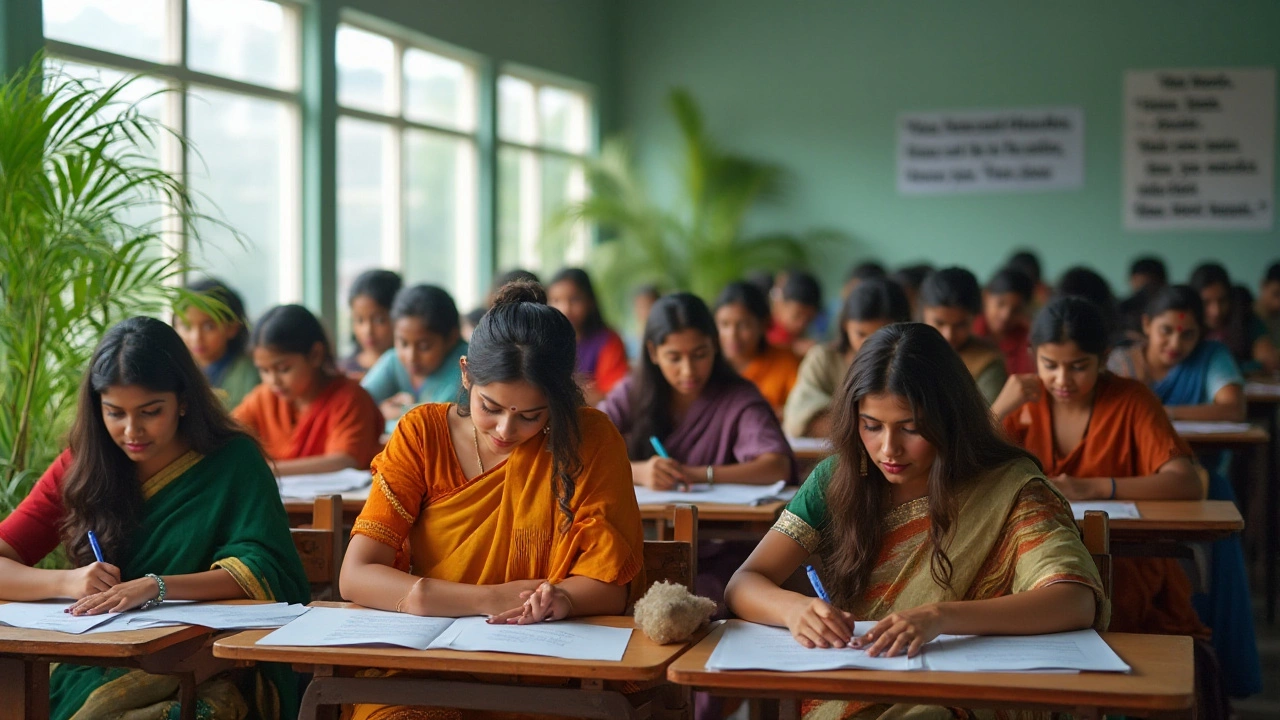
Understanding the Basics of Open Competitive Examinations: A Guide to Success
An open competitive examination is a process used to select candidates for a variety of positions based on merit. These exams assess the knowledge and skills of applicants in a fair and open manner, allowing all eligible individuals to participate. In this article, we explore what an open competitive exam entails, how candidates can best prepare, and the benefits of participating in such exams. We also provide insights into the structure of these exams and what candidates can expect during the examination process.