Remote Learning in India: What Works, What Doesn’t, and Who It Really Helps
When we talk about remote learning, a way of studying without being physically present in a classroom, often using digital tools and internet-based platforms. Also known as online learning, it became a necessity during the pandemic—but for many in India, it was never just a backup plan. It exposed deep gaps in access, infrastructure, and support that still exist today.
Remote learning isn’t one thing. It’s a mix of eLearning, structured digital courses designed to teach specific skills or subjects, often with interactive elements, distance education, a more formal, often institutional approach to teaching students who are geographically separated from their teachers, and plain old video calls on shaky Wi-Fi. In India, you’ll find a student in Mumbai using a high-end tablet with a live tutor on Zoom, while another in a village in Jharkhand tries to follow a lesson by listening to a radio broadcast. The same term, two completely different realities.
What makes remote learning work? It’s not the platform. It’s the learner’s access to stable internet, a quiet space, a device that doesn’t overheat, and someone who can help them when they get stuck. That’s why some students thrive in online courses while others fall behind—not because of effort, but because of environment. The tools are there: Google Classroom, YouTube tutorials, free coding platforms, and apps built for Indian students. But the support system? That’s uneven. Teachers aren’t trained for digital classrooms. Parents can’t help if they never finished school themselves. And schools? Many still treat online learning like a temporary fix, not a real part of education.
And yet, people are making it work. Self-taught coders in small towns are building portfolios from their phones. Older learners are picking up new skills through free certifications. NEET aspirants are using spaced repetition apps to memorize biology chapters. The remote learning model isn’t broken—it’s just unevenly distributed. What’s missing isn’t technology. It’s equity.
Below, you’ll find real stories and data from students, teachers, and learners across India. You’ll see what’s actually holding people back, which tools are helping them push forward, and how remote learning is changing—not just where you study, but who gets to learn at all.
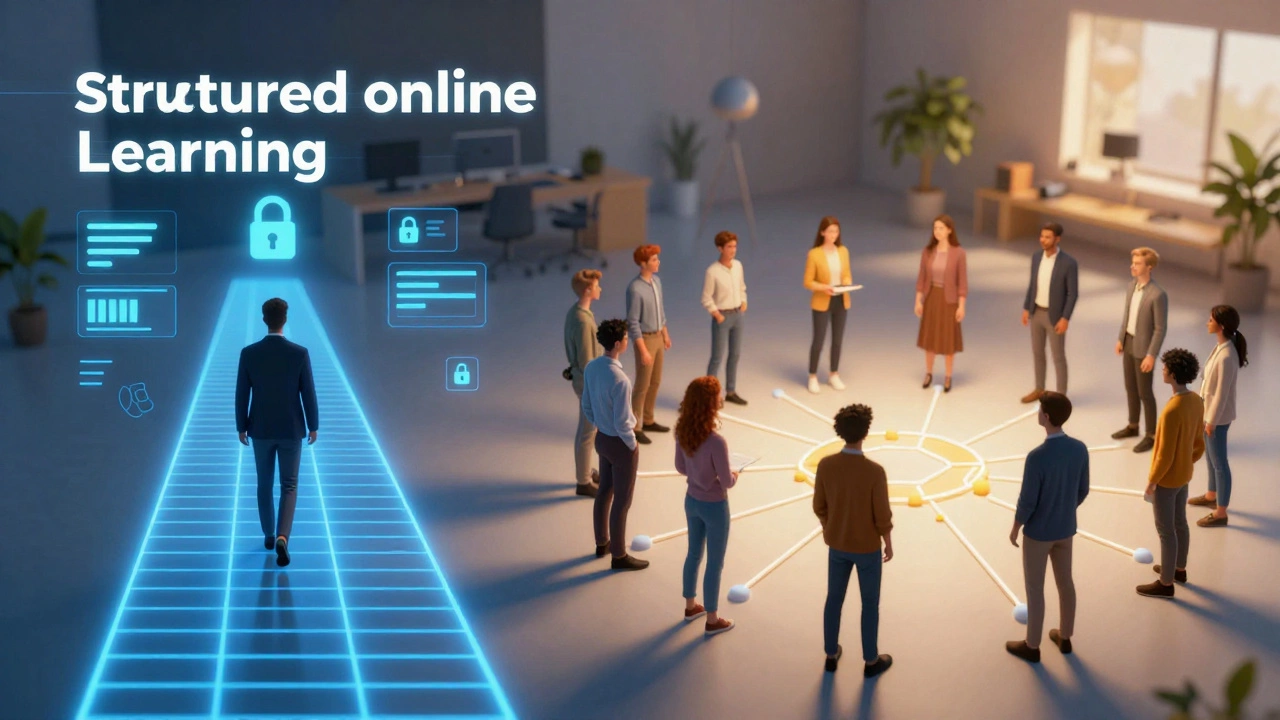
What is the difference between eLearning and online learning?
Clarify the confusion between eLearning and online learning by exploring structure, technology, and use cases. This guide compares tracking methods, platforms, and delivery styles.
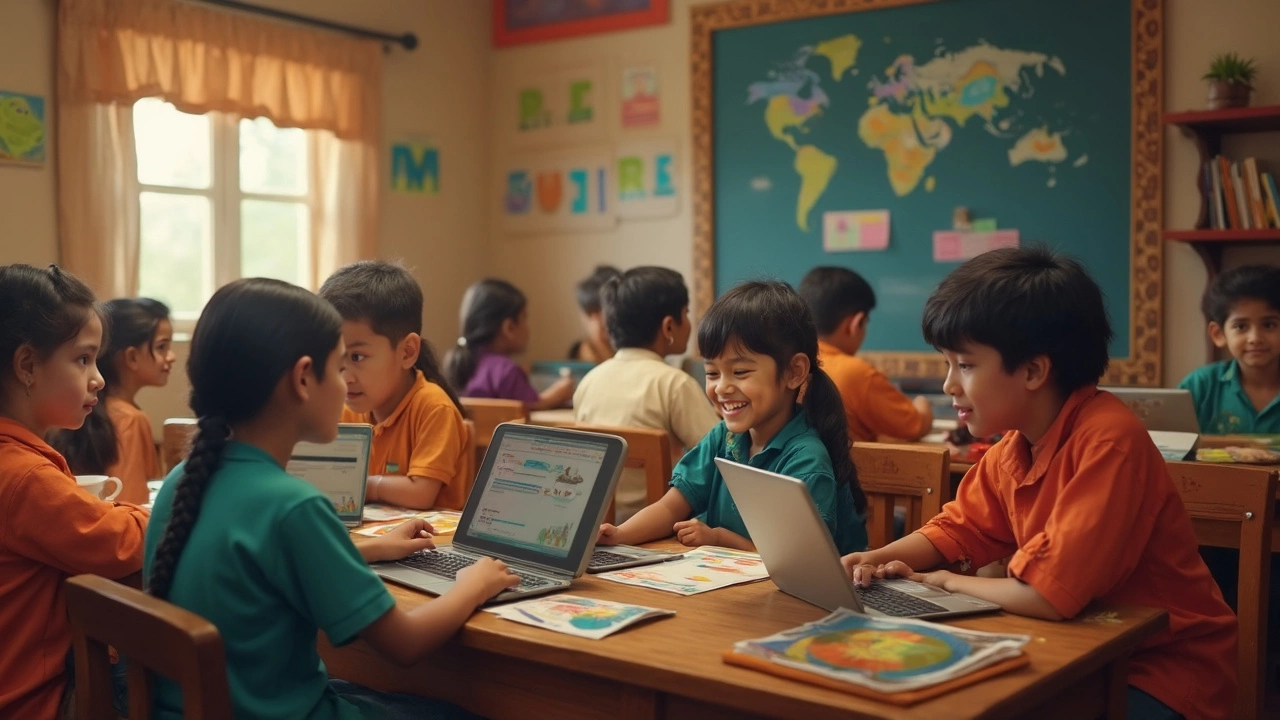
eLearning Essentials: What You Really Need for an Online Learning Platform
What does it really take to run a successful eLearning platform? This article covers everything from basic tech requirements to choosing the right course content—and even tips for keeping students engaged online. If you want to build a great digital classroom or just want your online learning experience to flow smoother, you’ll find practical info here. Forget the confusing jargon—this guide cuts right to the chase about what actually makes eLearning tick. Get ready to learn what works, what doesn't, and how you can improve your eLearning journey.