Remote Study Challenges: What’s Really Holding Back Online Learners in India
When you study remotely, you’re not just learning from a screen—you’re fighting against remote study challenges, the invisible obstacles that make online learning harder than it looks. Also known as distance learning barriers, these aren’t just about slow Wi-Fi—they’re about isolation, motivation, and systems not built for real life. In India, where over 2.5 crore students rely on digital platforms like CBSE and online coaching for NEET or IIT JEE, the gap between theory and practice is wider than most admit.
One big problem? eLearning barriers, the hidden design flaws in online courses that make them feel boring, confusing, or pointless. Many platforms throw up videos and quizzes and call it learning. But if you’re studying alone at home with no routine, no feedback, and no accountability, even the best course fails. This isn’t just about tech—it’s about human behavior. Studies show learners who don’t have a fixed schedule or a study group drop out faster than those who do. And in India, where families often share one device and multiple students compete for quiet space, structure becomes a luxury. Then there’s online learning struggles, the emotional and mental toll of studying without face-to-face support. Think of a NEET aspirant in a small town trying to stay focused while their sibling streams videos in the next room. Or a self-taught coder working nights after a full day of classes, with no one to ask when they hit a wall. These aren’t edge cases—they’re the norm.
What makes this worse is that most solutions treat remote learning like a technical fix. Buy a better laptop. Upgrade your internet. Use this app. But the real issue isn’t hardware—it’s environment, mindset, and support. The posts below show real stories: how someone in rural Bihar cracked NEET using only a smartphone, how a 50-year-old learned coding from a free YouTube playlist, and why Google Classroom sometimes locks you out—not because of a glitch, but because the system wasn’t built for irregular learners. You’ll find practical fixes, not fluff. No generic advice. Just what actually works when you’re tired, distracted, and running out of time.
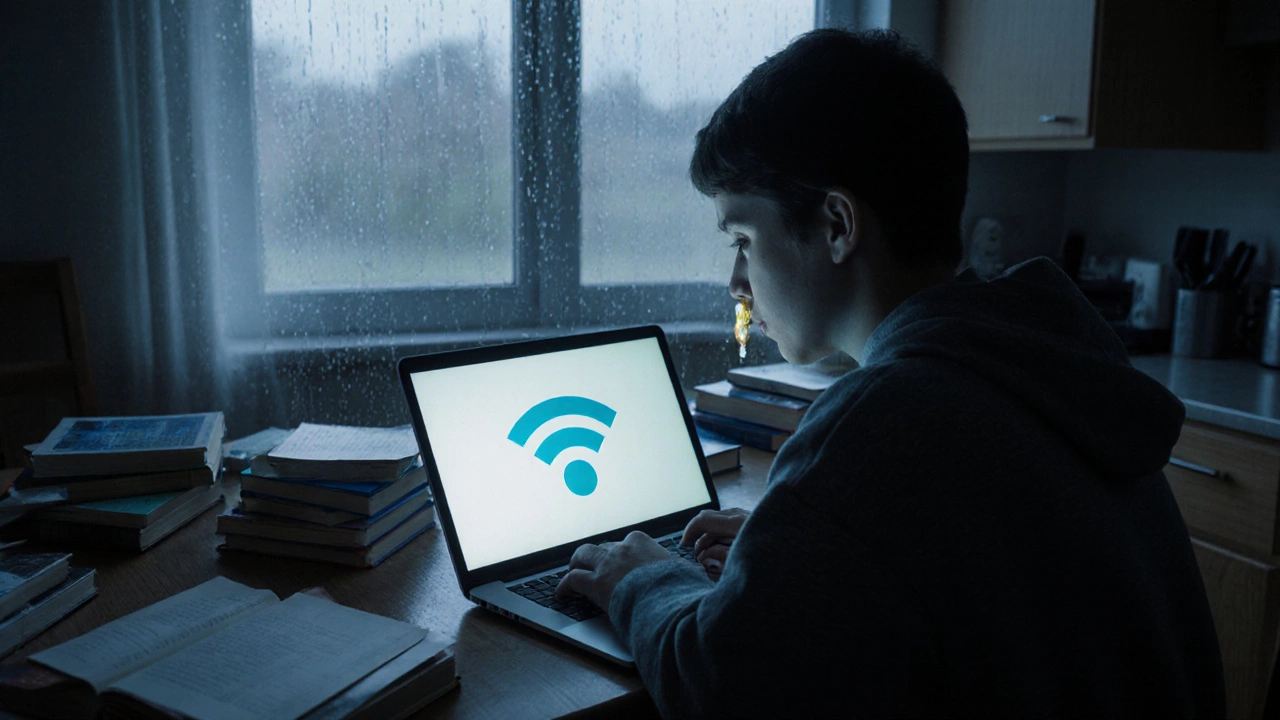
What Are the Real Disadvantages of Distance Education?
Distance education offers flexibility but comes with real challenges: isolation, tech barriers, lack of hands-on training, employer skepticism, and unfair assessments. Learn the hidden downsides before enrolling.