Syllabus in India: What It Includes and How It Shapes Learning
When we talk about syllabus, a structured outline of what students are expected to learn in a course or exam. Also known as curriculum, it’s not just a list of topics—it’s the roadmap that decides how much time students spend on biology versus physics, whether they learn by memorizing or by solving real problems, and ultimately, whether they succeed in exams like NEET or IIT JEE. In India, the syllabus isn’t just a guideline; it’s the engine behind the entire education system. Whether you’re a student cramming for CBSE boards, a teacher designing lessons, or a parent trying to understand why your child is studying a certain chapter, the syllabus is the invisible hand shaping every hour spent in class or at a coaching center.
The CBSE syllabus, the standardized curriculum followed by over 2.5 crore students across India and abroad. Also known as Central Board of Secondary Education curriculum, it’s known for its uniform structure and focus on theory-heavy exams. But it’s not the only player. The NEET syllabus, the official set of topics tested in India’s medical entrance exam. Also known as National Eligibility cum Entrance Test syllabus, leans heavily into biology—nearly half the exam—and demands precision in human physiology, genetics, and plant systems. Meanwhile, the IIT JEE syllabus, the blueprint for India’s toughest engineering entrance. Also known as Joint Entrance Examination syllabus, pushes students into deep problem-solving in physics, chemistry, and math, with little room for guesswork. These aren’t just subjects—they’re gatekeepers to careers.
And it’s not just about school boards. The rise of eLearning syllabus, the structured learning path designed for online courses. Also known as online curriculum, means people over 50 are now learning to code using syllabi built for self-paced progress, not classroom schedules. These digital syllabi focus on projects, not memorization, and reward doing over reciting. That’s a shift. Traditional syllabi in India have long been about covering content. But now, whether you’re preparing for NEET or learning Python from home, the syllabus is evolving to match how people actually learn—by doing, failing, and trying again.
What you’ll find in the posts below are real breakdowns of what these syllabi actually include, how they compare across systems, and what happens when students try to game them. You’ll see which chapters give you the most marks in NEET, how CBSE stacks up against American curricula, and why some syllabi leave learners stranded without hands-on practice. This isn’t theory. It’s what’s happening on the ground—in classrooms, coaching centers, and living rooms across India.
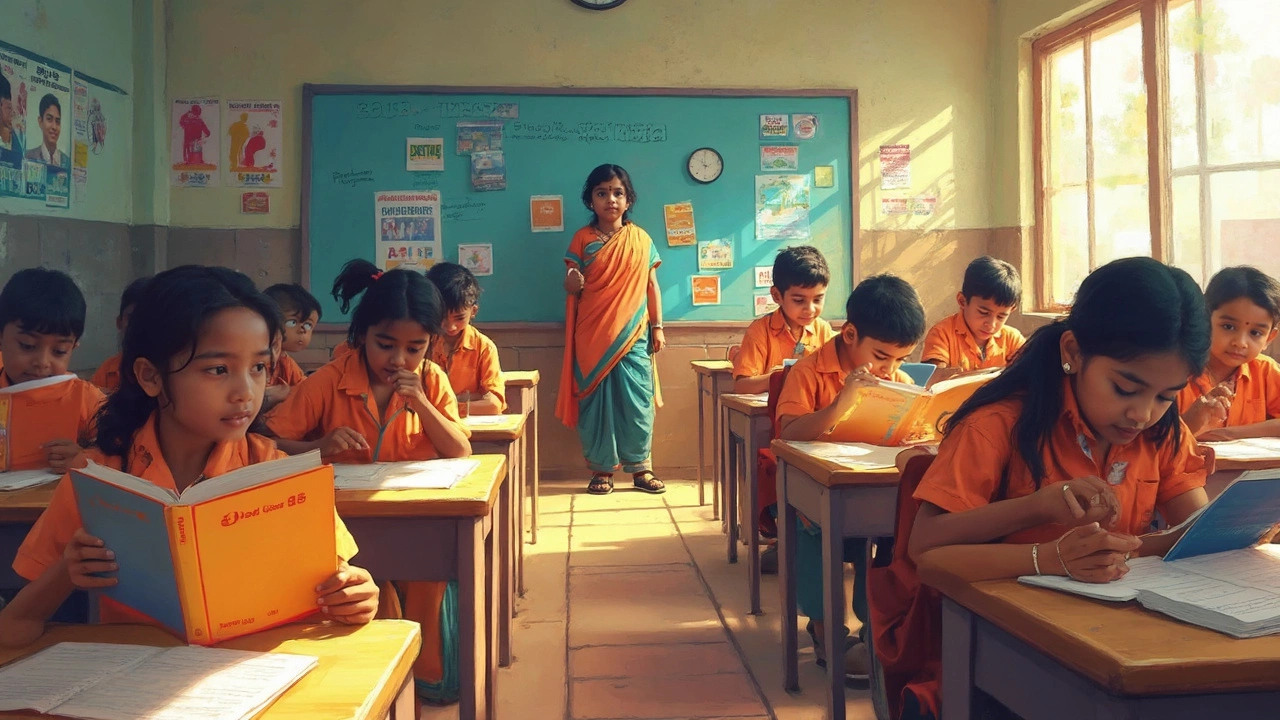
CBSE Syllabus: Why So Many Parents Prefer It?
This article breaks down why the CBSE syllabus stands out as the top pick for students and parents across India. You’ll discover what sets CBSE apart from other educational boards, including its practical focus, national recognition, exam style, and future opportunities. Real-life tips and facts make the reasons easy to understand. See how CBSE makes a difference in both classroom comfort and big exam readiness. If you're deciding on an educational path, this read gives you the facts without the fluff.