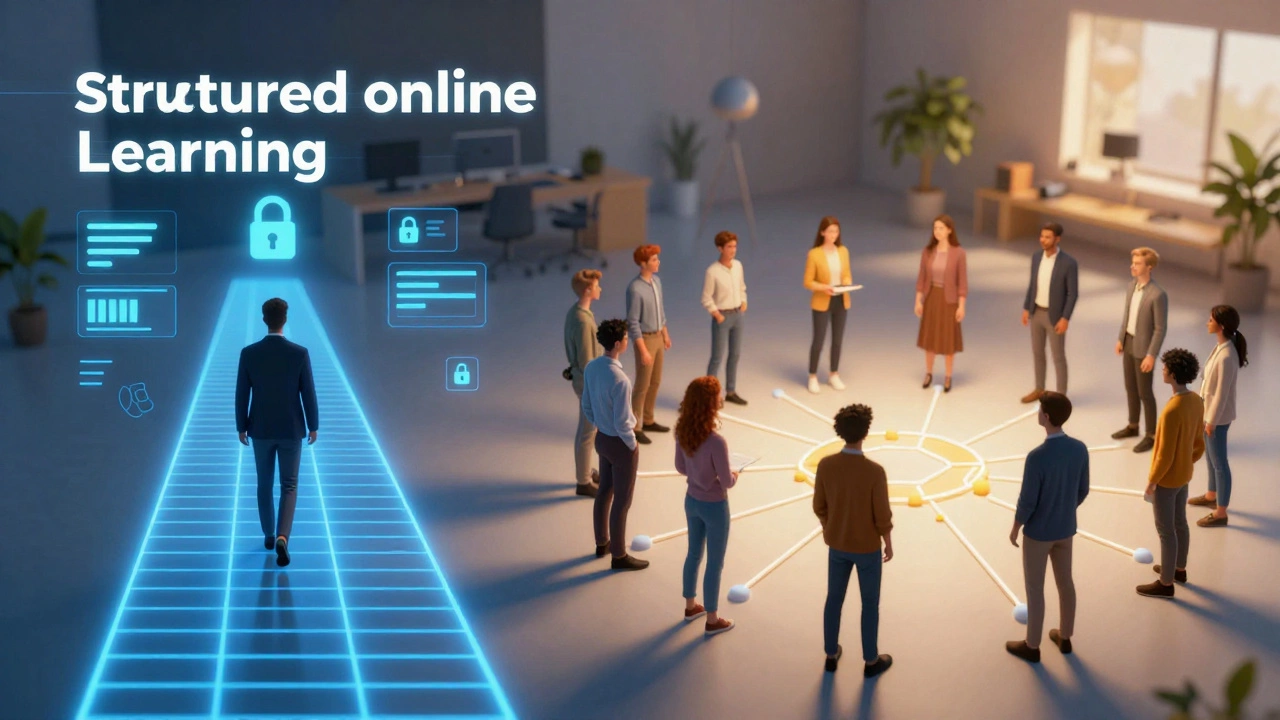
eLearning vs Online Learning Decision Tool
Find Your Ideal Learning Format
Answer these 5 questions to discover whether eLearning, online learning, or a blended approach best suits your training objectives.
You hear experts saying eLearning is different from online learning, yet everyone uses the terms like they mean the same thing. If you are shopping for courses or setting up company training, confusing these two can mess up your budget and strategy. The reality is simpler than you think: one describes the content format, and the other describes the location.
This distinction matters now more than ever. With the rise of artificial intelligence tutors and virtual classrooms, knowing where your program sits on this spectrum helps you pick the right tool. Are you building a corporate compliance module? That’s eLearning. Are you enrolling in a university degree delivered remotely? That’s online learning.
The Core Definition of eLearning
When people talk about eLearning, they usually focus on digital content packaged for self-paced consumption. It is technology-driven training where the material lives inside software. Think of a module you click through, watch a short video, and take a quiz. It is highly structured. You cannot skip the steps easily. This approach comes from corporate training roots.
In an eLearning environment system, every click is tracked. Companies use standards like SCORM or xAPI to measure exactly what an employee watched and how long they spent on a page. This data feeds into reports for managers. It’s not just about studying; it’s about proving compliance.
eLearning relies heavily on Instructional Design. Someone plans every interaction. They decide if you get multiple-choice questions or interactive drag-and-drop exercises. The goal is efficiency. You need to learn safety protocols quickly. There is little room for wandering off-topic.
Understanding Online Learning
Online learning casts a wider net. It simply means education happens over the internet, regardless of the format. You could join a live Zoom class with a professor. You could read forums. You could download PDF notes. If it happens remotely, it counts as online learning.
The biggest difference lies in flexibility. While eLearning forces you through a pre-set path, online learning often gives you agency. Imagine a Master's degree. You log in to a portal, attend live lectures, collaborate on group projects, and submit papers. It looks more like a traditional classroom moved to a browser.
This model depends less on strict tracking software and more on academic structures. Grades come from assessments by humans, not just automated quizzes. It includes Synchronous Learning sessions where everyone meets at the same time, and Asynchronous Learning where you do work at your own speed. Universities blend these to keep students engaged.
Key Differences in Delivery and Experience
If you want to see where they separate, look at the user journey.
| Feature | eLearning | Online Learning |
|---|---|---|
| Primary Goal | Skill acquisition or Compliance | Degree completion or Knowledge exploration |
| Pacing | Fixed or Self-Paced Modules | Cohort-Based or Flexible Schedule |
| Interaction | System Feedback (Quizzes) | Human Interaction (Discussion Boards) |
| Technology | LMS / Authoring Tools | Videostreaming / Discussion Forums |
| Certificate Type | Completion Badge / Internal Record | Transcript / Diploma |
Notice the technology row. LMS stands for Learning Management System. Tools like Moodle or Canvas host eLearning content. They are the engine running under the hood. Online learning platforms might use a forum or even email as a communication channel. It is less rigid.
You see this difference in certification too. Completing an eLearning course often gets you a certificate of participation. You proved you saw the video. Finishing an online learning program earns you academic credit or industry recognition. It proves you mastered the subject matter.

Technology Stack and Infrastructure
Building these experiences requires different engines. If you run a corporate HR department, you likely use an LMS to manage eLearning. The software sends reminders, tracks login times, and blocks access until specific modules are finished. This infrastructure supports scalability. You can push updates to thousands of employees instantly.
However, higher education institutions prefer Virtual Learning Environments (VLE). These platforms integrate with Student Information Systems (SIS). They handle grades, transcripts, and billing alongside the course content. The ecosystem is larger. It isn't just about hosting files; it is about managing an entire student lifecycle.
Recent trends show these worlds merging. Modern platforms offer blended options. An employee might take a compliance eLearning course but attend a live workshop hosted online. This hybrid model borrows the tracking strengths of eLearning and the engagement benefits of online learning.
Who Needs Which Model?
Selecting the wrong model wastes resources. If you train sales teams on product knowledge, you need the repeatability of eLearning. You want everyone to get the exact same message. Variation in how people interpret videos hurts brand consistency.
Contrast this with leadership training. Managers need to discuss complex strategies. A static eLearning course fails here. They need debate. They need online learning formats that encourage peer discussion and feedback loops.
Budget plays a huge role too. Developing high-quality eLearning requires expensive authoring tools and graphic designers. Interactive simulations cost more to build than recording a lecture series. For startups with tight budgets, online learning via live webinars is cheaper and faster to deploy. But large corporations justify the upfront cost with long-term tracking and compliance records.
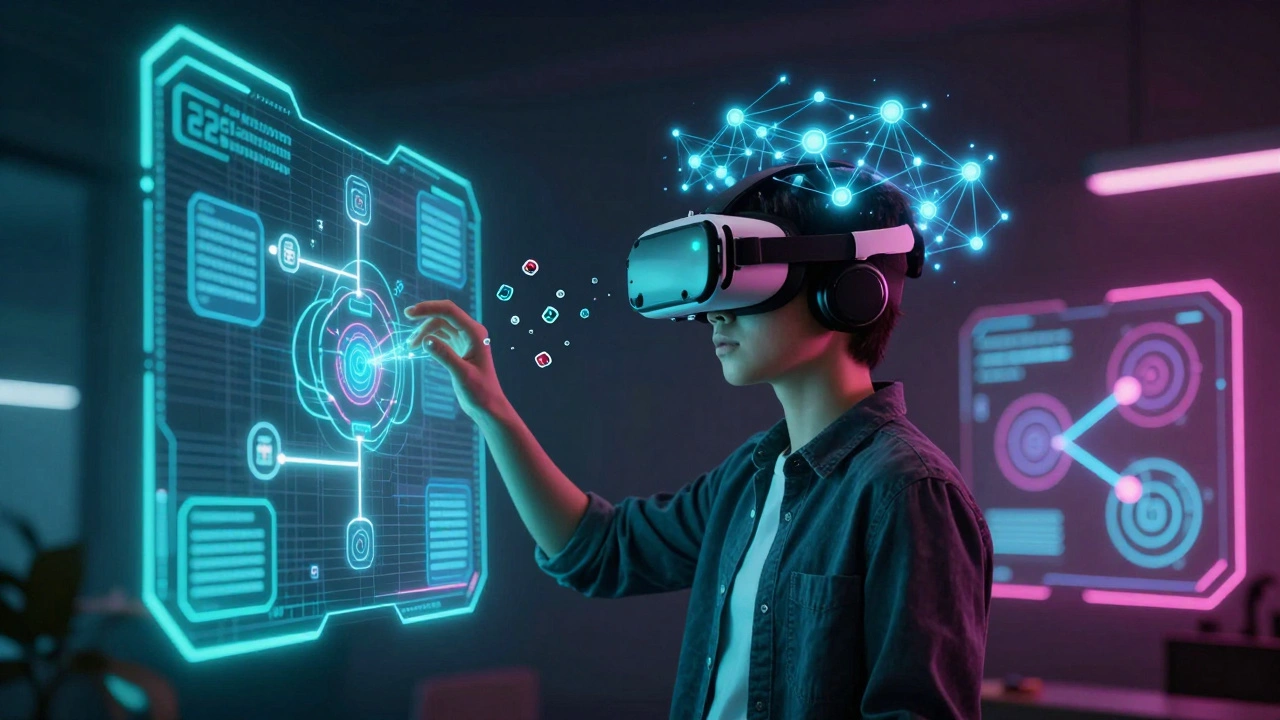
The Role of Emerging Technologies
We are standing at a turning point in 2026. Artificial Intelligence is changing how we define these boundaries. AI tutors can now adapt eLearning paths in real-time based on performance. If you struggle with a concept, the software changes the next lesson automatically.
Virtual Reality adds another layer. In medical training, putting on a VR headset for surgery simulation blurs the line. Is it eLearning? Yes, because it is digital. Is it online? Not necessarily, if it runs locally on a workstation. These immersive technologies force us to rethink our definitions.
Mobility is also shifting focus. Mobile-first learning means everything must work on phones. Both sectors are moving toward micro-learning. Short bursts of five minutes fit modern schedules better than hour-long lectures. Whether you call it eLearning or online learning, the trend is the same: bite-sized accessibility.
Strategic Implementation Tips
If you are launching a new initiative, start by mapping your audience goals.
- Audit current skills to see if you need knowledge transfer (eLearning) or skill application (online learning).
- Check your IT readiness. Do you have bandwidth for heavy video streaming or interactive media?
- Involve learners in testing. Does the platform feel intuitive, or is it a barrier to entry?
- Measure ROI. Track hours saved versus money spent on development.
Remember that labels matter less than outcomes. Some vendors market "online learning" while delivering rigid eLearning content. Don’t get confused by their jargon. Look at the syllabus. Is there instructor contact? Are there exams? Those are markers of true online learning environments.
Finding the balance ensures your investment actually works. You don't want to pay for a degree-level platform just to teach fire safety procedures. Conversely, don't treat a university semester like a safety checklist. Matching the method to the mission saves frustration and boosts retention.
Can eLearning happen offline?
Yes, eLearning refers to electronic learning content. You can download modules to a USB drive or tablet and complete them without internet connection. However, syncing data back to a server usually requires periodic connectivity.
Which is better for employee onboarding?
eLearning is superior for standardized onboarding tasks like policy review. Online learning works better for team-building and cultural introduction where social interaction is required.
Do universities use LMS systems?
Universities widely use Learning Management Systems like Canvas or Blackboard. They utilize these tools to deliver online learning courses, blending both methodologies.
Is MOOC considered eLearning?
Massive Open Online Courses are primarily categorized as online learning because they are open enrollment and often lack strict institutional tracking. However, many include eLearning style video modules within the curriculum.
How does AI impact the difference between these two?
Artificial Intelligence personalizes eLearning paths significantly. It makes rigid courses feel more dynamic, bridging the gap by adding adaptive features typically found in human-led online classes.