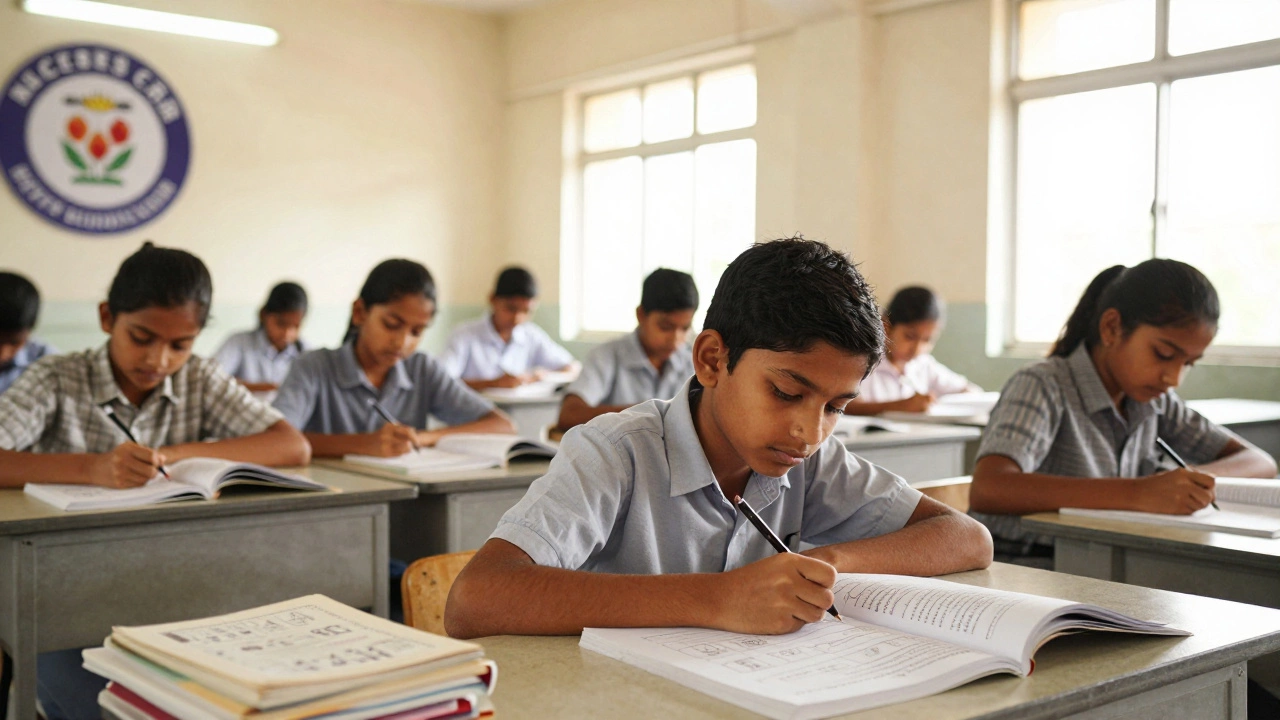
When parents and students in India ask, "What is the easiest board in India?" they’re not just looking for a simple answer. They want to know which board makes learning less stressful, reduces exam pressure, and still gives a strong foundation for future exams like JEE, NEET, or even college admissions abroad. The truth? There’s no single "easiest" board for everyone-but one stands out for most families: CBSE.
Why CBSE is considered the easiest board
CBSE, or the Central Board of Secondary Education, is the most widely followed board in India. Over 20,000 schools across the country and in over 25 countries follow it. Why? Because its syllabus is designed to be clear, structured, and predictable.Unlike some state boards that dive deep into regional languages or local history, CBSE keeps its focus on national standards. The curriculum is streamlined. For example, in Class 10 Science, CBSE covers 16 chapters across Physics, Chemistry, and Biology. ICSE, by comparison, has 22 chapters with more detailed theory and lab work. That’s not just more content-it’s more time spent memorizing.
CBSE also uses a straightforward exam pattern. Most questions come directly from NCERT textbooks. If a student reads and practices NCERT thoroughly, they can score well without needing extra coaching. Many students from rural areas or smaller towns rely on this. They don’t have access to expensive tutors, so a board that sticks to one trusted textbook is a big advantage.
How CBSE compares to ICSE
ICSE, run by the Council for the Indian School Certificate Examinations, is known for being more rigorous. It’s often seen as "more thorough," but that doesn’t mean it’s easier.ICSE requires students to write longer answers, especially in English. The English paper includes comprehension, grammar, and creative writing-all in one. CBSE splits these into separate sections and keeps the language simpler. ICSE also has a heavier load in subjects like History and Geography, with detailed timelines and map-based questions. CBSE keeps geography focused on basic concepts like climate zones and river systems.
For students aiming for competitive exams like JEE or NEET, CBSE is the preferred path. Why? Because the JEE and NEET syllabi are based directly on CBSE’s Class 11 and 12 curriculum. ICSE students often need extra coaching just to bridge the gap. That’s extra cost, extra stress, and extra time.
State boards: harder, but local
State boards vary wildly. In Maharashtra, the MSBSHSE board has a detailed syllabus with tough maths problems. In Tamil Nadu, the state board emphasizes local history and literature. In Uttar Pradesh, the UP Board has a reputation for unpredictable exam patterns.Some state boards are easier in terms of content-like the Bihar Board, which has fewer chapters. But they often lack standardized evaluation. If you move from Bihar to Delhi for college, your marks might not be understood the same way. CBSE is recognized everywhere. Universities, scholarship committees, even foreign colleges know what CBSE means.
Also, state board exams are usually set by the state education department. That means the paper can be inconsistent year to year. CBSE follows a strict pattern. The marking scheme is published. Sample papers are released months in advance. Students know exactly what to expect.
What makes a board "easy"? It’s not just the syllabus
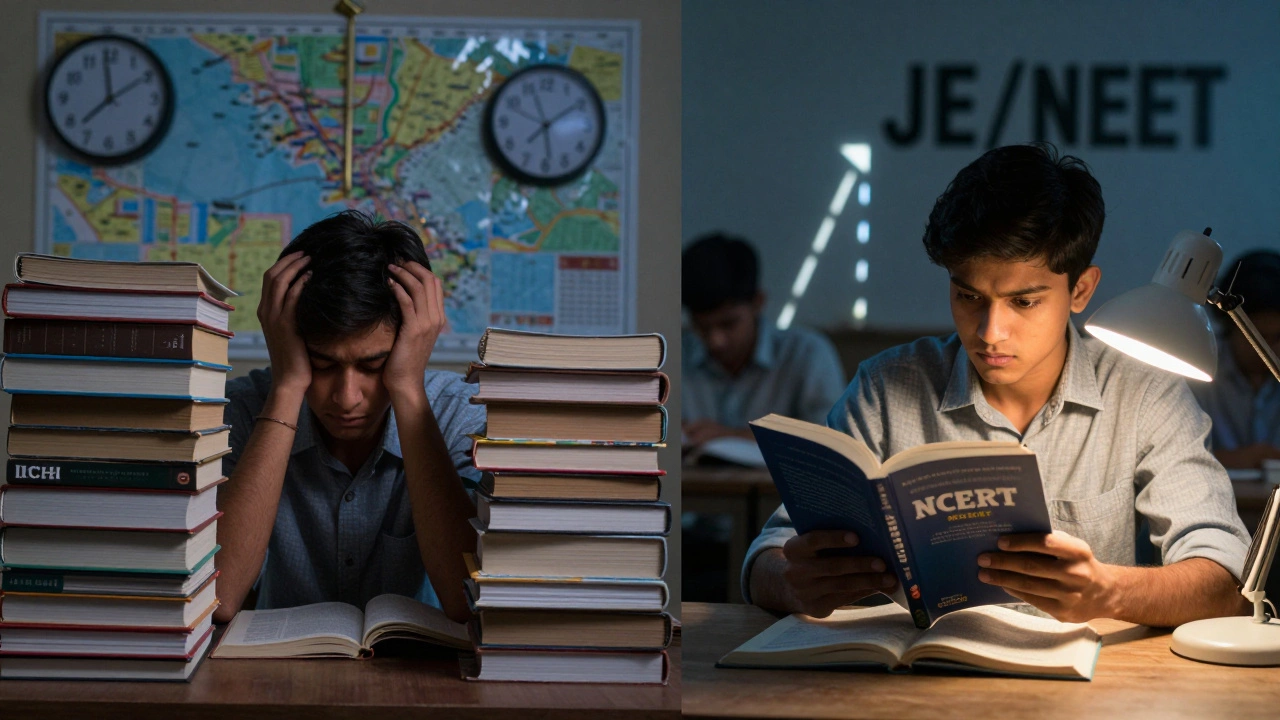
Ease isn’t just about how much you have to learn. It’s about how much you have to worry.CBSE reduces anxiety in three key ways:
- Clear textbooks: NCERT books are written in plain language. No fancy jargon. No confusing explanations.
- Predictable exams: 70-80% of questions come straight from NCERT. No surprises.
- Easy transitions: If you switch schools mid-year, CBSE ensures you don’t fall behind. Other boards don’t always do this.
One mother from Jaipur told me her daughter switched from a state board to CBSE in Class 8. Within six months, her grades improved by 25%. "She stopped crying over homework," the mom said. "Now she actually enjoys science. That’s the difference."
Who might find CBSE not easy?
CBSE isn’t perfect. If your child loves creative writing, deep analysis, or hands-on science projects, they might feel limited. ICSE gives more room for expression. Some private schools with CBSE affiliation still teach in a rigid, rote-learning way-so the board isn’t the only factor.Also, if you live in a state where the local language is the medium of instruction, switching to CBSE (which uses English) might be tough at first. But most CBSE schools teach English as a core subject from Class 1, so students adapt quickly.
Real data: What do exam results say?
In 2025, CBSE’s Class 10 pass rate was 98.7%. ICSE was at 97.2%. The average score in CBSE was 78.3%, while ICSE was 74.1%. State boards varied-from 92% in Kerala to 86% in Rajasthan. But here’s the key: CBSE had the highest percentage of students scoring above 90%. That’s not because it’s easy-it’s because the system rewards consistent effort.And when it comes to competitive exams? Over 85% of IIT JEE toppers in 2024 came from CBSE schools. That’s not coincidence. It’s structure.
Bottom line: CBSE is the easiest for most
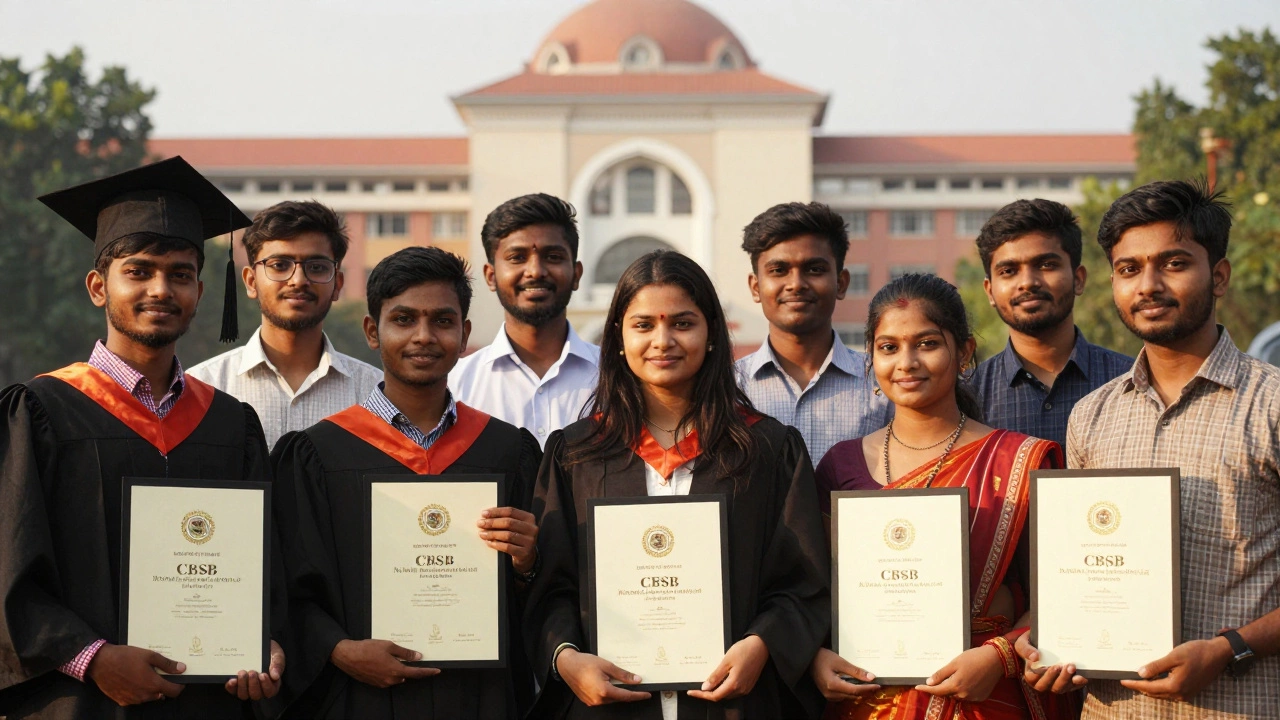
"Easiest" doesn’t mean "least challenging." It means "least confusing." CBSE gives you a clear path. You know what to study. You know how to prepare. You know where the exam will come from. That’s not luck. That’s design.If you’re choosing a board for your child, and you want to reduce stress, avoid last-minute panic, and build confidence for future exams-CBSE is the smartest choice. It’s not about being the easiest in theory. It’s about being the easiest to succeed with.
Frequently Asked Questions
Is CBSE easier than ICSE for Class 10?
Yes, CBSE is generally easier for Class 10. The syllabus is shorter, the language in textbooks is simpler, and exam questions come directly from NCERT books. ICSE has more chapters, longer answers, and tougher English papers. CBSE students often score higher with less pressure.
Which board is best for IIT JEE preparation?
CBSE is the best board for IIT JEE preparation. The JEE syllabus is designed around the CBSE Class 11 and 12 curriculum. Most coaching institutes use NCERT as their base material. ICSE and state board students often need extra coaching to catch up on topics not covered in depth.
Do colleges prefer CBSE over other boards?
Most Indian universities, including IITs, NITs, and private colleges, treat CBSE marks equally with other boards. But because CBSE is standardized nationwide, it’s easier for admissions teams to compare scores. Foreign universities also recognize CBSE more readily than many state boards.
Can I switch from a state board to CBSE in Class 9?
Yes, you can switch from a state board to CBSE in Class 9. Many families do this to prepare for competitive exams later. CBSE schools usually help with transition materials. The key is to focus on English and Science early, since those are the biggest adjustments.
Is CBSE easier for weak students?
Yes, CBSE is often easier for students who struggle with academics. The NCERT books are written in simple language, and the exam pattern is predictable. If a student puts in regular effort, they can score well without needing advanced coaching. This builds confidence over time.
Next steps if you’re choosing a board
If you’re deciding between boards, start here:- Check what board your target colleges or coaching centers recommend.
- Ask current students: "What was harder-learning the content or preparing for the exam?"
- Compare NCERT vs. ICSE textbooks side by side. Which one feels clearer?
- If you plan to move cities or study abroad, choose CBSE for wider recognition.
- Don’t choose based on what your friends are doing. Choose based on what fits your child’s learning style.
There’s no magic board. But for most families in India, CBSE gives the clearest, most reliable path to success-with the least amount of unnecessary stress.