IIT Branch Matchmaker
Answer these questions to find which IIT branch aligns best with your profile. This tool analyzes data from top IIT placement trends.
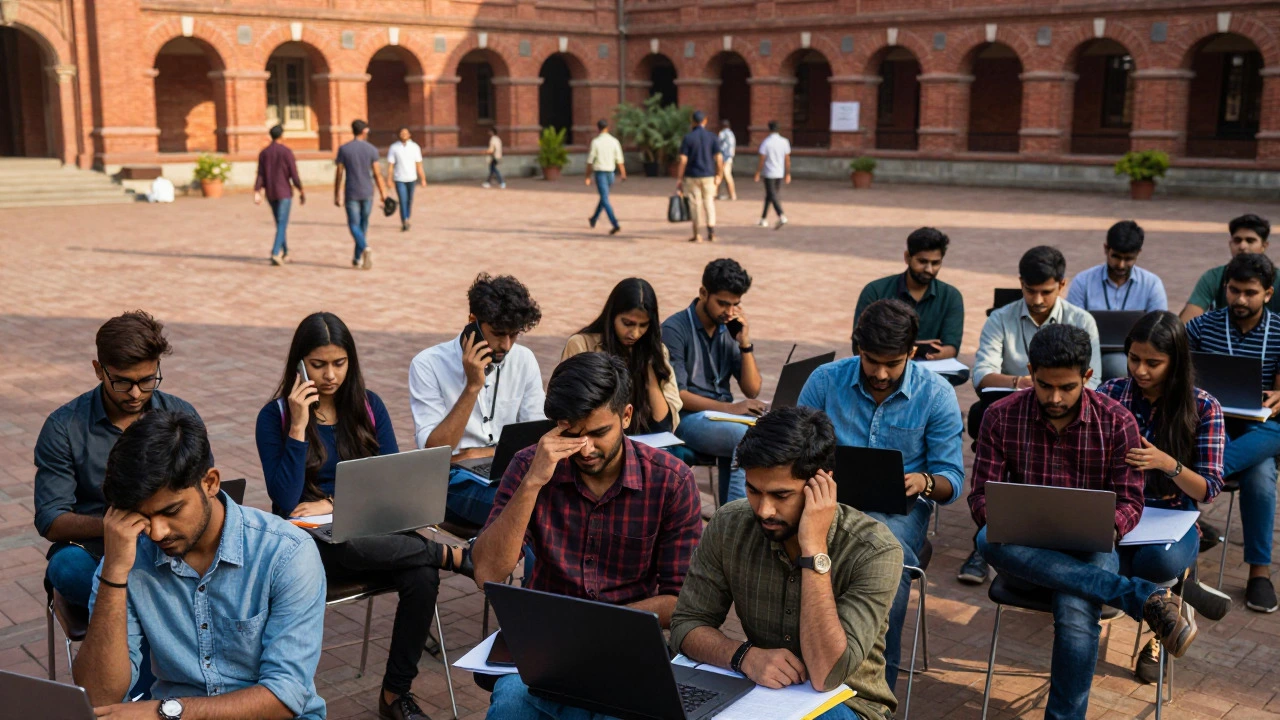
You’ve cracked the JEE Advanced. Your rank is in hand. Now comes the part that keeps you up at night: choosing a branch. Everyone says Computer Science (CSE) is king, but is it really the undisputed No. 1 for every single student? The truth is messier than that. While CSE consistently holds the top spot in closing ranks and salary packages, calling it the "best" ignores massive shifts in the tech industry, the rise of core engineering roles, and the intense competition within the branches themselves.
If you are aiming for the absolute highest placement stats and the most flexible career options, CSE at IIT Bombay or Delhi is still the gold standard. But if you hate coding or want a stable government job path, Electrical Engineering (EE) might actually be your better bet. Let’s break down why this ranking isn’t just about what sounds cool, but about data, market trends, and long-term satisfaction.
Why Computer Science Takes the Crown
There is no denying it: Computer Science and Engineering (CSE) is the most sought-after branch across all seven older IITs. In the 2025 JoSAA counseling rounds, the closing rank for CSE at IIT Bombay hovered around the top 50-100 ranks nationwide. That means only the cream of the crop gets in. Why? It’s simple economics. Tech salaries start higher, internships are more accessible, and the skill set applies to almost every modern industry, from finance to healthcare.
But here is the catch: saturation. With thousands of graduates pouring out every year, the entry-level market is crowded. A generic CSE degree doesn’t guarantee a job anymore; you need specialized skills in AI, machine learning, or system design. If you pick CSE just because it’s popular, you might find yourself struggling against peers who are genuinely passionate about code. Passion matters when you’re debugging at 2 AM during hackathons.
The Strong Contenders: Electrical and Mechanical
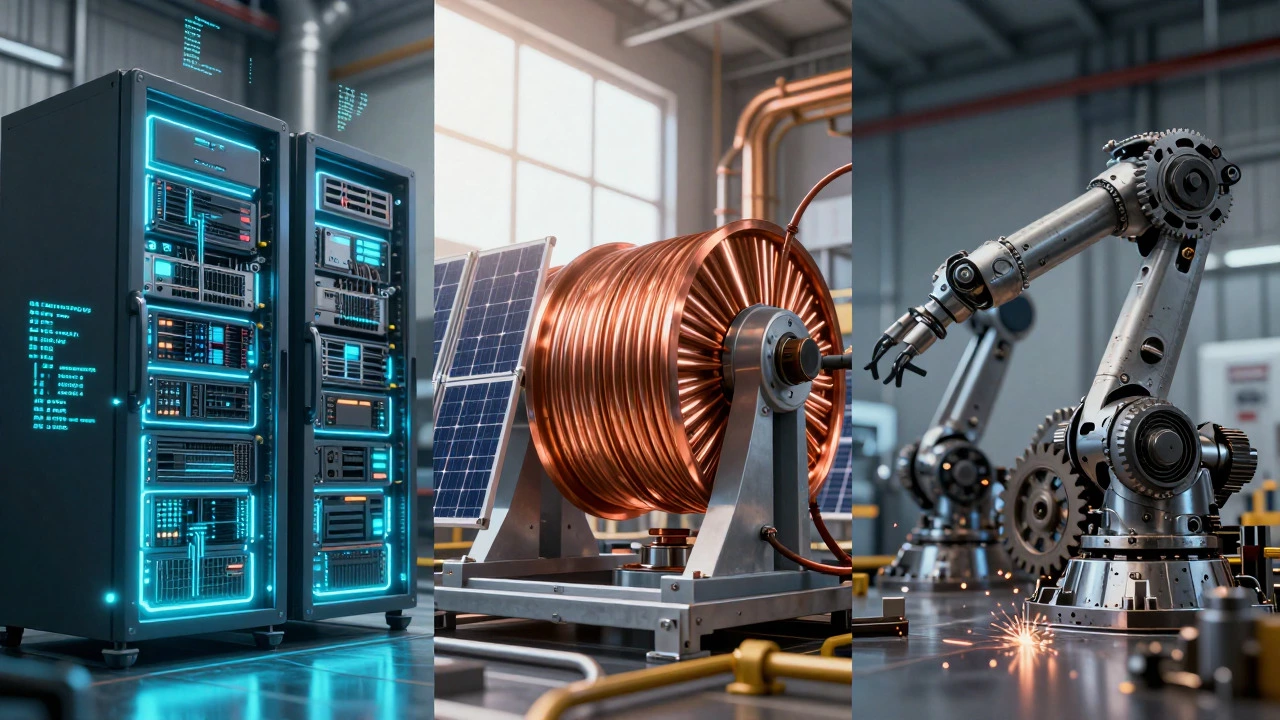
If CSE is the flashy sports car, Electrical Engineering (EE) is the reliable truck that can go anywhere. EE has seen a massive resurgence due to the green energy transition. Solar power, electric vehicles (EVs), and semiconductor manufacturing are booming sectors. Companies like Tesla, Intel, and Indian giants like Tata Power actively recruit EE graduates. The curriculum is tough-think heavy math and physics-but the job security is often higher than in tech. You aren’t as vulnerable to sudden layoffs because infrastructure and energy are essential services.
Mechanical Engineering (ME) holds its ground as the third pillar. It’s the oldest branch, which means the alumni network is deep and wide. ME students have diverse options: they can go into traditional manufacturing, automotive, aerospace, or even pivot to software with enough self-study. However, starting salaries in core mechanical roles generally lag behind CSE and EE. If you choose ME, you need to be proactive about adding software skills to your resume to stay competitive.
| Branch | Avg. Starting Package (LPA) | Job Security | Coding Requirement | Best For |
|---|---|---|---|---|
| Computer Science (CSE) | 18 - 35+ | Medium (High Volatility) | Very High | Tech Enthusiasts, Startups |
| Electrical (EE) | 14 - 25 | High | Moderate | Energy Sector, Core Jobs |
| Mechanical (ME) | 10 - 18 | Medium-High | Low-Moderate | Manufacturing, Auto, Aerospace |
| Engineering Physics | 15 - 22 | Medium | High (Research) | Research, Academia, Quant Finance |
Beyond the Big Three: Niche Gems
Don’t sleep on the smaller branches. Engineering Physics is often underrated. It’s rigorous, covering quantum mechanics and advanced mathematics, which makes graduates highly attractive for research roles and quantitative finance firms. Banks and hedge funds love hiring physics majors because their problem-solving skills are sharp. Similarly, Aerospace Engineering is gaining traction with India’s growing space sector, including ISRO and private players like Skyroot. These branches offer lower cutoffs than CSE but provide distinct career paths that don’t compete directly with the flood of CS grads.
Another sleeper hit is Metallurgical and Materials Engineering. Sounds dry? Think again. Battery technology for EVs relies heavily on material science. Companies working on lithium-ion batteries and sustainable materials are hunting for talent here. If you like chemistry and hands-on lab work, this niche could put you ahead of the curve in the next decade’s energy revolution.
Does the Campus Matter More Than the Branch?
This is the classic debate. Is CSE at a newer IIT better than EE at IIT Bombay? Generally, the brand value of the older IITs (Bombay, Delhi, Madras, Kanpur, Kharagpur, Roorkee, Guwahati) carries weight for life. Recruiters often filter resumes based on the institute name first. So, an EE degree from IIT Bombay usually opens more doors than CSE from a newer IIT, unless you have exceptional projects or internships to back you up.
However, location plays a role too. IIT Delhi and Bombay are in major tech hubs, offering easier access to internships and networking events. IIT Madras has a strong startup ecosystem in Chennai. If you plan to work in tech immediately after graduation, proximity to industry helps. But remember, remote work has changed the game slightly. Still, physical presence at campus fairs gives you an edge in building relationships with recruiters.
How to Decide What’s Right for You
Stop looking at average packages alone. Look at the median. The mean salary is skewed by a few high-fliers; the median tells you what the typical graduate earns. Also, consider your own interests. Do you enjoy sitting at a computer for 8 hours a day? Or do you prefer working with hardware and circuits? Burnout is real. Students who force themselves into CSE despite hating coding often underperform compared to those who thrive in their chosen field.
- Check the Curriculum: Visit the official IIT website for the syllabus. Does it excite you or bore you?
- Talk to Alumni: Use LinkedIn to message seniors from specific branches. Ask about placement support and workload.
- Evaluate Your Rank: Be realistic. If you are borderline for CSE at IIT Delhi, consider EE at IIT Bombay instead of risking a drop year.
Ultimately, there is no universal "No. 1" branch. There is only the best branch for you. CSE wins on paper for money and flexibility, but EE and ME offer stability and diverse opportunities. Choose based on your strengths, not just the hype.
Is CSE always the highest paid branch in IITs?
Yes, statistically, Computer Science and Engineering (CSE) offers the highest average and median starting salaries across all IITs. This is driven by demand from IT companies, product-based startups, and consulting firms. However, top performers in other branches like Electrical or Engineering Physics can also secure comparable packages, especially in niche sectors like semiconductors or quantitative finance.
Can I switch from Mechanical to Software jobs later?
Absolutely. Many Mechanical Engineering graduates successfully pivot to software development roles. They typically learn programming languages like Python or Java through online courses and build personal projects. During placements, they apply to software roles alongside CSE students. Success depends on your coding proficiency and interview preparation, not just your branch tag.
Which IIT is best for Electrical Engineering?
IIT Bombay and IIT Delhi are widely considered the top choices for Electrical Engineering due to their strong faculty, research facilities, and industry connections. IIT Madras is also highly regarded, particularly for its integration with the local electronics manufacturing hub. All three offer excellent placement records in core electrical roles and tech companies alike.
Are new IITs good enough for CSE?
Newer IITs (like IIT Gandhinagar, Hyderabad, Indore) have improved significantly. Their CSE placements are now quite competitive, with many students getting offers from decent mid-tier companies and startups. However, the brand recognition and alumni network are still developing compared to the older IITs. If you get CSE at a top new IIT, it is a solid choice, but for elite tech roles, older IITs still hold an advantage.
What is the difference between Dual Degree and B.Tech?
A Dual Degree program (M.Tech + B.Tech) takes 5 years instead of 4. It includes more research work and a master's thesis. Graduates often pursue PhDs or specialized R&D roles. Placement opportunities are similar, but some core companies prefer dual degree holders for technical depth. It is ideal if you are interested in academia or advanced research positions.