Best Online Course Platform Finder
Answer these 3 questions to find the perfect platform for your learning journey in 2026.
Platform Name
TypeDescription goes here.
Why this fits you:
It is easy to get overwhelmed when you look for the right place to start learning something new. You have probably seen ads for every platform under the sun promising instant success. But which one actually works for a complete beginner who just wants to learn without getting lost in technical jargon or expensive fees?
Finding the best online course depends less on the brand name and more on how well the platform matches your learning style. Some people need strict deadlines to stay focused. Others prefer to watch videos at their own pace while eating lunch. In 2026, the market is crowded with options, but only a few stand out for truly helping beginners build real skills.
What makes an online course good for beginners?
A good beginner course has clear structure, hands-on projects, and accessible language. It should avoid assuming prior knowledge and provide immediate feedback on assignments.
Understanding Your Learning Style First
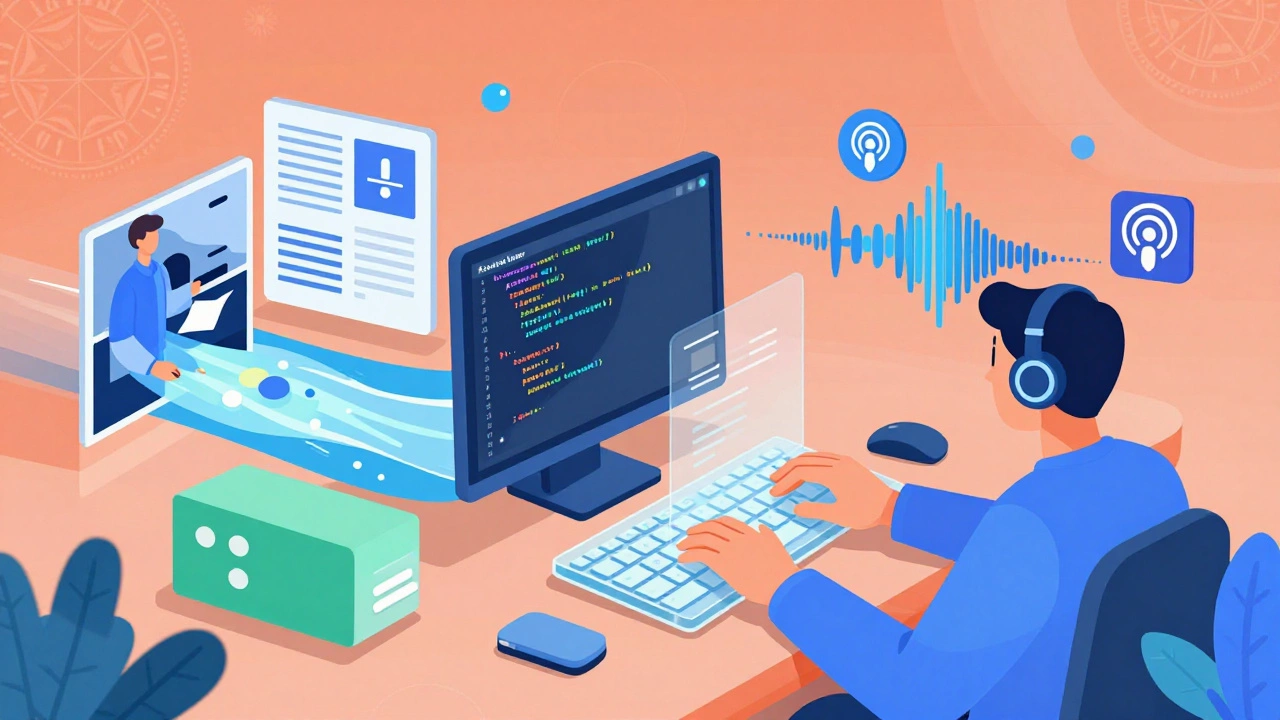
Before you spend any money, ask yourself how you actually learn. Do you like reading textbooks, watching short videos, or doing things by hand? This simple question determines which platform will feel natural to you and which will make you quit after two days.
If you are a visual learner, platforms that rely heavily on text-heavy lectures might frustrate you. On the other hand, if you learn by doing, a platform that only offers passive video watching won't help you retain information. The key is matching the medium to your brain's preference.
- Visual Learners: Look for platforms with high-quality video production and infographics.
- Kinesthetic Learners: Choose courses with coding environments, simulations, or practical assignments.
- Auditory Learners: Seek out podcasts, narrated slides, and discussion forums where you can listen to peers.
Many beginners fail not because they lack intelligence, but because they pick a format that fights against their natural habits. Identifying this early saves time and frustration.
Top Platforms for Absolute Beginners
Not all platforms are created equal. Some are designed for university students looking for academic credits, while others focus on quick job-ready skills. Here is a breakdown of the most popular options and who they are really for.
Coursera is a global leader in offering courses from top universities and companies like Google and IBM. It is excellent if you want recognized certificates that look good on a resume. However, it can be pricey if you want the certificate, though you can often audit courses for free.
Udemy is a marketplace where individual instructors sell courses on almost any topic imaginable. Prices vary wildly, but sales often drop courses to $10-$15. It is great for specific, practical skills like Excel or Photoshop, but quality control is inconsistent since anyone can teach.
Khan Academy is a non-profit organization providing free education on math, science, computing, and humanities. It is arguably the best starting point for foundational knowledge because it is completely free and structured logically from basic to advanced concepts.
| Platform | Best For | Cost Model | Certificate Value |
|---|---|---|---|
| Coursera | Academic depth & career switching | Subscription or per-course fee | High (University-backed) |
| Udemy | Specific software skills | One-time purchase (often discounted) | Medium (Completion proof) |
| Khan Academy | Foundational academics (Math/Science) | Free | Low (No formal cert) |
| edX | University-level rigor | Free audit / Paid cert | High (Harvard/MIT backed) |
The Importance of Hands-On Projects
Watching a video about cooking doesn't make you a chef. Similarly, watching a tutorial on Python programming doesn't make you a developer. The biggest mistake beginners make is consuming content without producing anything.
Look for courses that force you to build something. If you are learning graphic design, you should create a logo. If you are learning digital marketing, you should run a small ad campaign. These projects become your portfolio, which is far more valuable to employers than a piece of paper saying you finished a module.
Platforms like Codecademy excel here by integrating the coding environment directly into the browser. You type code, see errors immediately, and fix them. This feedback loop is critical for beginners who don't know how to set up complex development environments on their own computers.
Budgeting for Your Education
You do not need to spend thousands of dollars to start learning. In fact, some of the best resources are free. However, "free" often comes with hidden costs, such as no instructor support or no verified certificate.
Here is a realistic budget guide for beginners in 2026:
- $0 - Free Resources: Khan Academy, YouTube tutorials, library access to LinkedIn Learning.
- $10 - $50: Udemy courses on sale, individual modules on Coursera.
- $40 - $70/month: Subscription models like Coursera Plus or Skillshare, giving access to hundreds of courses.
- $500+: Specialized bootcamps or professional certification exams (like AWS or PMP).
Start with the free options. If you find yourself genuinely interested and stuck, then invest in a paid course or mentorship. Never buy a course hoping it will motivate you; motivation usually follows action, not the other way around.
Avoiding Common Beginner Traps
Shiny object syndrome is real. You start a course on data science, get bored, switch to web development, get confused, and then try digital marketing. This hopping prevents deep learning.
Stick to one topic for at least three months. Depth beats breadth in the early stages. Another trap is ignoring community. Most platforms have discussion forums. Participating there helps you clarify doubts and keeps you accountable. Seeing others struggle with the same problem normalizes your experience and reduces the fear of asking "stupid" questions.
Also, beware of outdated content. Technology changes fast. A course on SEO from 2020 might be teaching techniques that Google has already penalized. Always check the last update date before enrolling. If a course hasn't been updated in over a year, proceed with caution.
Building a Sustainable Learning Habit
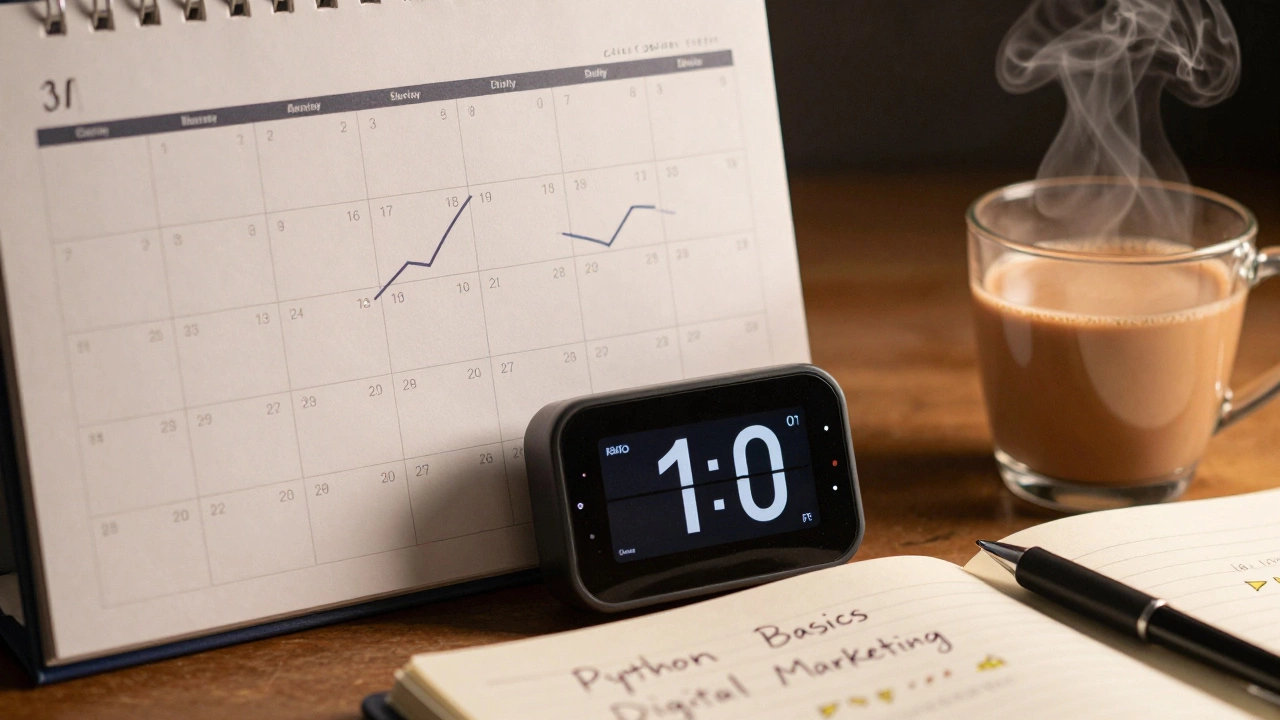
Success in online learning isn't about cramming for ten hours on Sunday. It is about consistency. Aim for twenty minutes a day rather than five hours once a week. Small, frequent sessions help your brain consolidate information better than marathon study sessions.
Use the Pomodoro Technique: study for 25 minutes, break for 5. This keeps your mind fresh. Additionally, track your progress visually. Check off completed modules on a calendar. The psychological reward of seeing a streak builds momentum.
Remember, the goal is not just to finish a course but to apply what you learned. Start a small project related to your field within the first week. Even if it is imperfect, the act of application cements the knowledge.
Next Steps for Your Journey
Now that you understand the landscape, take action today. Pick one skill you want to improve. Search for "beginner [skill] course" on Coursera, Udemy, and Khan Academy. Read the reviews, check the syllabus, and sample the first lesson. See which instructor's voice resonates with you.
If you are still unsure, start with Khan Academy for fundamentals or a highly-rated Udemy course for practical skills. Commit to one hour a day for the next two weeks. Evaluate your progress then. Adjust your strategy based on what works, not what looks impressive on paper.
Are free online courses worth it?
Yes, especially for beginners. Platforms like Khan Academy and edX offer high-quality content for free. While they may lack verified certificates, the knowledge gained is identical to paid versions. Use free courses to test your interest before investing money.
How long does it take to complete a beginner course?
Most beginner courses range from 4 to 12 weeks depending on intensity. Self-paced courses allow you to speed up or slow down. A realistic expectation is 5-10 hours of work per week for a standard certificate program.
Do employers care about online certificates?
Employers value skills over certificates. However, certificates from reputable providers like Coursera (with university backing) or industry-specific bodies (like Google or Microsoft) can help get your resume past automated filters. They signal commitment and baseline competence.
What is the difference between Coursera and Udemy?
Coursera partners with universities and corporations to offer structured, academic-style courses often leading to degrees or professional certs. Udemy is a marketplace where individuals sell courses on niche topics. Coursera is better for career pivots; Udemy is better for learning specific tools quickly.
Can I learn coding without any prior experience?
Absolutely. Many platforms offer "Intro to Programming" courses designed for absolute zero knowledge. Languages like Python and JavaScript are particularly beginner-friendly due to their readable syntax and large supportive communities.