Distance Education in India: What You Really Need to Know
When you think of distance education, a system of learning where students and teachers are physically separated and connected through digital or mailed materials. Also known as online learning, it’s no longer just for people who can’t attend college—it’s now the main path for millions of working adults, rural students, and parents juggling life and study. In India, where access to quality schools is uneven, distance education fills the gap. It’s not a backup plan anymore. It’s the only plan for many.
What makes this work? It’s not just about watching videos. e-learning, the use of digital platforms and tools to deliver education remotely powers most programs today. Platforms like Moodle, Google Classroom, and state-run portals let students submit assignments, join live sessions, and even take exams online. But it’s not all smooth. virtual classrooms, real-time digital spaces where teachers and students interact live over the internet sound great until your internet drops mid-lecture, or you’re sharing a phone with three siblings. And while employers are slowly warming up to degrees earned this way, many still don’t trust them—especially if they lack hands-on labs, internships, or direct mentorship.
Here’s the truth: distance education doesn’t make learning easier. It makes it possible. For a student in a village in Jharkhand with no nearby college. For a single mom in Mumbai trying to finish her degree after work. For someone in Assam who can’t afford to move to a city. But it demands something you won’t find in a syllabus: discipline. Self-motivation. The ability to keep going when no one’s watching. The best programs don’t just send you PDFs—they give you structure, feedback, and community. The worst? They leave you alone with a login and a prayer.
Below, you’ll find honest takes on what’s broken in distance learning today—and what’s actually working. From the hidden downsides no one talks about, to how tech is finally making online study feel less like a chore and more like real education. No fluff. Just what you need to decide if this path is right for you—or someone you care about.
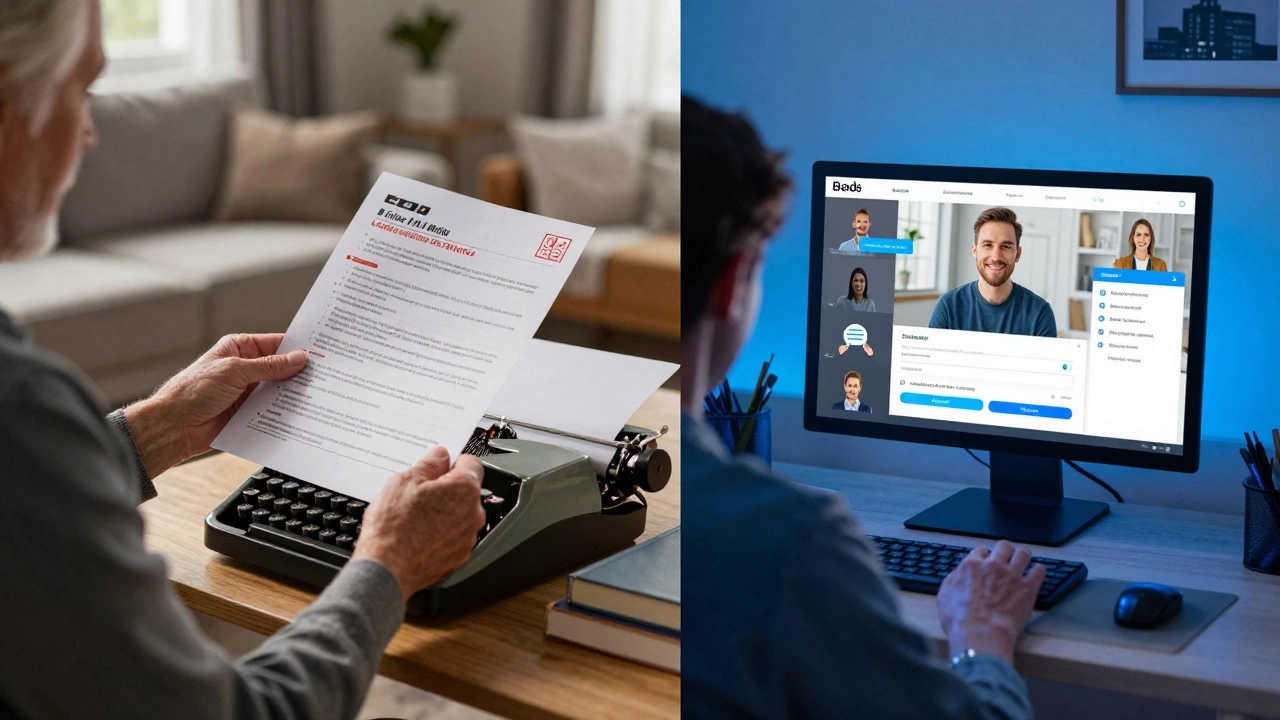
What Is the Difference Between Distance and Online Learning?
Distance learning and online learning both let you study remotely, but they work very differently. One uses mail and printed materials; the other uses live sessions and digital tools. Know which one suits your needs.
What Are the Real Disadvantages of Distance Education?
Distance education offers flexibility but comes with real challenges: isolation, tech barriers, lack of hands-on training, employer skepticism, and unfair assessments. Learn the hidden downsides before enrolling.
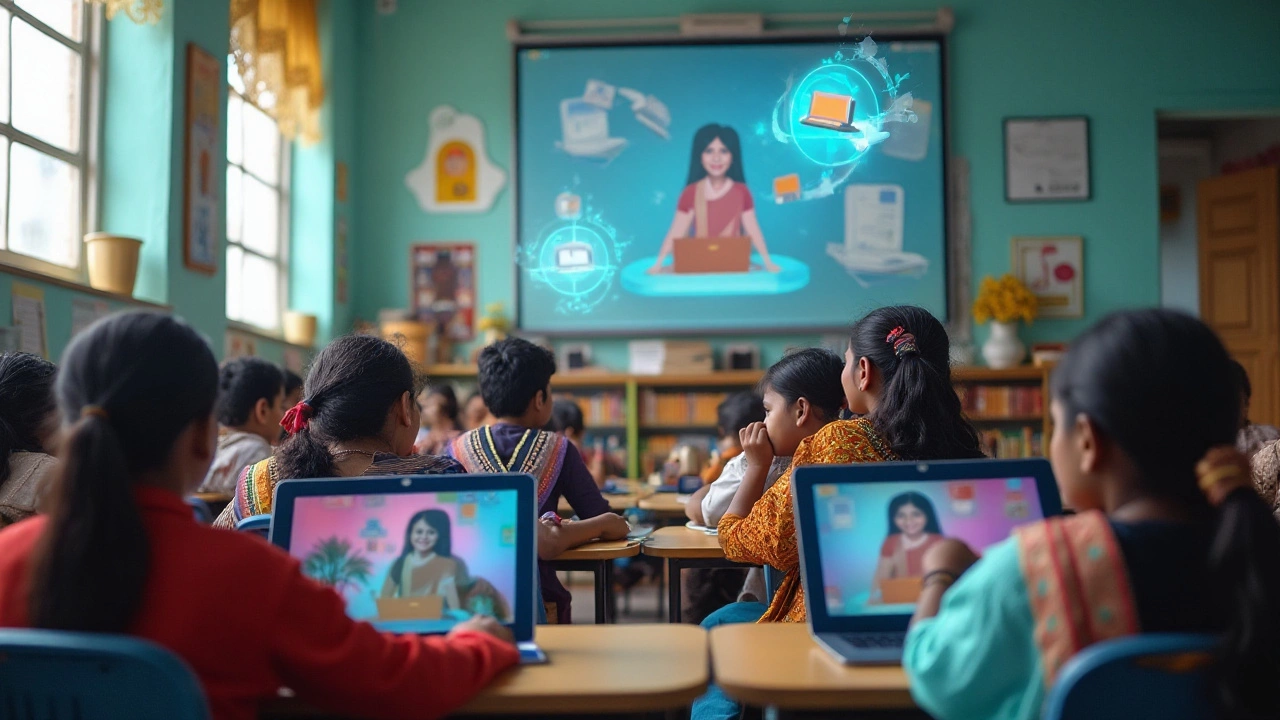
Exploring the Mechanics of Distance Learning in 2025
Distance learning has evolved rapidly and provides a flexible education solution for students worldwide in 2025. This article delves into the structure and functionality of distance education, presenting insights and tips on how students and educators can maximize the benefits. With interactive platforms and digital resources, distance learning has reshaped traditional education. Discover how technology is bridging the gap between learners and knowledge.