e-Learning in India: What Works, What Doesn’t, and How to Make It Stick
When we talk about e-learning, a method of learning through digital platforms that replaces or supplements traditional classroom teaching. Also known as online learning, it’s no longer just a backup option—it’s the main road for millions of students, career changers, and professionals across India. From a 50-year-old learning Python at home to a NEET aspirant using spaced repetition apps, e-learning is everywhere. But here’s the catch: most online courses fail because they’re just videos and quizzes with no real interaction. The ones that work? They make you do something—solve a problem, build something, get feedback. That’s the difference between scrolling and learning.
What makes e-learning stick isn’t the platform—it’s the design. interactive eLearning, courses built around choices, feedback loops, and micro-actions that keep learners engaged turns passive viewers into active participants. Think of it like a video game: you don’t just watch the hero win—you make the moves. That’s why courses that ask you to write code, fix a mistake, or explain a concept in your own words outperform those that just play clips. And it’s not just for tech learners. NEET toppers use active recall and mind maps because they know memory isn’t built by watching—it’s built by retrieving. Meanwhile, distance education, a broader term that includes any learning done remotely, often without real-time interaction often fails because it ignores isolation. No one talks about how lonely it feels to study alone for months with no one to ask, “Did I get this right?”
Tools matter, but only if they match your goal. Google Classroom can lock you out if your school controls it. Free platforms like Skillshop or YouTube can teach you coding, but they won’t hold you accountable. The best e-learning blends structure with freedom: clear milestones, real projects, and community. You don’t need a degree to get hired as a coder—you need proof you can build something. That’s what the posts below show: real stories of people who used e-learning to change their lives, not just pass a test. Whether you’re trying to crack NEET, switch careers after 50, or finally finish that course you started two years ago, the path isn’t about more content. It’s about smarter design, better habits, and knowing what actually works.
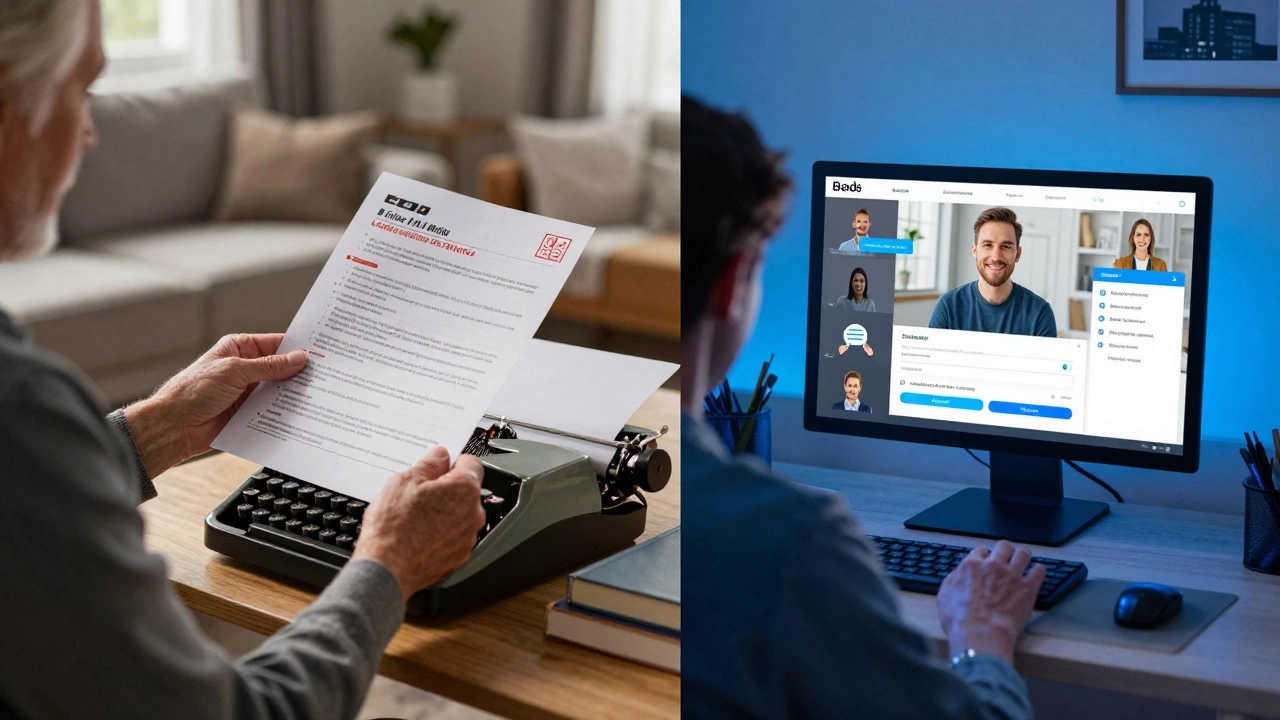
What Is the Difference Between Distance and Online Learning?
Distance learning and online learning both let you study remotely, but they work very differently. One uses mail and printed materials; the other uses live sessions and digital tools. Know which one suits your needs.

Biggest Problem with E-Learning: Why Engagement Takes the Hit
What's really holding e-learning back? This article looks past the usual tech complaints to zero in on the struggle to keep students engaged. You'll see how this engages (or bores) learners, why it’s more than just a screen issue, and what can actually make online learning stick. There are even some practical tips if you’re stuck staring at another Zoom class or online course. Get ready for honest insight with zero sugarcoating.
Is E-Learning an App? Clearing Up the Confusion
People often mix up e-learning with apps, but there's a big difference. This article looks at what e-learning actually means and explains why not all e-learning happens through an app. It covers the many ways e-learning is delivered and gives real-life examples to make things clear. You'll also get practical tips for choosing the right kind of e-learning for your needs. By the end, you'll know exactly where an app fits into the bigger e-learning picture.
Which Learning Platform Pays the Most? Real Numbers, Real Stories
Curious about which e-learning platform offers the highest payouts for instructors? This article breaks down real earning numbers from top platforms, shares behind-the-scenes payment models, and gives insider tips to help teachers maximize income. Learn where you can make the most, what influences your pay, and what traps to avoid. It's all about making smart choices in the world of online course revenue. Whether you're just starting or already teaching, this guide has got your back.

Discovering the Best Online Skills to Master
Finding the best online skills to learn can transform how you engage with the digital world, whether it’s for personal growth or to boost your career. From mastering a new language to gaining cutting-edge tech skills, the right online course can open doors. Get insights on choosing what's right for you and how these skills can make a tangible impact on your life. Explore tailored advice to pick courses that align with your needs and goals.
What Does LMS Stand For In E-Learning?
LMS stands for Learning Management System, a term crucial in online education. This powerful tool helps create, manage, and deliver content in a virtual learning environment. With e-learning growing, understanding LMS is essential for creating effective courses. Discover the functions, benefits, and real-world applications of LMS in modern education.
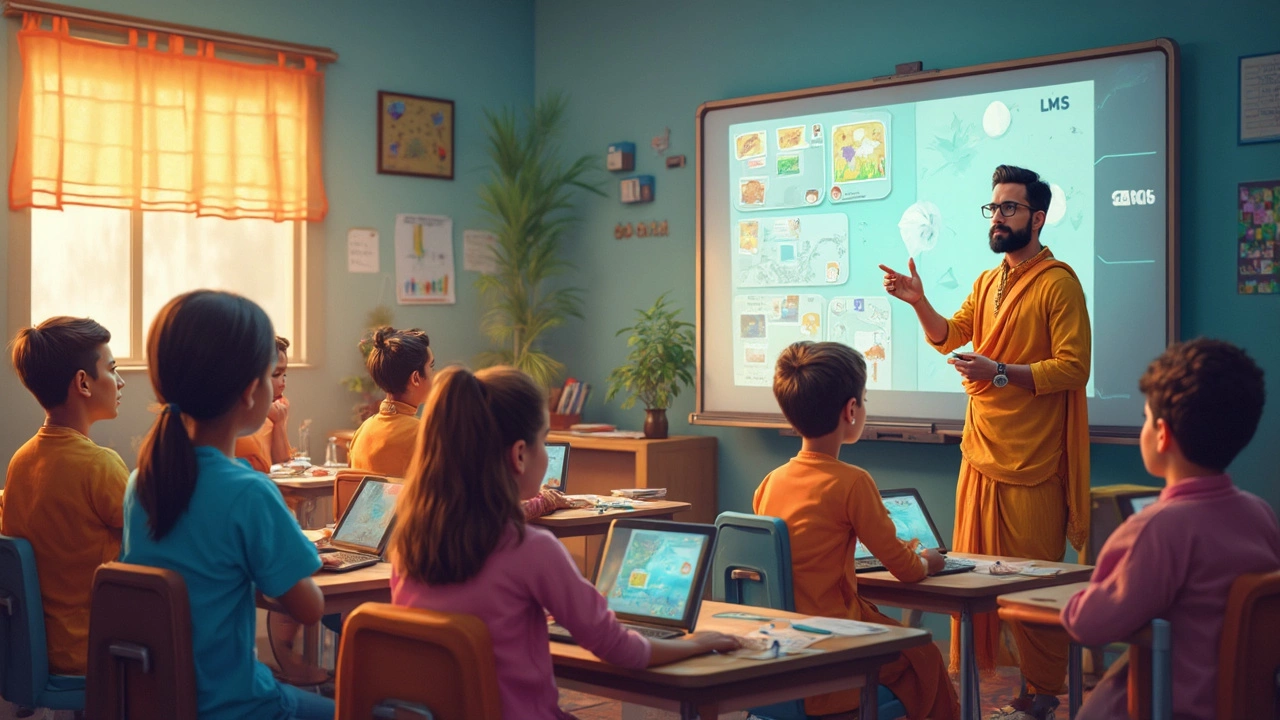
Understanding LMS and SCORM: What's the Difference?
LMS (Learning Management Systems) and SCORM (Sharable Content Object Reference Model) are key components in the e-learning ecosystem. Grasping the difference between them is crucial for anyone involved in online education. While an LMS manages the delivery and tracking of educational content, SCORM ensures the content can be reused across various platforms. This article explores how these technologies complement each other, enhancing learning experiences everywhere.

How to Create a Free Online Course
Are you eager to share your knowledge with the world without spending a dime? Creating an online course is a delightful way to reach a global audience while showcasing your expertise. This guide explores the essential steps to launching a course online for free, covering platforms, content creation, and engaging students. Discover tips and features of popular platforms, and learn how to design an engaging, educational experience.
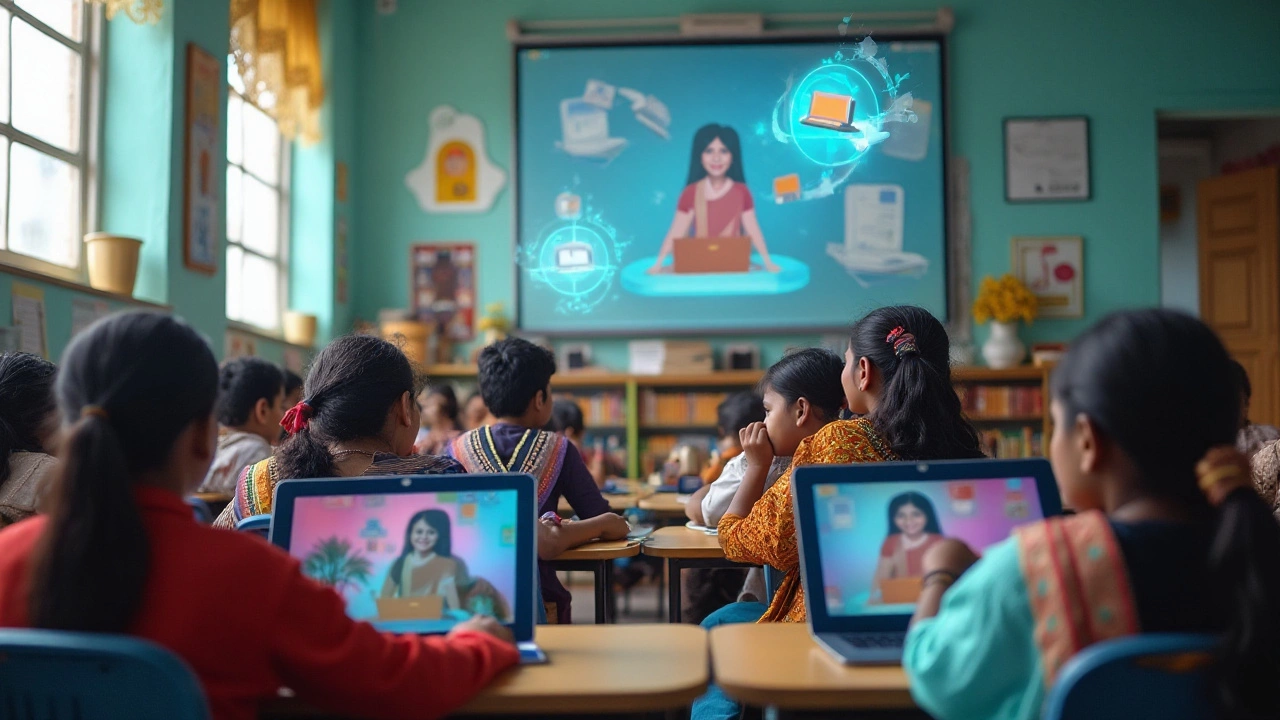
Exploring the Mechanics of Distance Learning in 2025
Distance learning has evolved rapidly and provides a flexible education solution for students worldwide in 2025. This article delves into the structure and functionality of distance education, presenting insights and tips on how students and educators can maximize the benefits. With interactive platforms and digital resources, distance learning has reshaped traditional education. Discover how technology is bridging the gap between learners and knowledge.

Understanding E-Learning Platforms: The Future of Education
An e-platform serves as a digital gateway to a world of learning opportunities. It enables learners from all around the globe to access educational resources, classes, and tools from the comfort of their own space. In 2025, these platforms have become integral to how students and educators interact, breaking geographical barriers and accommodating diverse learning styles. Beyond just traditional courses, e-learning platforms offer innovative features such as interactive simulations, live sessions, and personalized learning pathways. Whether you are a student or someone seeking personal development, understanding these platforms can open up myriad possibilities.