IB Curriculum: What It Is, How It Works, and Why It Matters in India
When you hear IB curriculum, a globally respected, inquiry-based education system designed for students aged 3 to 19. Also known as the International Baccalaureate, it’s not just another syllabus—it’s a way of thinking that asks students to connect ideas across subjects, question assumptions, and apply learning to real life. Unlike traditional boards like CBSE or ICSE, the IB doesn’t just test memory. It tests understanding, critical thinking, and the ability to communicate across cultures. That’s why over 5,000 schools worldwide, including growing numbers in India, choose it for students aiming for top universities abroad—or even for those who want a deeper, more meaningful school experience at home.
The IB diploma, the final two-year program for 16- to 19-year-olds, is the most recognized part of the curriculum. It requires students to take six subjects—three at higher level, three at standard—plus complete a 4,000-word extended essay, a theory of knowledge course, and 150 hours of creativity, activity, and service. This isn’t optional fluff. It’s the core. And it’s why universities from Harvard to Oxford treat IB students differently. Meanwhile, IB schools in India, private institutions often found in metro cities like Delhi, Mumbai, and Bangalore. Also known as international schools, they cater to expats, returning NRI families, and Indian students seeking a global edge. These schools don’t just teach science or history—they teach students how to learn, how to research, and how to adapt when the world changes.
Many parents in India compare the IB curriculum to CBSE, wondering which is easier. But that’s the wrong question. The IB doesn’t aim to be easier—it aims to be deeper. While CBSE prepares students for competitive exams like JEE and NEET through structured memorization, the IB builds lifelong skills: writing clearly under pressure, managing long-term projects, balancing multiple deadlines, and defending your ideas. That’s why so many IB graduates end up in top global universities. But it’s not for everyone. The workload is heavy. The grading is strict. And the cost? Often 3 to 5 times higher than CBSE schools. Still, for families who value independent thinking over rote learning, it’s the only choice.
Below, you’ll find real insights from parents, students, and educators who’ve lived through the IB system in India. From how it stacks up against CBSE in terms of stress and outcomes, to what it actually takes to succeed without burning out, these posts cut through the hype. You’ll see what works, what doesn’t, and why some students thrive while others struggle. Whether you’re considering the IB for your child, teaching in one, or just trying to understand why it’s so talked about, this collection gives you the unfiltered truth—not the brochures.
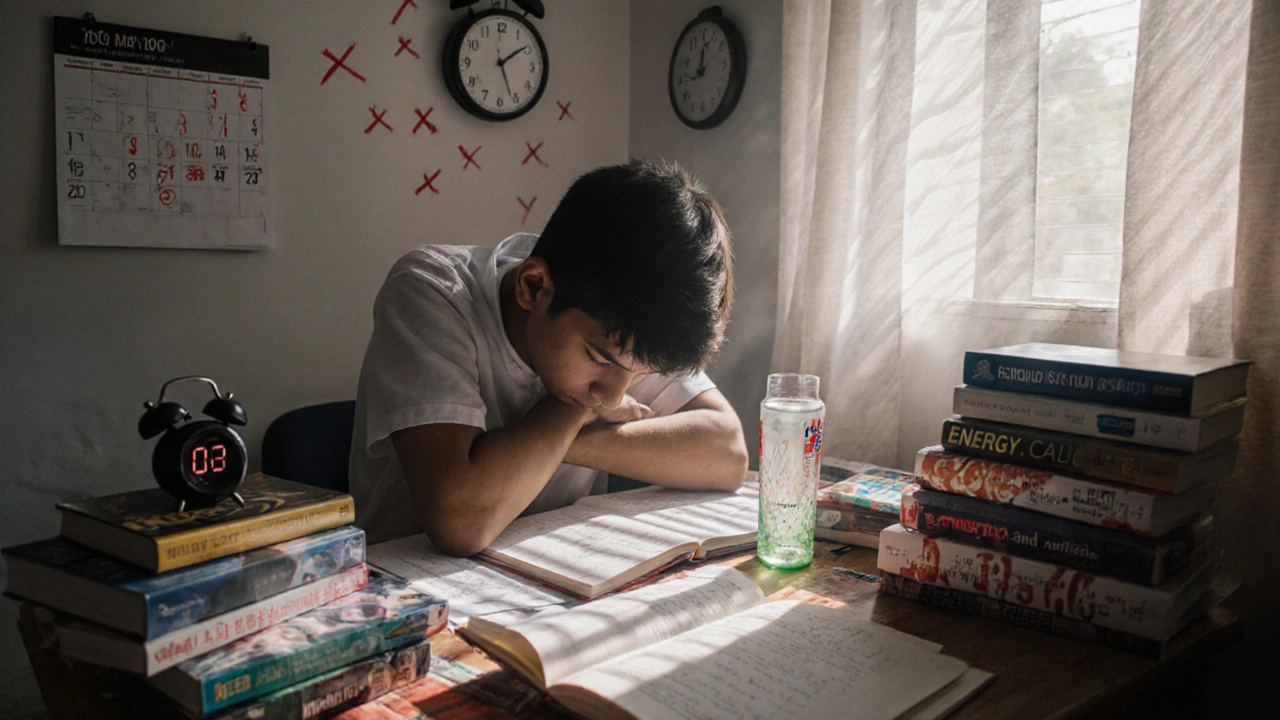
Which Is the Hardest School Syllabus in the World? CBSE vs. ICSE, IB, and Other Global Systems
The CBSE syllabus, especially when paired with IIT JEE prep, is one of the most demanding school curricula globally due to its intense content, high-pressure exams, and societal expectations. Here's how it compares to ICSE, IB, and the Gaokao.