Indian students: What they face, learn, and achieve in today's education system
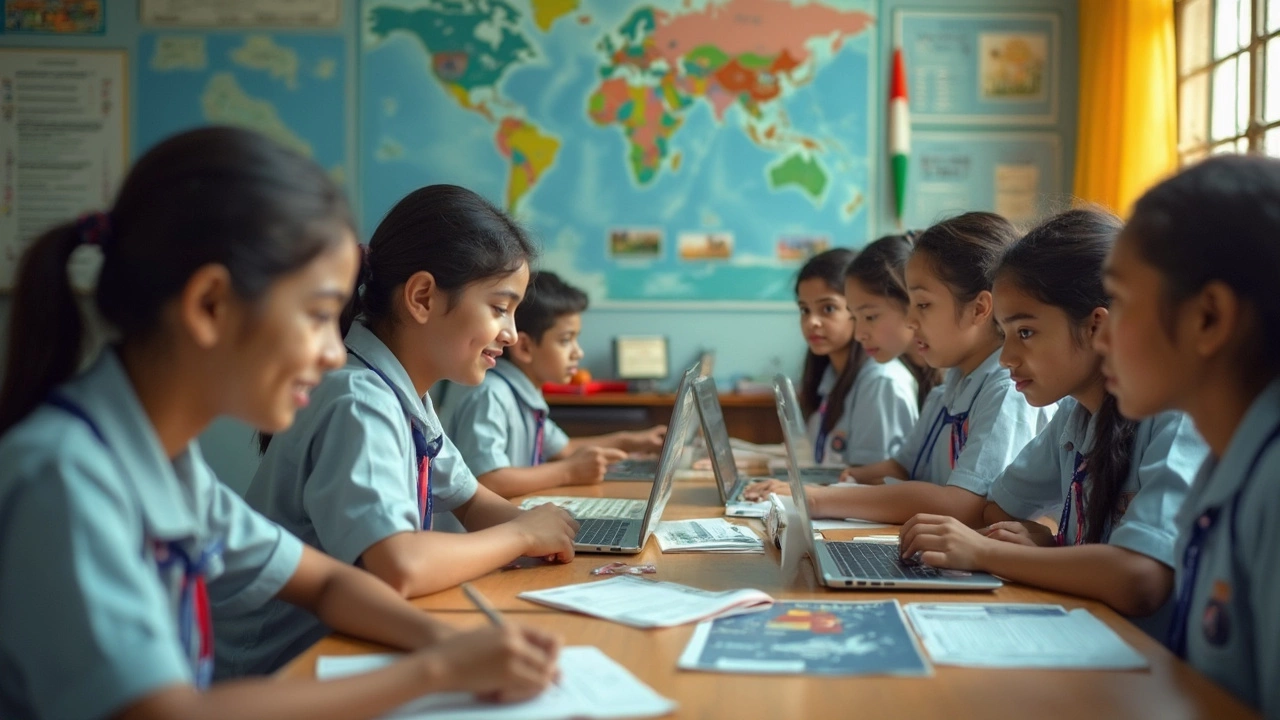
When you think of Indian students, millions of young learners navigating a vast, complex, and often demanding education system across urban centers and rural villages. Also known as schoolgoing youth in India, they are the backbone of a system that educates over 250 million children—from primary school to postgraduate levels. This isn’t just about textbooks and exams. It’s about pressure, opportunity, and survival in a system where a single test can change a life.
CBSE students, the largest group in India’s school system, with over 2.5 crore enrolled. Also known as Central Board of Secondary Education learners, they face standardized testing from an early age, with exams shaping everything from school rankings to college admissions. Meanwhile, NEET preparation has become a full-time job for hundreds of thousands aiming for medical school. Also known as National Eligibility cum Entrance Test candidates, they spend years memorizing human physiology, mastering organic chemistry, and grinding through mock tests—often under intense family pressure. And then there’s IIT JEE coaching, a billion-dollar industry built around turning teenagers into engineers at India’s top technical institutes. Also known as JEE aspirants, these students wake up before dawn, skip vacations, and sacrifice hobbies—all for a shot at one of 18,000 seats across 23 IITs.
But not every Indian student is in a coaching center or a CBSE school. Many learn through distance education, a growing alternative for those who can’t afford tuition, live far from cities, or need flexible schedules. Also known as online or remote learners, they struggle with poor internet, isolation, and skepticism from employers—but still push forward because they have no other choice. Others are self-taught coders, 50-year-olds switching careers, or students trying to balance part-time jobs with exams. The system doesn’t always support them, but they adapt anyway.
What ties all these stories together? A shared reality: Indian students are not passive recipients of education. They’re fighters, strategists, and survivors. They use spaced repetition to memorize biology chapters, build coding portfolios without degrees, and find free Google training when coaching fees are out of reach. Their success isn’t about luck—it’s about grit, resourcefulness, and sheer will.
Below, you’ll find real stories, hard numbers, and practical guides from students who’ve been there. Whether you’re an Indian student yourself, a parent, a teacher, or just curious about how education really works here, these posts cut through the noise. No fluff. Just what works—and what doesn’t.
Does Harvard Accept CBSE? What Indian Applicants Should Know
Curious if your CBSE marks will get you into Harvard? This article breaks down whether Harvard accepts CBSE results, what Indian students need to know about the application process, and how CBSE compares to other high school qualifications. Get real-world tips and insights to give your Ivy League dream the best shot possible.

Why Study in USA Instead of India? CBSE Students' Guide
Deciding between studying in the USA or sticking with India is a huge deal for CBSE students. This article breaks down real advantages the USA offers over Indian colleges, especially for those following the CBSE path. From better research facilities and flexible subject choices to an active campus life, it shows how American universities shape students for the real world. Expect practical tips to navigate admissions and bust a few myths along the way. This isn’t just hype — you’ll find facts, honest advice, and what to really expect when making such a big move.