Instructional Design: How to Build Learning That Actually Works
When you think of instructional design, the systematic process of creating effective learning experiences. Also known as learning design, it’s what turns boring lectures into something people actually remember. It’s not about slides, videos, or fancy platforms. It’s about understanding how people learn—and then building something that matches that reality. Too many online courses skip this step. They throw together a few videos, slap on a quiz, and call it done. That’s not instructional design. That’s digital clutter.
Good instructional design, the systematic process of creating effective learning experiences. Also known as learning design, it’s what turns boring lectures into something people actually remember. follows a clear structure: figure out what learners need to do, design activities that make them do it, give them feedback, and let them practice until it sticks. This is the same process used in top eLearning platforms and elite corporate training programs. It’s why some courses make you feel like you’ve learned something real, while others leave you scrolling away after five minutes. The difference? One was built with purpose. The other was built by guesswork.
It’s also why eLearning, digital learning delivered through technology, often with structured content and assessments. Also known as online learning, it’s become the backbone of modern education and training. works—or doesn’t. A poorly designed eLearning course feels like reading a manual in slow motion. A well-designed one feels like solving a puzzle with help at every step. You don’t need expensive tools. You need clarity. You need to know what the learner should be able to do after finishing. That’s the core of course design, the planning and structuring of learning materials to achieve specific outcomes. Also known as learning experience design, it’s the blueprint behind every effective lesson..
And it’s not just for tech or corporate training. Whether you’re teaching NEET biology, helping someone learn Python at 50, or guiding a student through IIT JEE prep, the same rules apply. The best NEET coaching doesn’t just give you notes—it gives you a path. The most effective coding tutorials don’t just show code—they make you write it, fix it, and use it. That’s instructional design in action.
It’s also why learning outcomes, the specific skills or knowledge a learner should gain by the end of a course. Also known as performance goals, they’re the compass for everything you build. matter more than content volume. A 20-minute course with one clear outcome beats a 2-hour course with ten vague goals. You don’t need to cover everything. You need to make sure they can do something new when they’re done.
And if you’ve ever wondered why some online courses keep people engaged while others die in silence, it’s because of eLearning stages, the four core phases—Analysis, Design, Development, and Implementation—that turn ideas into effective learning. Also known as ADDIE model, it’s the hidden engine behind every successful digital course.. Most people skip Analysis. They jump straight to building. That’s like building a house without checking the ground. The result? A course that looks good but doesn’t work.
What you’ll find here aren’t theories. They’re real examples from people who’ve cracked IIT JEE in six months, learned to code after 50, or built eLearning courses that actually kept learners hooked. These aren’t luck stories. They’re design stories. And if you’re trying to teach, learn, or build something that sticks—you need to see how it’s done.

What is the difference between eLearning and online learning?
Clarify the confusion between eLearning and online learning by exploring structure, technology, and use cases. This guide compares tracking methods, platforms, and delivery styles.
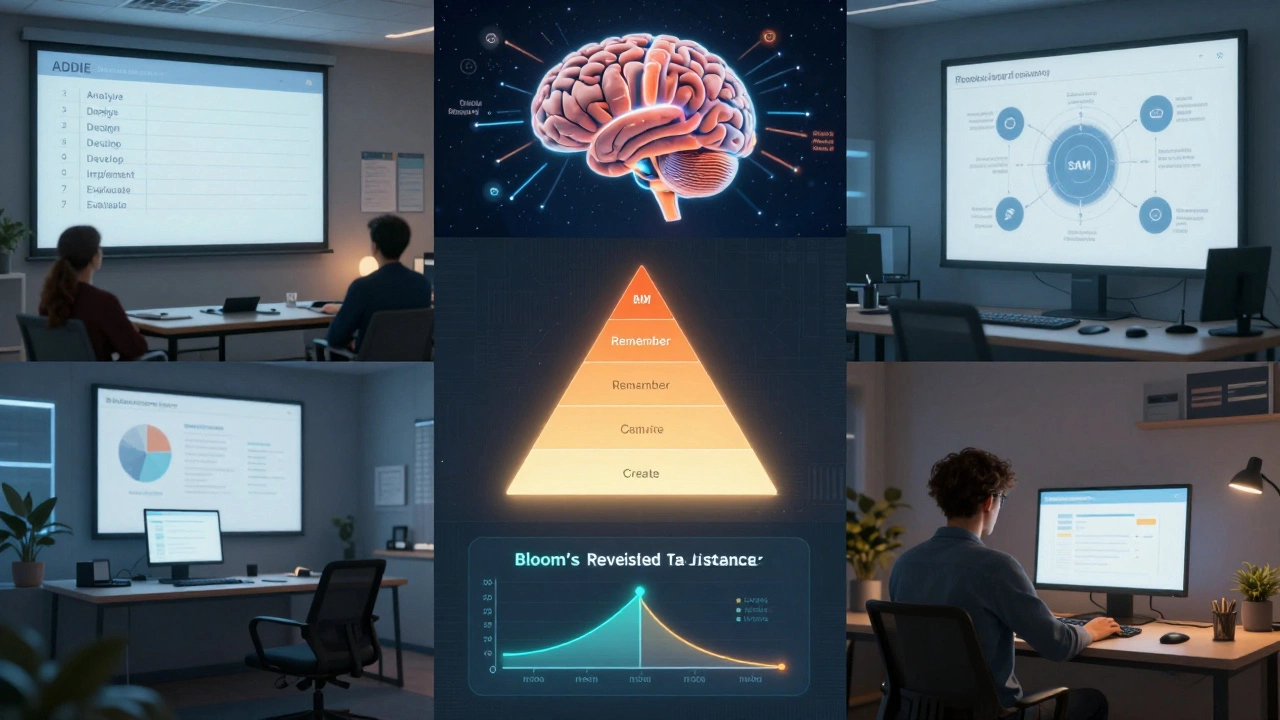
What Are the 5 eLearning Models Used Today?
Learn the five key eLearning models used today-ADDIE, SAM, Bloom’s Taxonomy, Gagne’s Events, and Moore’s Transactional Distance-and how to pick the right one for your learners. No fluff, just practical design insights.