Laws of Learning India Archive: 2025/11 - CBSE, NEET, Coding, and eLearning Trends
When thinking about CBSE syllabus, the most widely followed school curriculum in India, known for its rigorous academic structure and alignment with competitive exams like IIT JEE. Also known as Central Board of Secondary Education, it shapes the learning path of over 2.5 crore students across India and abroad, making it the backbone of school education in the country. This month’s collection dives deep into what makes this system so dominant—and how it stacks up against others like ICSE, IB, and even the Gaokao. It’s not just about content volume; it’s about pressure, expectations, and the real cost of high-stakes exams on students and families.
Alongside CBSE, NEET preparation, the national medical entrance exam that determines admission to medical colleges in India, requiring focused study in biology, chemistry, and physics. Also known as National Eligibility cum Entrance Test, it’s a make-or-break moment for hundreds of thousands of students every year. The posts here cut through the noise: biology is the king of NEET, and smart targeting of high-yield chapters beats cramming everything. You’ll find honest comparisons of coaching options—offline, online, hybrid—and what actually moves the needle for different types of learners. No fluff, just what works.
But learning isn’t just for teens. This archive also highlights how coding jobs, high-paying tech roles that reward skills over degrees, with entry-level salaries starting at $65,000+ in countries like Australia and growing rapidly in India. Also known as software development careers, they’re open to anyone who can build something real. People over 50 are switching careers. Self-taught coders are getting hired—not because they have a degree, but because they have portfolios, projects, and proof they can solve problems. And yes, those jobs pay well, but only if you focus on skills like cloud engineering or AI, not just basic Python.
Behind all this is the rise of eLearning, the process of delivering education digitally through structured stages like analysis, design, development, and implementation. Also known as online learning, it’s not just videos and quizzes—it’s about engagement, feedback, and real interaction. The posts show what makes eLearning stick: micro-interactions, learner choices, and clear goals. They also warn about the hidden downsides of distance education: isolation, tech gaps, and employers who still doubt online credentials.
These topics aren’t random. They’re connected. The same student preparing for CBSE and NEET might later consider a coding career. The same teacher designing an eLearning course might be helping someone over 50 switch jobs. The system is messy, demanding, and unfair in places—but it’s also full of real opportunities for those who know where to look. Below, you’ll find the tools, stats, and stories that show how learning actually works in India today—whether you’re 17 or 57.

Which Is the Hardest School Syllabus in the World? CBSE vs. ICSE, IB, and Other Global Systems
The CBSE syllabus, especially when paired with IIT JEE prep, is one of the most demanding school curricula globally due to its intense content, high-pressure exams, and societal expectations. Here's how it compares to ICSE, IB, and the Gaokao.

How Many Students Are There in CBSE Board in India?
CBSE serves over 2.5 crore students in India and abroad, making it the largest school board in the country. Learn why enrollment is growing, how it compares to other boards, and what’s changing in 2025.

Is 50 too old to learn coding? Real stories from people who started late and succeeded
It's never too late to learn coding. Real stories from people over 50 show that age isn't a barrier - persistence is. Free resources, practical projects, and community support make it possible to start now.

Is the CPA harder than the MCAT? A Real-World Comparison
The CPA and MCAT are both tough exams, but they test completely different skills. One is for future accountants, the other for future doctors. Here's how they really compare.
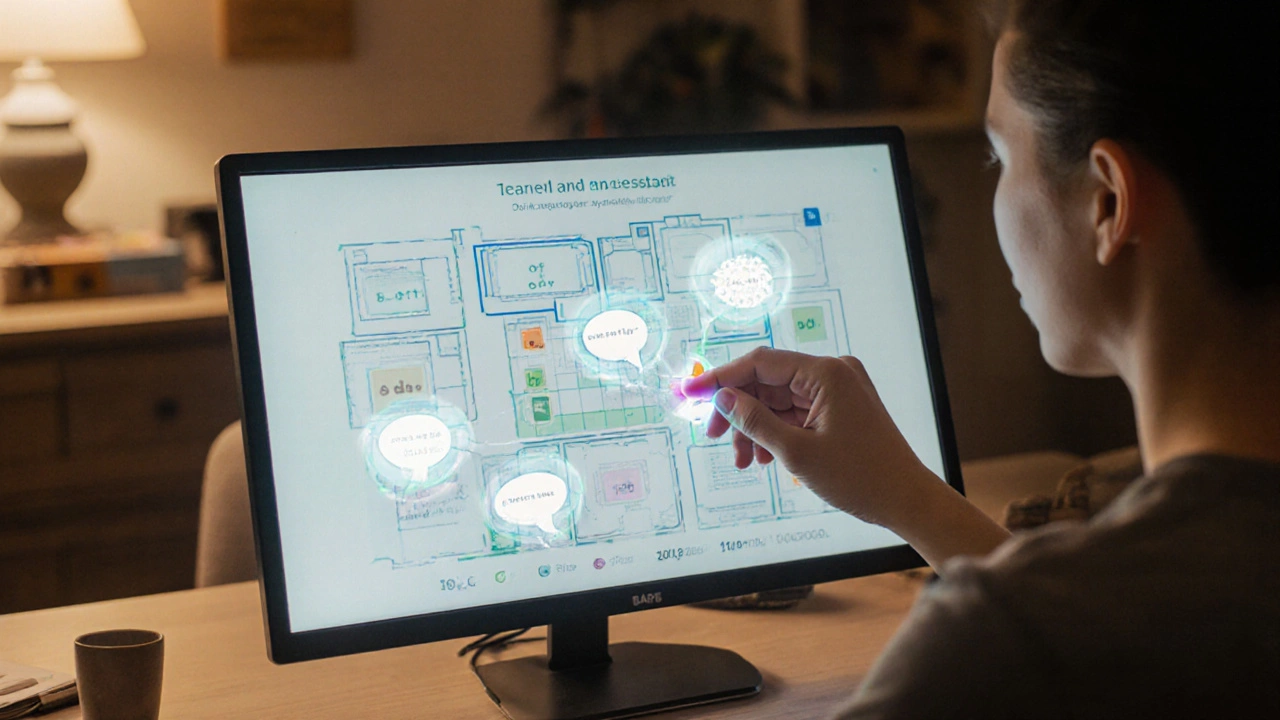
How to Create an Interactive eLearning Course That Actually Keeps Learners Engaged
Learn how to build interactive eLearning that actually engages learners using real choices, feedback, and micro-interactions-not just videos and quizzes. Start with simple tools and focus on what learners do, not just what they see.

What Are the Real Disadvantages of Distance Education?
Distance education offers flexibility but comes with real challenges: isolation, tech barriers, lack of hands-on training, employer skepticism, and unfair assessments. Learn the hidden downsides before enrolling.

Do self-taught coders get hired? Real hiring trends in 2025
Self-taught coders absolutely get hired in 2025-but only if they show real work. Learn how to build a portfolio, land interviews without a degree, and stand out in today’s job market.

Do Coding Jobs Pay Well? Real Salaries in 2025
Coding jobs pay well in 2025, with entry-level roles starting at $65,000+ in Australia. Specialized skills like cloud engineering and AI can push salaries past $150,000. No degree needed-just skills and projects.

What Are the 4 Stages of eLearning? A Simple Breakdown for Teachers and Learners
Learn the four essential stages of eLearning-Analysis, Design, Development, and Implementation-that turn ordinary online courses into effective learning experiences. No fluff, just what works.

Who is Best for NEET Preparation? Top Coaching Options Compared
Discover who is best for NEET preparation-offline coaching, online platforms, or hybrid models. Compare top institutes, costs, and what actually works for different types of students.

How to Get a Job in Local Government: A Step-by-Step Guide for 2025
Learn how to land a job in local government in 2025 with practical steps on finding openings, writing government-style resumes, preparing for interviews, and understanding the public sector culture.

Which Topic Is Most Important in NEET? Top Priority Subjects and How to Focus Smart
Biology is the most important topic in NEET, making up half the exam. Focus on Human Physiology, Genetics, and Plant Physiology for maximum marks. Chemistry and physics require smart targeting of high-yield chapters to maximize scores efficiently.