Python for Beginners: Learn to Code with Real Projects and No Experience
When you start with Python, a simple, readable programming language used for websites, data analysis, automation, and even AI. Also known as the beginner’s coding language, it’s the most popular choice for people starting from zero—no computer science degree, no prior experience, no fancy setup required. You don’t need to be a math genius or know how to fix a computer. You just need to want to make something work.
Python works because it lets you focus on solving problems, not memorizing syntax. It’s the language behind tools like Instagram’s backend, Netflix’s recommendation engine, and small business automations that save hours every week. People over 50 are learning it at home. High school students use it to build games. Teachers use it to grade papers faster. And companies hire self-taught coders because they can show real work—not just a diploma.
You’ll find guides here on how to start coding at home, what tools to use, and how to build projects that actually matter. You’ll see how people with no background got hired by showing their code, not their resume. You’ll learn why Python is the best first step for anyone who wants to understand how software works—not just use it. Whether you’re trying to switch careers, automate boring tasks, or just see what coding feels like, Python gives you the fastest path to real results.
The posts below aren’t theory. They’re real stories and step-by-step paths from people who started exactly where you are. No fluff. No jargon. Just what works when you’re learning on your own time, with no teacher watching over your shoulder.
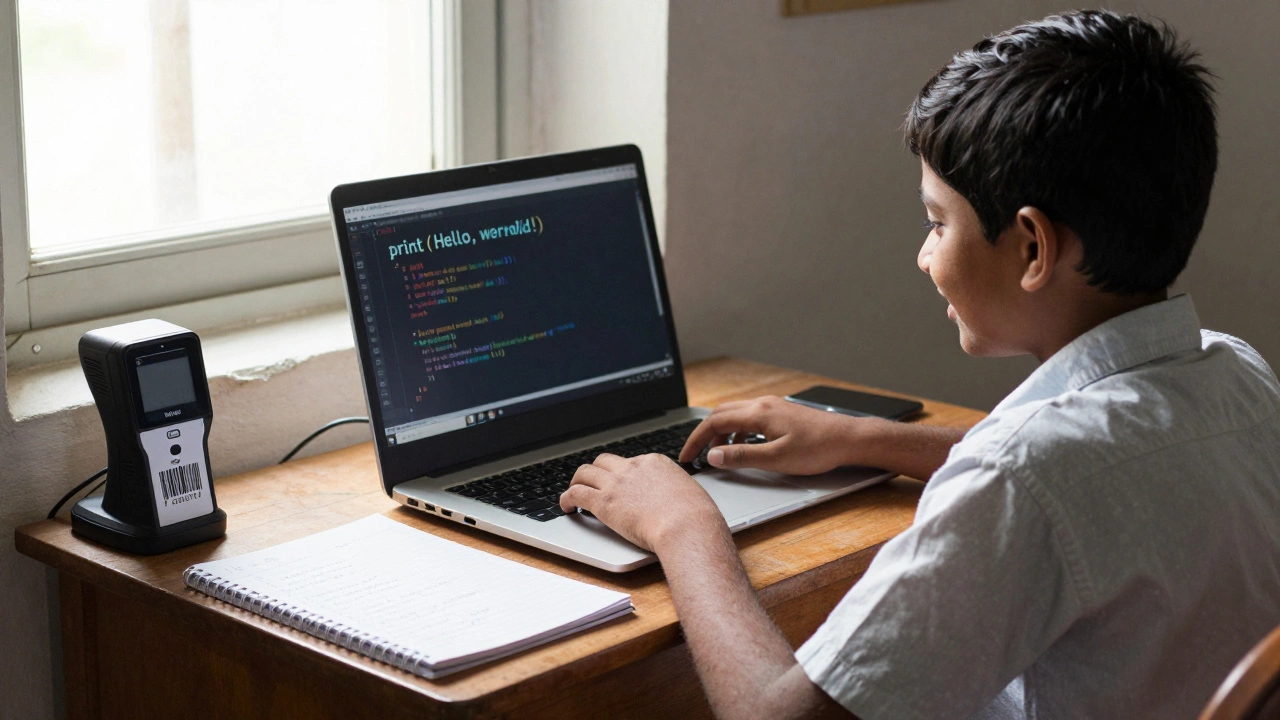
Best Coding Language for Beginners in 2026
Python is the best coding language for beginners in 2026 because it’s simple, powerful, and lets you build real projects fast. Learn how to start, what to avoid, and where to go next.
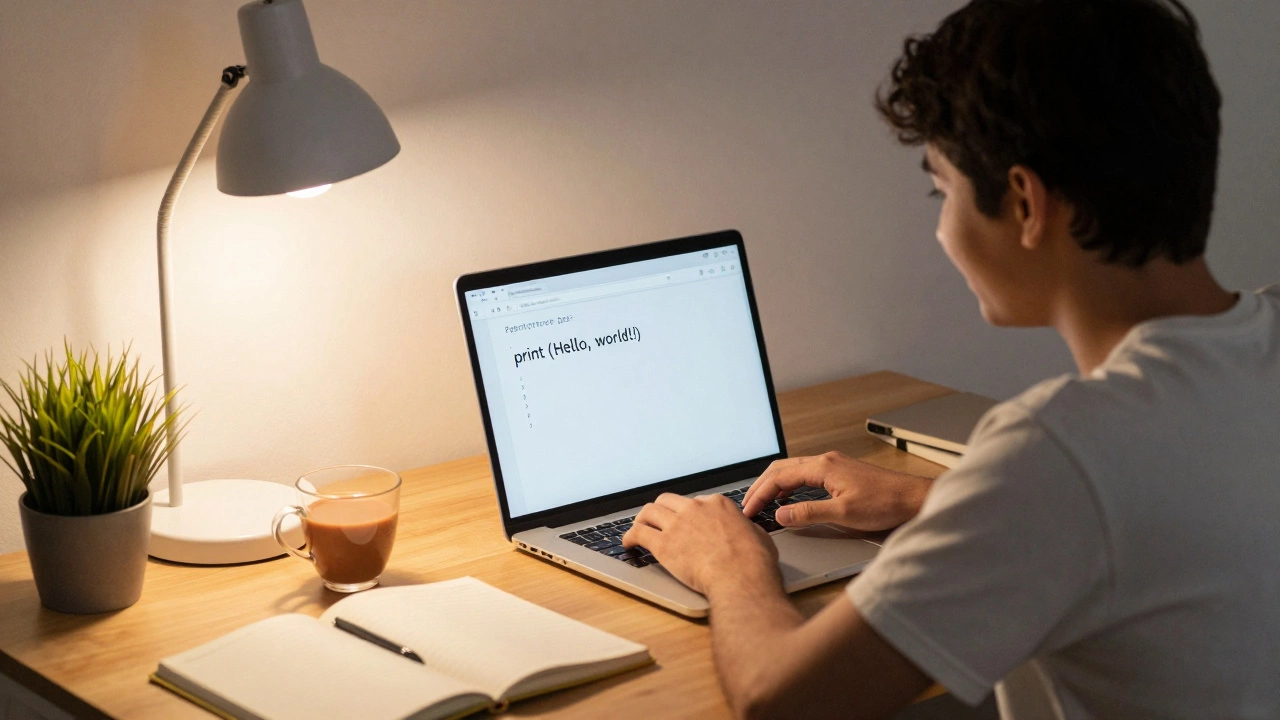
Which code to learn first? The best starting language for beginners in 2025
Python is the best programming language to learn first in 2025 for beginners. It’s simple, powerful, and opens doors to web dev, data science, and automation without overwhelming you.
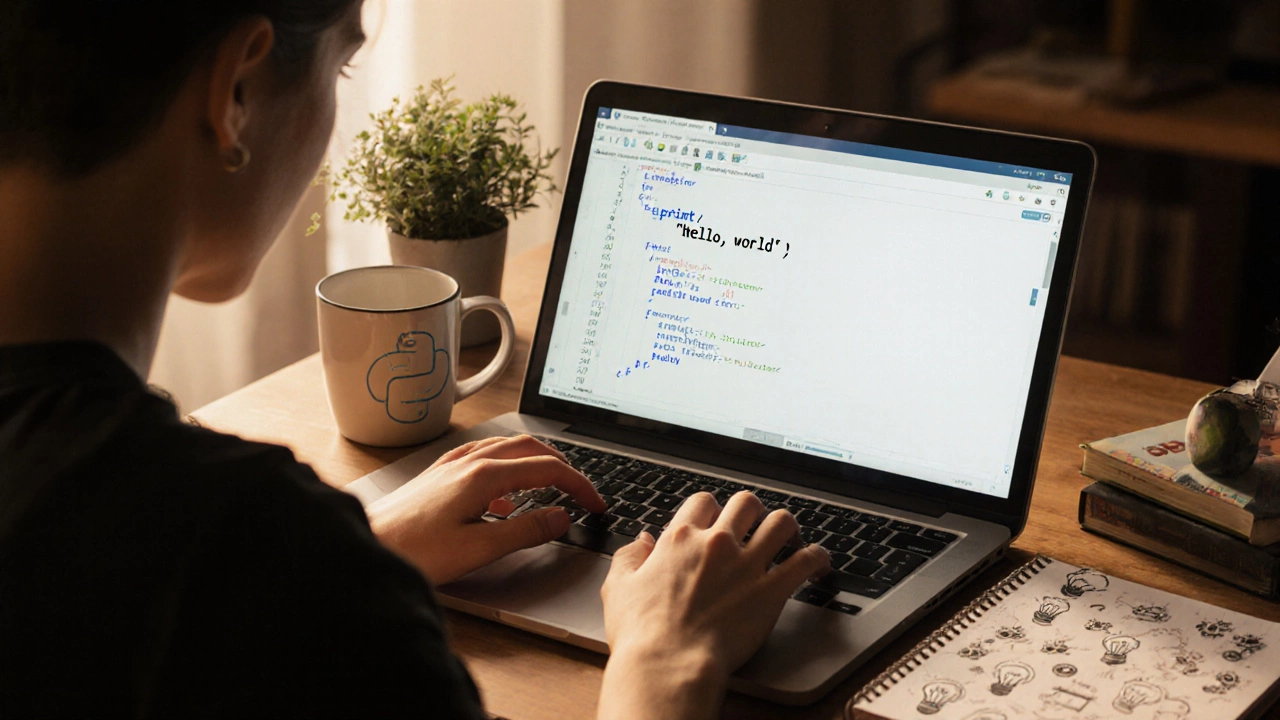
Which coding language should I learn first? A practical guide for beginners
Choosing your first coding language doesn't have to be confusing. Python and JavaScript are the top choices for beginners-each suited for different goals. Start with the one that helps you build something real, fast.