CBSE Syllabus: What It Is and Why It Matters for Indian Students
When you hear CBSE syllabus, the standardized curriculum set by the Central Board of Secondary Education for schools across India. Also known as Central Board of Secondary Education curriculum, it is the most followed school program in the country, used by over 2.5 crore students in India and abroad. It’s not just a list of topics—it’s the backbone of how millions of Indian students learn from Class 1 to Class 12, preparing them for board exams, college admissions, and even competitive tests like JEE and NEET.
The CBSE board, the national education authority that designs and updates the syllabus keeps its structure simple: science, math, English, and social studies form the core, with optional subjects like computer science or psychology added later. Unlike state boards that vary by region, CBSE is uniform across the country, making it easier for families who move often. It’s also the most recognized by universities in India and abroad, including top schools in the USA, Canada, and the UK. That’s why so many parents pick CBSE—not because it’s the easiest, but because it’s the most predictable. The 12th class degree, the final certification awarded after completing Class 12 under CBSE is treated as equivalent to a high school diploma globally, opening doors to both Indian colleges and international universities.
What makes the CBSE syllabus different isn’t just what’s taught, but how it’s tested. The exams focus on understanding over rote learning, with questions often based on NCERT textbooks. This approach helps students transition smoothly into college-level study, especially in STEM fields. It’s also why students following CBSE often do better in entrance exams like JEE Main or NEET, where the pattern mirrors CBSE’s style. But it’s not just about exams. The syllabus is designed to connect classroom learning to real-world applications—whether it’s using physics to understand how engines work or applying math to budgeting and data analysis.
And while some argue that CBSE is too rigid or exam-heavy, its strength lies in consistency. Whether you’re in Delhi or Dubai, the same syllabus, the same textbooks, and the same exam pattern apply. That’s why CBSE students have a clear advantage when applying to colleges abroad—admissions officers know exactly what they’ve learned. Harvard, MIT, Stanford—they all accept CBSE results, but only if you understand how to present them right. That’s where knowing the real value of your syllabus matters more than just your marks.
Below, you’ll find real stories, data, and advice from students and parents who’ve walked this path. Whether you’re trying to decide between CBSE and ICSE, wondering if your 12th class score will get you into a US university, or just curious why so many families choose this board—you’ll find answers that cut through the noise.
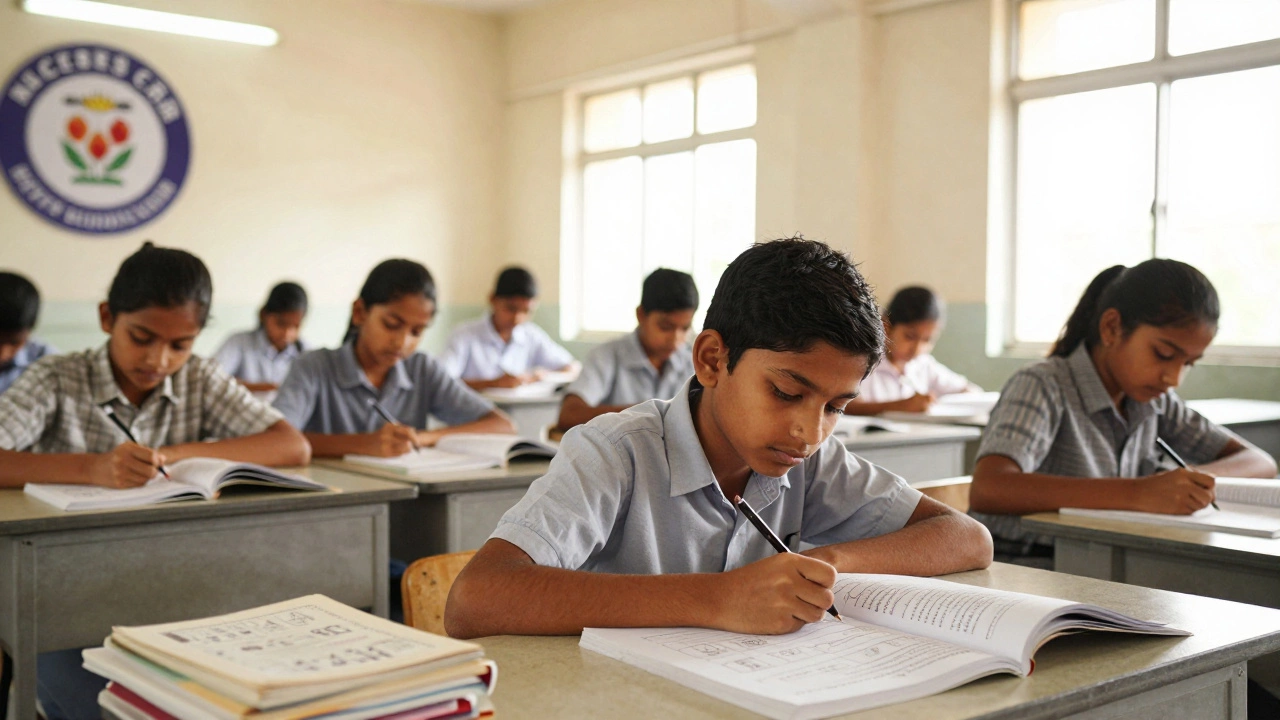
What is the easiest board in India? CBSE vs ICSE vs State Boards Explained
CBSE is widely considered the easiest board in India due to its clear syllabus, NCERT-based exams, and alignment with competitive exams like JEE and NEET. Learn why it beats ICSE and state boards for most students.

Which Are the Two Toughest School Boards in India?
ICSE and ISC are widely regarded as the two toughest school boards in India due to their in-depth syllabi, emphasis on English, and analytical exam patterns. Unlike CBSE, they demand critical thinking over rote learning.

Which Is the Hardest School Syllabus in the World? CBSE vs. ICSE, IB, and Other Global Systems
The CBSE syllabus, especially when paired with IIT JEE prep, is one of the most demanding school curricula globally due to its intense content, high-pressure exams, and societal expectations. Here's how it compares to ICSE, IB, and the Gaokao.
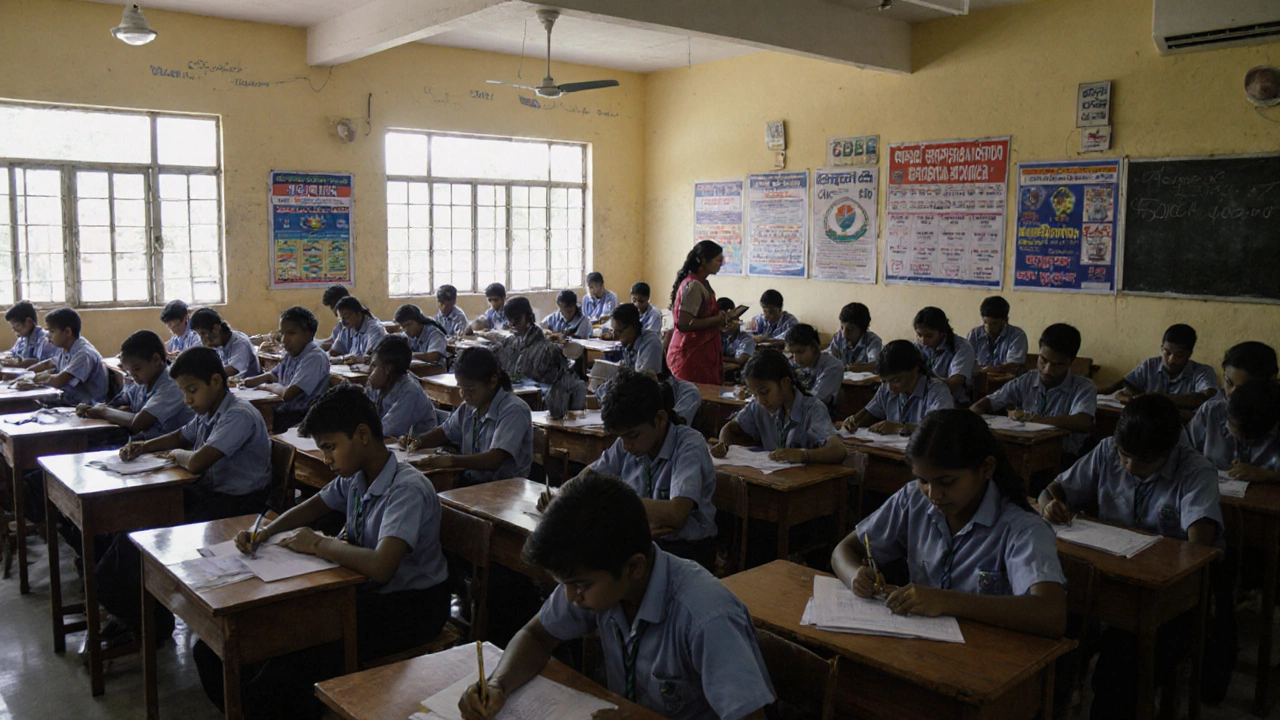
How Many Students Are There in CBSE Board in India?
CBSE serves over 2.5 crore students in India and abroad, making it the largest school board in the country. Learn why enrollment is growing, how it compares to other boards, and what’s changing in 2025.
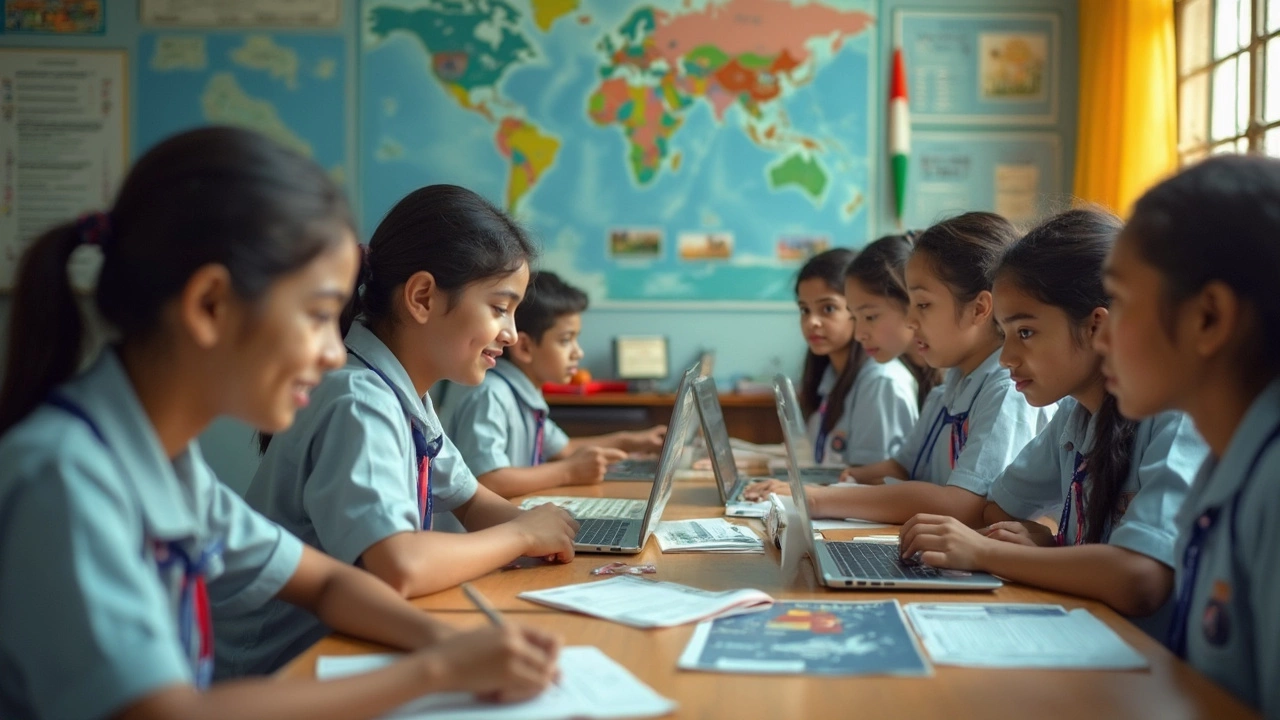
Does Harvard Accept CBSE? What Indian Applicants Should Know
Curious if your CBSE marks will get you into Harvard? This article breaks down whether Harvard accepts CBSE results, what Indian students need to know about the application process, and how CBSE compares to other high school qualifications. Get real-world tips and insights to give your Ivy League dream the best shot possible.
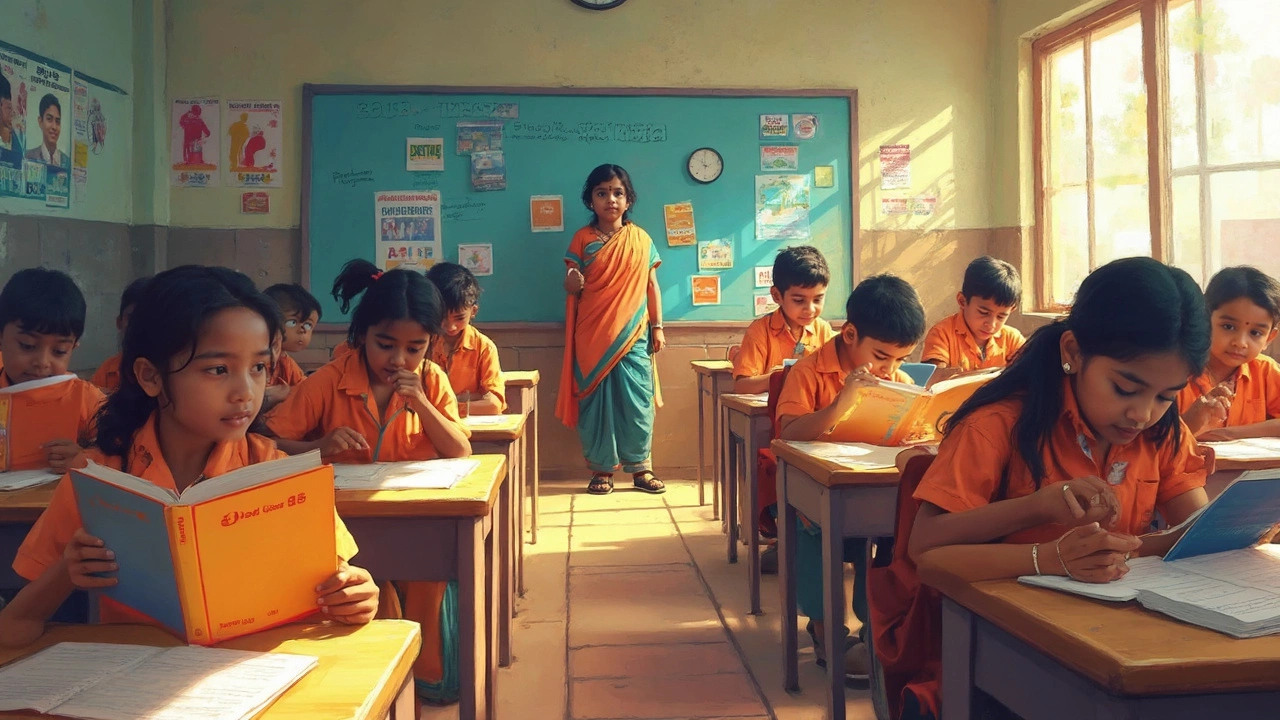
CBSE Syllabus: Why So Many Parents Prefer It?
This article breaks down why the CBSE syllabus stands out as the top pick for students and parents across India. You’ll discover what sets CBSE apart from other educational boards, including its practical focus, national recognition, exam style, and future opportunities. Real-life tips and facts make the reasons easy to understand. See how CBSE makes a difference in both classroom comfort and big exam readiness. If you're deciding on an educational path, this read gives you the facts without the fluff.

Why Study in USA Instead of India? CBSE Students' Guide
Deciding between studying in the USA or sticking with India is a huge deal for CBSE students. This article breaks down real advantages the USA offers over Indian colleges, especially for those following the CBSE path. From better research facilities and flexible subject choices to an active campus life, it shows how American universities shape students for the real world. Expect practical tips to navigate admissions and bust a few myths along the way. This isn’t just hype — you’ll find facts, honest advice, and what to really expect when making such a big move.
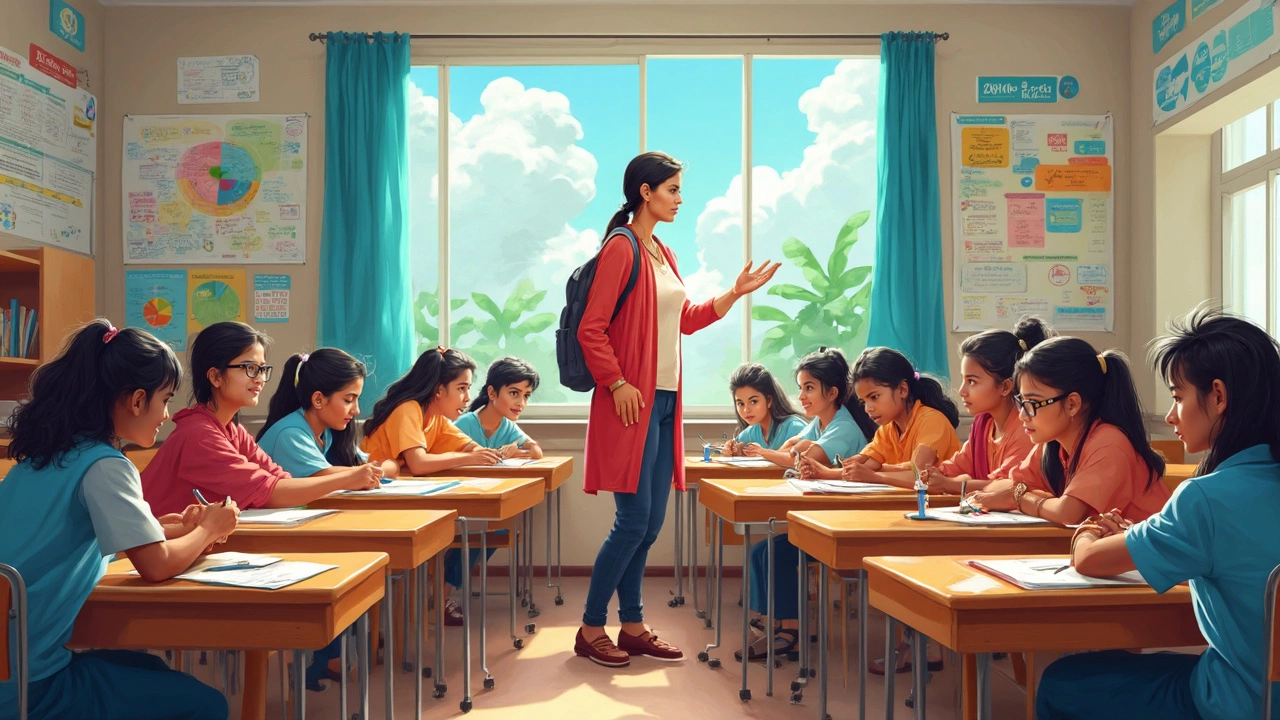
Understanding the 12th Class Degree in India
In India, completing the 12th class is a significant educational milestone, commonly referred to as a Senior Secondary Certificate. This certification opens doors to higher education and various career opportunities. It's crucial to understand how it's structured under the CBSE syllabus and its recognition compared to other educational boards. Knowing the pathways available post-certification can guide students and parents in planning future academic pursuits.