CBSE Syllabus: What It Is, How It Works, and What Students Really Need to Know
When we talk about the CBSE syllabus, the standardized curriculum set by the Central Board of Secondary Education for schools across India and abroad. Also known as the Central Board of Secondary Education curriculum, it’s the backbone of education for over 2.5 crore students, making it the largest school board in the country. This isn’t just a list of topics—it’s a system that shapes how kids learn, how exams are designed, and what skills get prioritized from Class 1 all the way to Class 12.
The CBSE board, the government-regulated body responsible for setting academic standards for affiliated schools in India designs its syllabus with one goal: consistency. Whether you’re in Delhi or Dubai, the same textbooks, same exam pattern, and same weightage for subjects like Physics, Chemistry, and Biology apply. That uniformity is why so many families choose CBSE—it makes moving between cities easier, and it aligns closely with national competitive exams like JEE and NEET. But it’s not without trade-offs. Compared to the American syllabus, a more flexible, project-based curriculum common in U.S. schools that emphasizes critical thinking over rote memorization, CBSE leans heavily on structure. That means less room for creativity in the classroom, but more clarity in what’s expected on exam day.
What makes the CBSE syllabus stand out isn’t just its reach—it’s how it connects to real outcomes. Students who follow this curriculum are often better prepared for engineering and medical entrance exams because the syllabus mirrors the depth and focus of JEE and NEET. Biology and Chemistry chapters are chosen not just for their academic value, but because they directly map to the questions you’ll see on those exams. Even the shift toward more application-based questions in recent years reflects this alignment. Meanwhile, the CBSE enrollment, the growing number of students registered under the CBSE board across India and overseas keeps rising—not because it’s the easiest, but because it’s the most predictable. Parents know what they’re signing up for. Teachers know how to prepare. And students know exactly what to study.
You’ll find posts here that break down how CBSE stacks up against other systems, what’s changing in 2025, and why so many students end up here—even if they didn’t start here. We’ll show you the real numbers behind enrollment, the hidden pressures of the syllabus, and how to make the most of it whether you’re a student, parent, or teacher. No fluff. Just what you need to understand the system that educates nearly half of India’s school-going population.
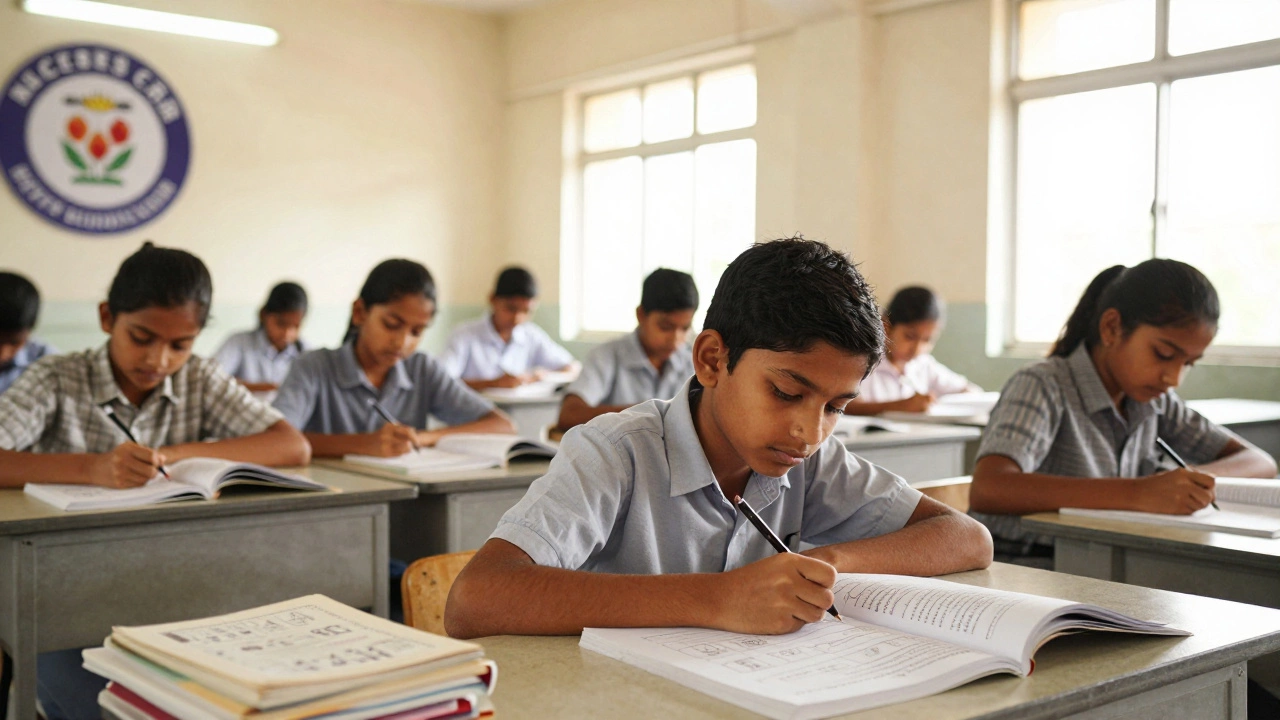
What is the easiest board in India? CBSE vs ICSE vs State Boards Explained
CBSE is widely considered the easiest board in India due to its clear syllabus, NCERT-based exams, and alignment with competitive exams like JEE and NEET. Learn why it beats ICSE and state boards for most students.

Which Are the Two Toughest School Boards in India?
ICSE and ISC are widely regarded as the two toughest school boards in India due to their in-depth syllabi, emphasis on English, and analytical exam patterns. Unlike CBSE, they demand critical thinking over rote learning.

Which Is the Hardest School Syllabus in the World? CBSE vs. ICSE, IB, and Other Global Systems
The CBSE syllabus, especially when paired with IIT JEE prep, is one of the most demanding school curricula globally due to its intense content, high-pressure exams, and societal expectations. Here's how it compares to ICSE, IB, and the Gaokao.
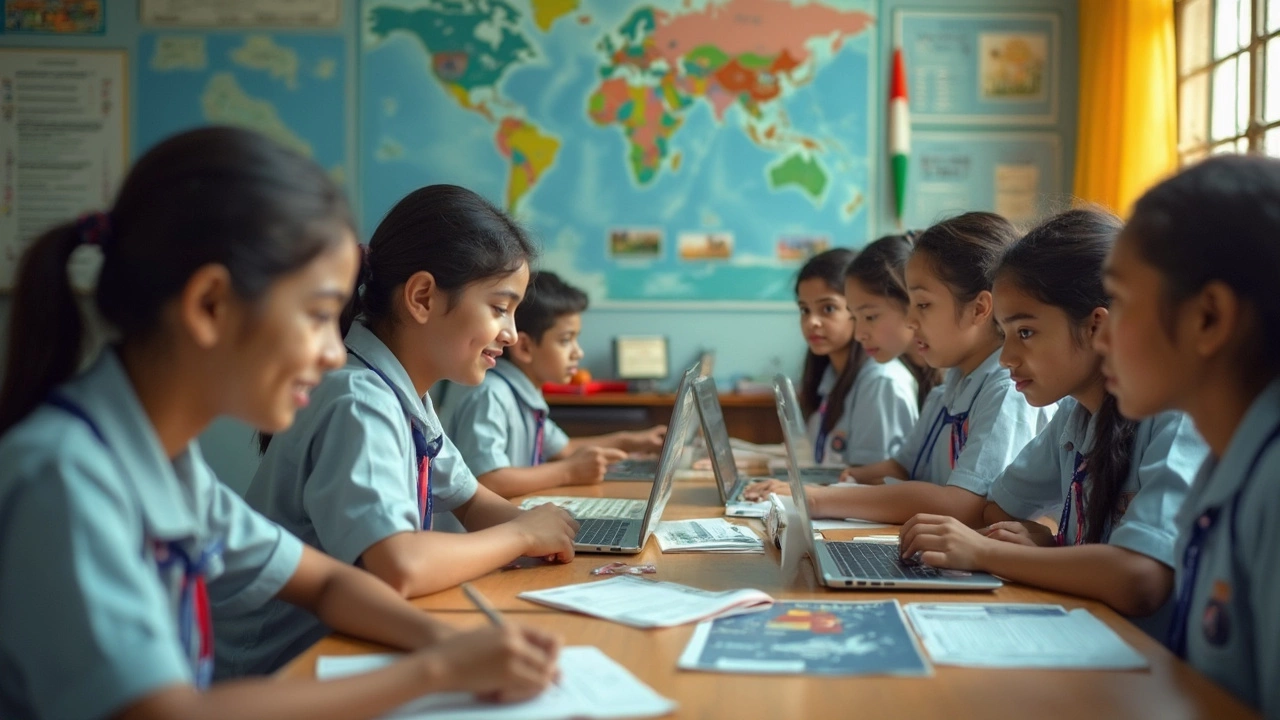
Does Harvard Accept CBSE? What Indian Applicants Should Know
Curious if your CBSE marks will get you into Harvard? This article breaks down whether Harvard accepts CBSE results, what Indian students need to know about the application process, and how CBSE compares to other high school qualifications. Get real-world tips and insights to give your Ivy League dream the best shot possible.

Why Study in USA Instead of India? CBSE Students' Guide
Deciding between studying in the USA or sticking with India is a huge deal for CBSE students. This article breaks down real advantages the USA offers over Indian colleges, especially for those following the CBSE path. From better research facilities and flexible subject choices to an active campus life, it shows how American universities shape students for the real world. Expect practical tips to navigate admissions and bust a few myths along the way. This isn’t just hype — you’ll find facts, honest advice, and what to really expect when making such a big move.
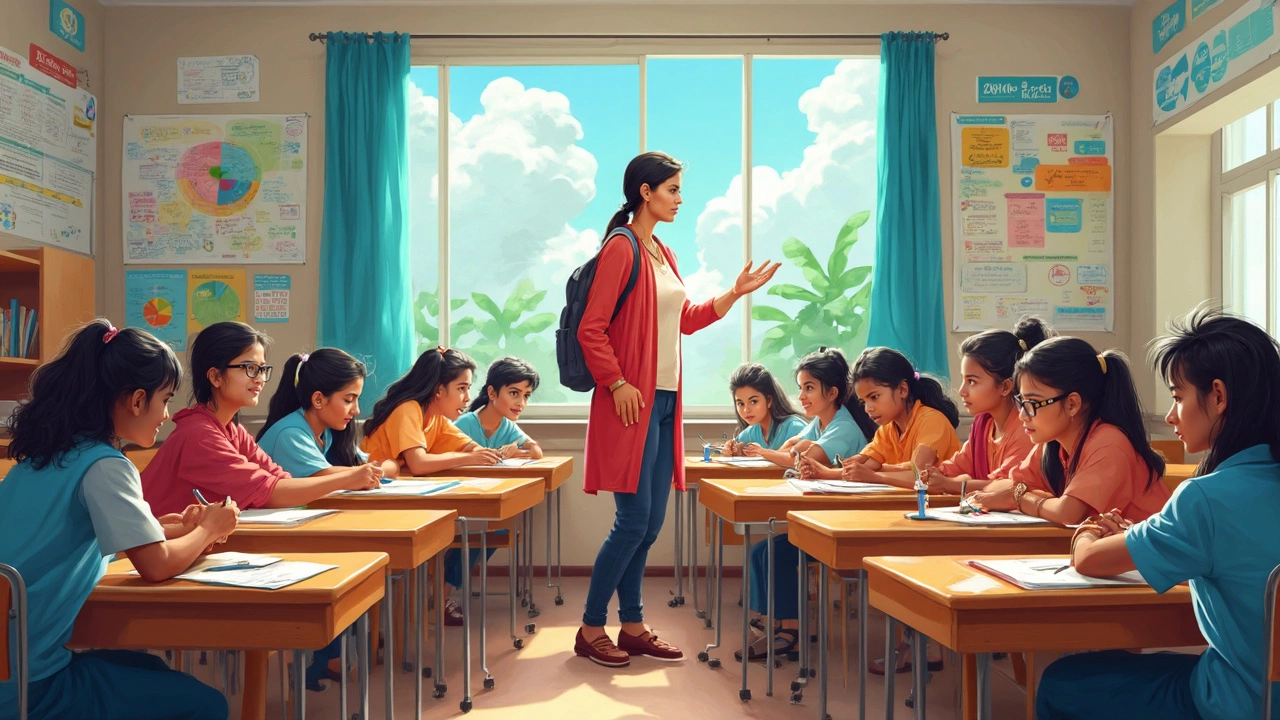
Understanding the 12th Class Degree in India
In India, completing the 12th class is a significant educational milestone, commonly referred to as a Senior Secondary Certificate. This certification opens doors to higher education and various career opportunities. It's crucial to understand how it's structured under the CBSE syllabus and its recognition compared to other educational boards. Knowing the pathways available post-certification can guide students and parents in planning future academic pursuits.